
PHENOXYETHANOL
- CAS
- 122-99-6
- EC
- 2045897
- PubChem CID
- 31236
- Molecular Formula
- C8H10O2
- Molecular Weight
- 138.1600 g/mol
2-Phenoxyethanol
What does it do?
Used as a preservative in the product.
Details
2-Phenoxyethanol

Phenoxyethanol: Preservative or Irritant?
Phenoxyethanol is a preservative you often see on cosmetic labels. It keeps microbes from growing in creams, shampoos and wet wipes. It exists in nature, but cosmetics use the synthetic version.
Read the full guide →Function & Use
Preservative
Regulatory note
- EU 1223/2009 Annex VAllowed
Maximum concentration: 1%
What The Sources Say
SCCS (EU Scientific Committee on Consumer Safety)2
EU 1223/2009 Annex V - SCCS opinion: Opinion concerning Restrictions on Materials listed in annex VI of Directive 76/768/EEC on Cosmetic Products
EU 1223/2009 Annex V - SCCS opinion: OPINION ON Phenoxyethanol
CIR (Cosmetic Ingredient Review)1
Details on the dermal sensitization studies summarized below can be found in Table 4. An eyelash product containing 0.018% Ethyl Tafluprostamide (n = 51; tested neat) and 7.5% Ethyl Tafluprostamide in phenoxyethanol (n = 54) were considered to be non-sensitizing in human repeat insult patch tests (HRIPTs).4 HRIPTs were also performed using eyelash serums containing Isopropyl Cloprostenate (0.0044% and 0.005%; tested neat; n = 50-56).14-17 The majority of assays were performed under semi-occlusive conditions. The serums tested were considered to be non- irritating and non-sensitizing in all assays.
ToxValDB (EPA Toxicity Value Database)11
EPA ToxValDB skin/eye data - endpoint: Eye Irritation, classification: Category 2. Caveat: this is an aggregated record; dose, species and route of exposure must be considered together.
EPA ToxValDB skin/eye data - endpoint: Skin Irritation, classification: Not classified. Caveat: this is an aggregated record; dose, species and route of exposure must be considered together.
EPA ToxValDB skin/eye data - endpoint: Skin Sensitization, classification: Not classified. Caveat: this is an aggregated record; dose, species and route of exposure must be considered together.
EPA ToxValDB skin/eye data - endpoint: eye irritation: in vivo, classification: Severe Irritation, species: rabbit, study: eye irritation, guideline: OECD Guideline 405 (Acute Eye Irritation / Corrosion) according to, year: 1983. Caveat: this is an aggregated record; dose, species and route of exposure must be considered together.
EPA ToxValDB skin/eye data - endpoint: skin irritation: in vivo, classification: Studies Indicate No Significant Irritation, species: rabbit, study: skin irritation, guideline: OECD Guideline 404 (Acute Dermal Irritation / Corrosion) according to, year: 1983. Caveat: this is an aggregated record; dose, species and route of exposure must be considered together.
+6 more records.
EPA ToxCast (high-throughput in vitro screening)1
EPA ToxCast ER model: NO estrogen receptor activity found (AUC agonist=0, antagonist=0). Tested in 18 in vitro assays. Caveat: this is an in vitro screening model with no dose or exposure context; it does NOT mean an effect occurs in humans at cosmetic use levels.
Scientific References
- CIR - Safety Assessment of Ethyl Tafluprostamide andCosmetic Ingredient Review (CIR), Personal Care Products Council(2022)
- OPINION ON PhenoxyethanolSCCS - Scientific Committee on Consumer Safety
- Opinion concerning Restrictions on Materials listed in annex VI of Directive 76/768/EEC on Cosmetic ProductsSCCS - Scientific Committee on Consumer Safety
Products Containing This Ingredient

Simple Simple Kind To Skin Su Bazlı Nemlendirici 125 ml

Pastel Pastel Profashion Cream Blush Krem Allık No: 53

Pastel Pastel Profashion Cream Blush Krem Allık No: 52

Benri Benri Argan Yağlı Yoğun Nemlendirici El & Vücut Kremi 500 ml

Janssen Cosmetics Janssen Cosmetics Yaşlılık Lekeleri Karşıtı Serum 30 ml

The Bath Factory The Bath Factory Nemlendirici ve Besleyici Duş Jeli Endless Ocean 400 ml

Lip Smacker Lip Smacker Dudak Kremi Pamuk Prenses

Cire Aseptine Cire Aseptine Soft Çilek Prebiyotikli Krem 30 ml

Lip Smacker Lip Smacker Dudak Kremi Elsa

Pastel Pastel Profashion Cream Blush Krem Allık No: 51

The Bath Factory The Bath Factory Nemlendirici ve Besleyici Duş Jeli Banana Split 400 ml

Maruderm Maruderm Hyalüronik Asit Nemlendirici Yüz ve Vücut Cilt Bakım Kremi 200 ml

Dermokil Dermokil Pirinç Özlü Beyazlatıcı Kil Yüz Maskesi 50 ml

Astra Astra InstaLength Uzunluk Veren Maskara

Janssen Cosmetics Janssen Cosmetics Kolajen ve Elastin Sentez C Vitamini Kremi 50 ml

Pastel Pastel Profashion Cream Blush Krem Allık No: 54

Golden Rose Golden Rose Total Cover 2in1 Foundation & Concealer 03

Nivea Nivea Super10 Serum Etkili Aydınlatıcı ve Nemlendirici Vücut Losyonu 170 ml
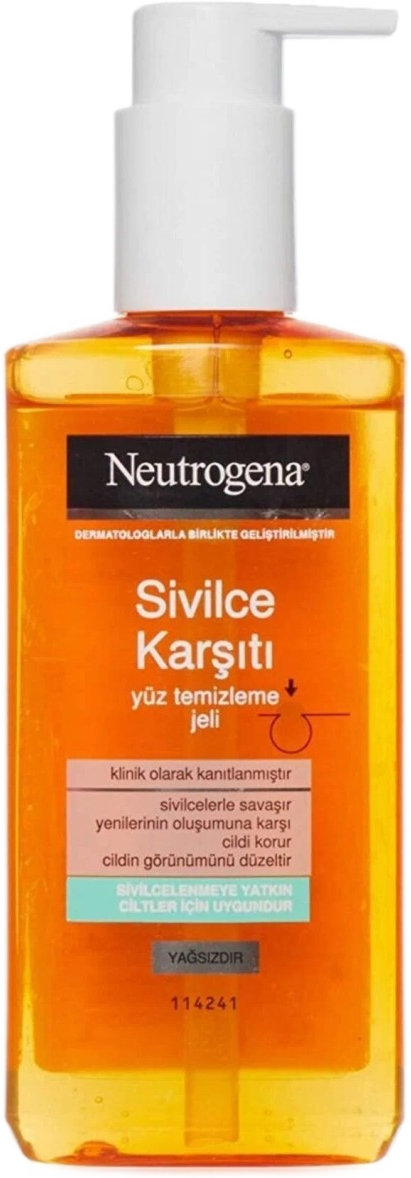
Neutrogena Karşıtı Yüz Temizleme Jeli 200 ml
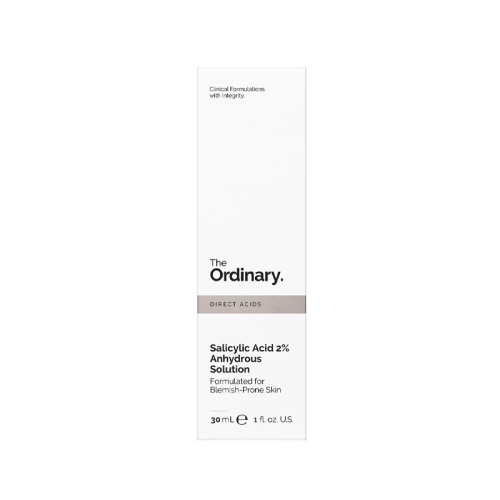
The Ordinary Salicylic Acid 2% Anhydrous Solution - Salisilik Asit Serum
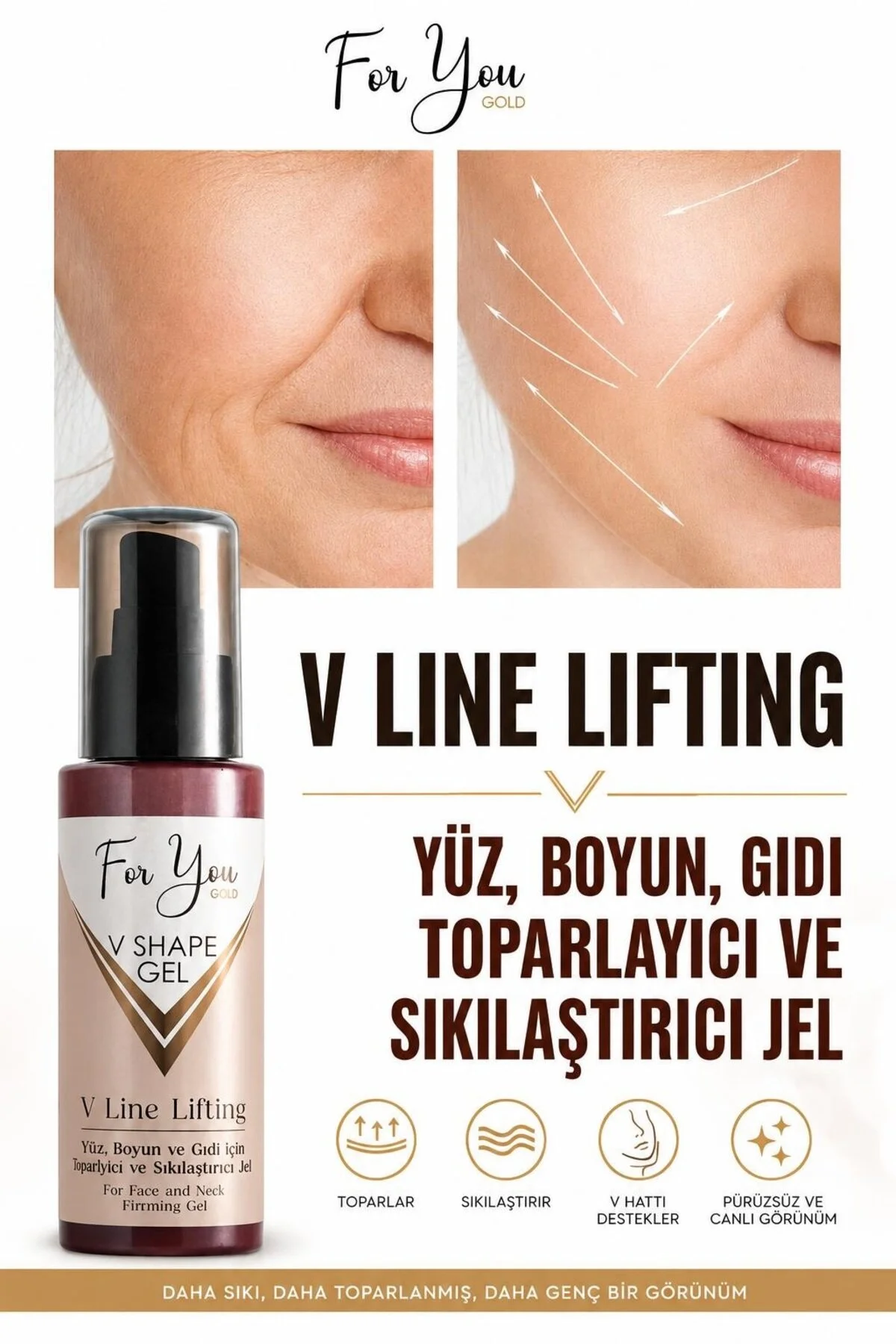
For You Gold Yüz, Boyun, Çene Ve Gıdı Için Incelmeye Yardımcı, Sıkılaştırıcı Ve Şekillendirici Slim Jel
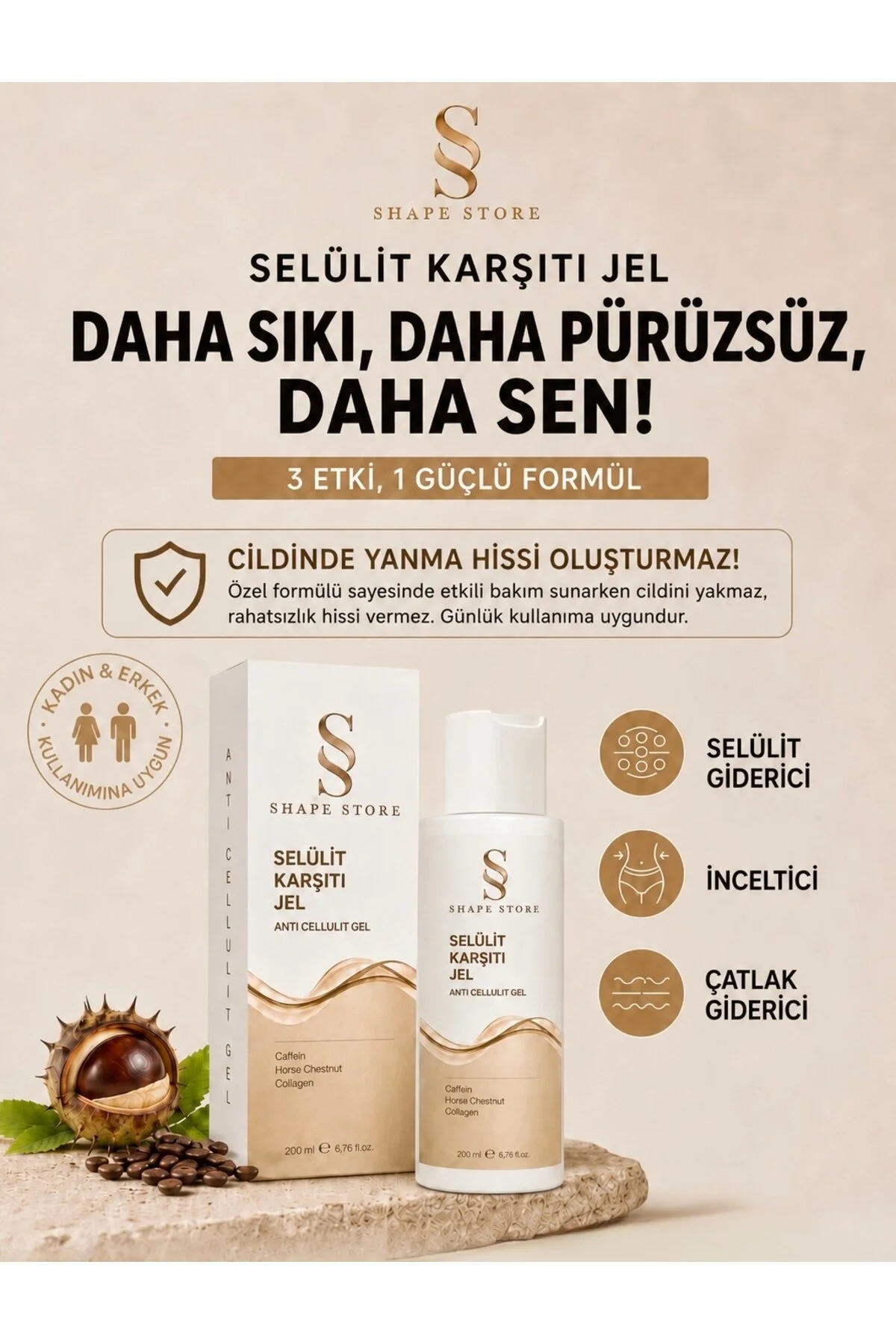
SHAPE STORE Sıkılaştırıcı , Anti Selülit ve Çatlak giderici bölgesel Vucut Jel 200ml
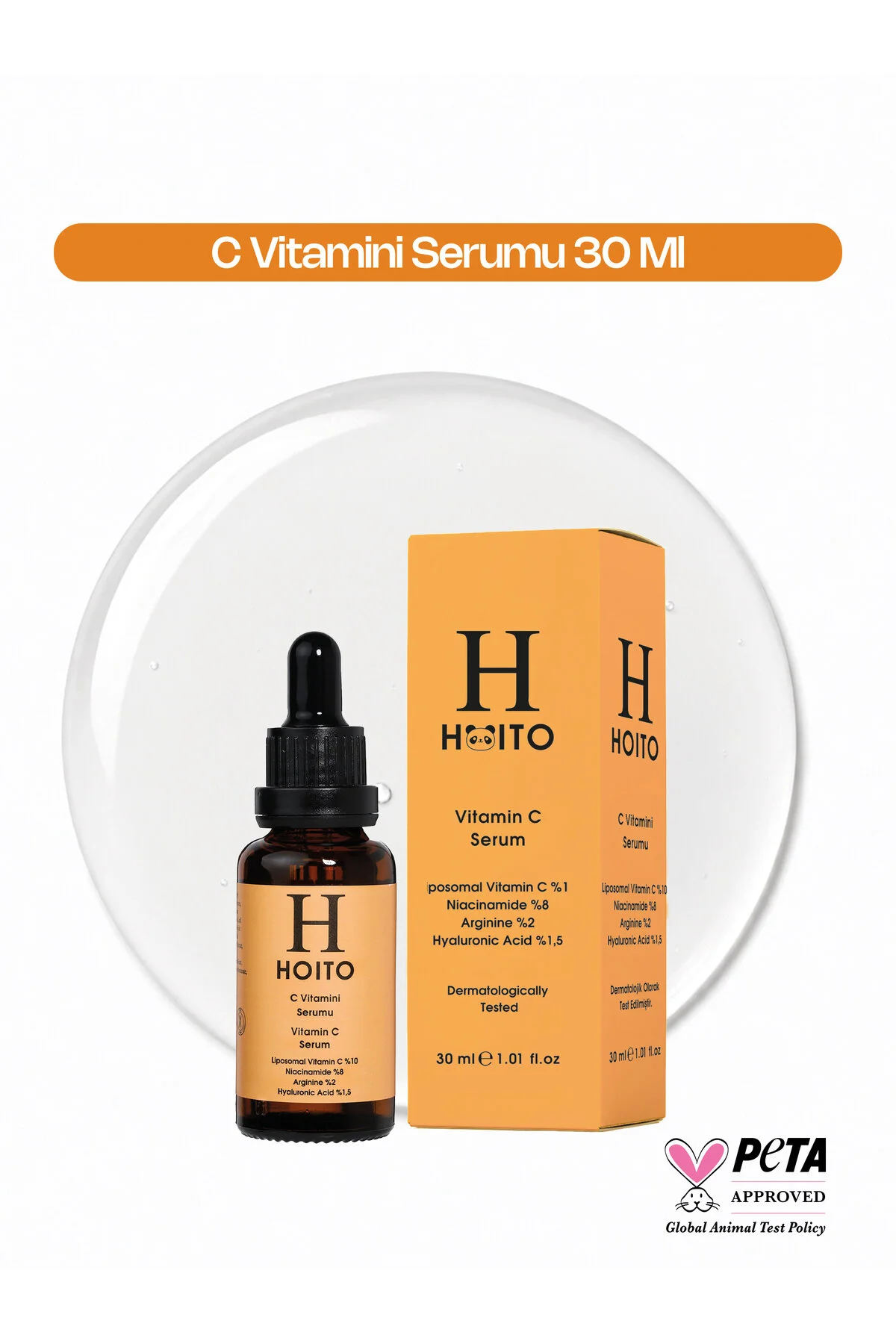
Hoito C Vitamini Serumu 30 ml - Liposomal Vitamin C %10 - Ton Eşitleyici Ve Aydınlatıcı Canlandırıcı Bakım
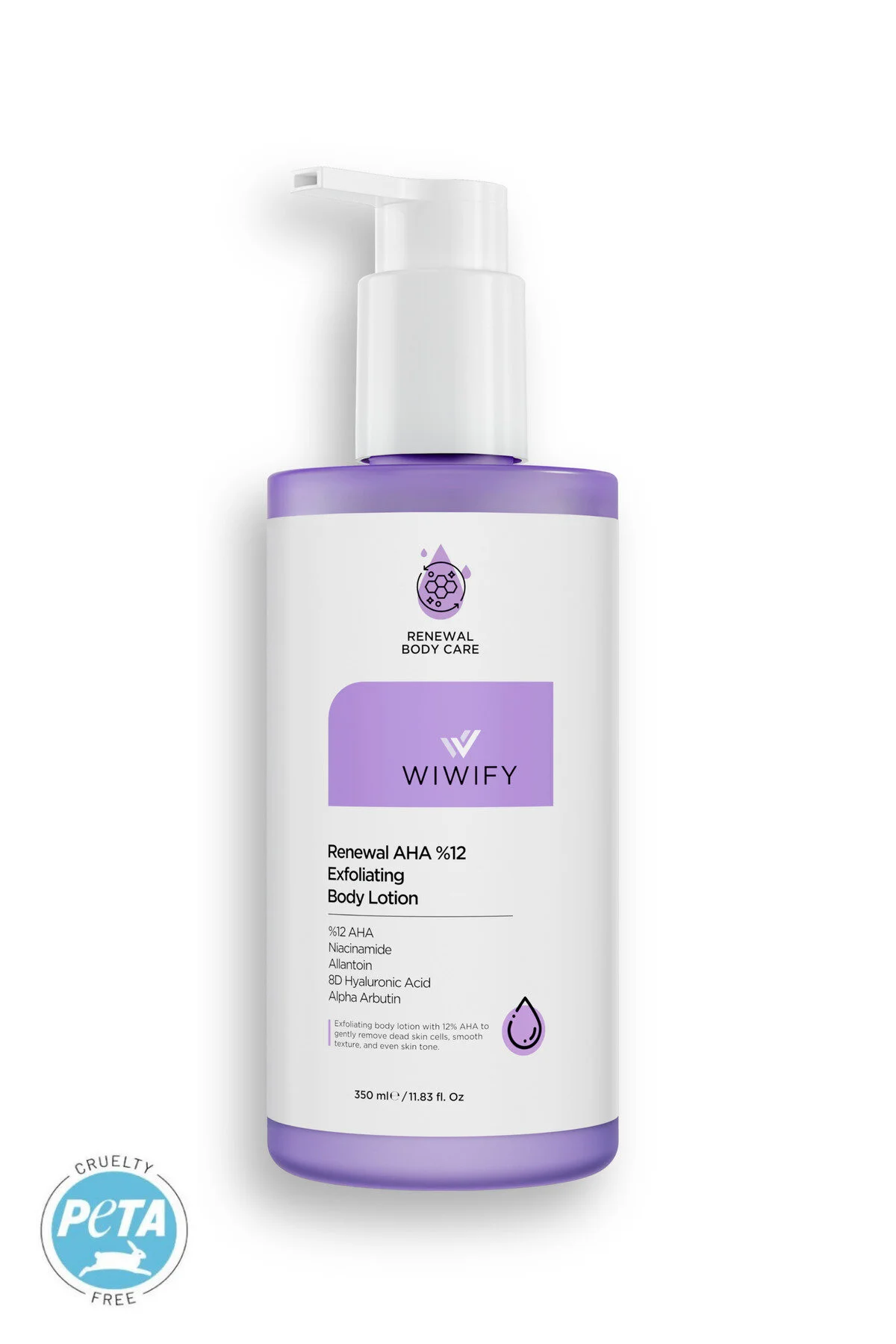
WIWIFY Renewal AHA %12 Derinlemesine Arındırıcı, Nem Destekli Vücut Losyonu |%12 AHA, Niacinamide, Arbutin