
CAPRYLIC/CAPRIC TRIGLYCERIDE
- CAS
- 73398-61-5
Decanoic acid, ester with 1,2,3-propanetriol octanoate; Glycerides, mixed decanoyl and octanoyl
What does it do?
Triglyceride mixture used as a carrier in products.
Details
Decanoic acid, ester with 1,2,3-propanetriol octanoate; Glycerides, mixed decanoyl and octanoyl

The Light Oil in Your Cosmetics: Caprylic/Capric Triglyceride
You saw Caprylic/Capric Triglyceride on a moisturizer label. It sounds like a lab term, but this ingredient is largely responsible for that light, non-sticky softness on your skin. We explain what it is, why it appears in so many products, and what safety tests say.
Read the full guide →Function & Use
Skin Conditioning
Perfuming
Masking
What The Sources Say
CIR (Cosmetic Ingredient Review)15
Trihydroxystearin was not irritating to the skin of albino rabbits in 24-hour occlusive patch tests.1 In 48-hour occlusive patch tests, Trihydroxystearin did not induce skin irritation in any of the 103 subjects tested. Triisostearin and a 20% solution of Tribehenin in liquid paraffin were, at most, mildly irritating when applied to the skin of rabbits.4 However, Trioctanoin and an eyeliner containing 36.3% Trilaurin did not induce cutaneous irritation in rabbits. Neither Tribehenin nor Trioctanoin induced sensitization in the Magnusson-Kligman guinea pig maximization test. Triisostearin did not induce significant cutaneous reactions in a study evaluating the phototoxicity and photoallergenicity potential of this ingredient in guinea pigs. An eyeliner containing 36.3% Trilaurin did not induce skin irritation reactions in test subjects.4 Trioctanoin itself did not induce skin irritation. A lip enhancer cream containing 0.38% Tribehenin was not comedogenic and did not induce clinically significant skin irritation in any of the subjects evaluated in a 28-day test. Repeated insult patch test (RIPT) results (occlusive patches) for the following products were negative: eye enhancer cream containing 0.32% Tribehenin (198 subjects), hand cream containing 0.38% Tribehenin (at least 200 subjects), lip cream containing 0.38% Tribehenin (at least 200 subjects), and an eye defining pencil containing 1.68% Tristearin. None of these products induced clinically significant irritant or allergic contact dermatitis. In a skin sensitization test involving 91 subjects, there was no evidence of delayed contact hypersensitivity after repeated applications (occlusive patches) of an eyebrow pencil containing 40% Trilaurin. Also, reportedly, Trioctanoin did not induce sensitization in a contact allergy test. Undiluted Caprylic/Capric Triglyceride was not irritating to rabbit skin in primary skin irritation tests.5 Slight to moderate … [kırpıldı - bölüm toplam 4039 karakter]
Acute Toxicity Studies In acute oral toxicity studies in which Trihydroxystearin was tested using albino rats, the LD 50 was not achieved at a dose of 5 g/kg and no deaths were reported. 1 Acute oral LD 50 values range from 5 g/kg in mice (Tribehenin) to > 20 g/kg in rats (Tristearin).4 In other acute oral toxicity studies, Trioctanoin was not toxic following oral administration to male mice at a dose of 50 ml/kg, and Triisostearin did not induce toxicity in rats at a dose of 2 g/kg. Acute oral LD 50 values for Caprylic/Capric Triglyceride were > 25 ml/kg in mice and >5 g/kg in rats.5 Male rats and guinea pigs in groups of ten each were exposed for 6 h in a 40 L chamber containing an aerosol of Caprylic/Capric Triglyceride at a nominal concentration of 28.1 µl/l of air. The fraction of the aerosol with particles small enough to be inhaled into the lung, i.e., with a diameter of 5 µm or less, represented 1.97 µl/l of the test substance. No adverse effects were observed. The acute dermal and oral toxicity studies summarized below are described in Table 10. The dermal LD 50 in rats was >2 g/kg (the highest dose tested) for both Triheptanoin28 and Tristearin.29 The oral LD 50 was >2 g/kg for Triisostearin in mice and rats,30 >2 g/kg Triolein in mice,31 >5 g/kg Triheptanoin in mice, and >48 g/kg Triethylhex- anoin32 in rats. The oral LD 50 of an MLCT oil was >5 g/kg in rats.13 Distributed for comment only -- do not cite or quote Short-Term Toxicity Studies The short-term oral administration of Trilaurin, Tristearin, or Triolein to weanling rats did not result in gross or microscopic lesions.4 However, in another short-term study, significant differences in hematological and clinical chemistry parameters as well as organ weights were noted after administration of Tricaprylin to male and female Wistar rats. … [kırpıldı - bölüm toplam 9487 karakter]
Definition and Structure The definitions and structures of the ingredients included in this triglyceride group are provided in Table 2, and are presented in order of increasing chain length, subdivided by chain type. (Toxicity data are presented following this order.). Each of the ingredients in this report is a triglyceride; triglycerides are the fatty acid triesters of glycerin. Subsequently, each of the ingredient structures in this report contains a glycerin core, tri-substituted with fatty acid residues. Figure 1. Triglycerides, wherein each “RC(O)-“ is a fatty acid residue For example, Tricaprylin is the triester of caprylic acids with glycerin. Figure 2. Tricaprylin (the triester of caprylic acids with glycerin) Medium- and Long-Chain Triglycerides Medium chain triglycerides (MCTs) are a unique class of lipids composed mainly of caprylic (C 8 ; 50-80%) and capric fatty acids (C 10 ; 20-50%) with a minor level of caproic (C 6 ; 1-2%) and lauric (C 12 ; 1-2%) fatty acids.11,12 They are derived from common edible oils rich in free medium-chain fatty acids such as coconut or palm oil. Compositional analysis indicates that the fatty acids present are the type commonly found in other edible oils. MCTs have only saturated fatty acids.13 Long-chain triglycerides (LCT) can have both saturated and unsaturated fatty acids with a chain length greater than 12 carbons. Distributed for comment only -- do not cite or quote Medium- and long-chain triacylglycerol (MLCT)-oil is composed of a glycerol backbone with randomly bound medium- and long-chain fatty acids that are randomly attached via a food-grade lipase.14 Six configurations are possible: L-L-L (L; long- chain fatty acid; 49.5-52.7%); L-L-M (M; medium-chain fatty acid) or L-M-L (37.3-39.6%); L-M-M or M-L-M (8.6-9.3%); M-M-M (0.1-0.2%). The typical fatty acid composition of MLCT-oil is presented in Table 4. The approximate fatty acid … [kırpıldı - bölüm toplam 17179 karakter]
In Vitro Ames test results indicated that Trihydroxystearin was not mutagenic to the following Salmonella typhimurium strains, with or without metabolic activation, when tested at concentrations ranging from 3 to 1000 µg/plate: TA1535, TA1537, TA1538, TA98, and TA100.1 In the Ames test, Tricaprylin was mutagenic in one of four S. typhimurium strains tested.4 Negative test results were reported for Trilaurin in the following assays: dominant lethal test, host-mediated mitotic gene conversion assay, chromosomal aberrations assay, micronucleus test, sister chromatid exchange (SCE) assay, spot test for gene mutations, and cytogenetic assay for clastogenic activity. In the Ames test, Trilaurin, Trioctanoin, Triolein, Tristearin, and Triisostearin were not mutagenic in S. typhimurium strains. However, Trioctanoin was mutagenic in the spot test for gene mutations. In other tests, no clastogenic activity was noted when Trioctanoin was tested in a cytogenetics assay and results were negative in a sister chromatid exchanges mutagenicity assay. The genotoxicity studies summarized below are described in Table 12. Tristearin (5000 µg/plate)29 and Tricaprylin (concentration not stated)32 were not mutagenic in the Ames test, Triethyl- hexanoin was not genotoxic in an Ames test (50-5000 µg/plate) or a mammalian chromosomal aberration assay (7.5-4000 µg/ml),25 and Triisonanoin was not genotoxic in an Ames test (50-5000 µg/plate), chromosomal aberration assay (10-320 µg/ml), or a mammalian cell gene mutation assay (5-80 µg/ml).40 A lipid emulsion that comprises a mixture of soybean oil, MCT, olive oil, and fish oil (test concentrations not provided) was not genotoxic in an Ames test, a chromosomal aberration assay, or a hypoxanthine phosphoribosyl transferase (HPRT) gene mutation assay.27 In vivo, the emulsion was not genotoxic in a bone marrow cytogenic study in rats.
Trihydroxystearin was classified as a mild, transient ocular irritant in albino rabbits.1 An eye enhancer cream containing 0.32% Tribehenin and a hand cream containing 0.38% Tribehenin were classified as non- irritants in an in vitro chorioallantoic membrane vascular assay for determining the ocular irritation potential of chemicals.4 An eyeliner containing 36.3% Trilaurin and a 20% solution of Tribehenin in liquid paraffin were, at most, mildly irritating to the eyes of rabbits. Trioctanoin and Triisostearin did not induce ocular irritation in rabbits. An eye enhancer cream containing 0.32% Tribehenin induced reactions ranging from mild to moderate ocular irritation in a group of 20 subjects, which resolved to either mild irritation or no irritation reactions at 2 hours post exposure.4 In a clinical in-use safety test of two eye enhancer creams containing 0.32% Tribehenin, neither ocular irritation nor clinically relevant alterations in visual acuity were observed after 4 consecutive weeks of daily product use. Similar results were reported after testing of another eye enhancer cream containing 0.32% Tribehenin and an eye defining pencil containing 1.68% Tristearin in separate studies according to the same procedure. All of the subjects tested in these studies were contact lens wearers. Caprylic/Capric Triglyceride was non-irritating, to at most very mildly irritating, to rabbit eyes.5 The ocular irritation studies summarized below are described in Table 14. Undiluted Triheptanoin,28 Tristearin,29 Caprylic/Capric Triglyceride,36 and C8-12 Acid Triglyceride,36 as well as Triisostearin at an unspecified concentration,30 were not irritating in rabbit eyes. Triisononanoin was predicted to be non-irritating in an in vitro eye irritation test using the SkinEthic™ reconstructed model.40 Distributed for comment only -- do not cite or quote
+10 more records.
ToxValDB (EPA Toxicity Value Database)3
EPA ToxValDB skin/eye data - endpoint: skin irritation: in vivo, classification: Studies Indicate No Significant Irritation, species: rabbit, study: skin irritation, guideline: EPA OPP 81-5 (Acute Dermal Irritation) according to, year: 1988. Caveat: this is an aggregated record; dose, species and route of exposure must be considered together.
EPA ToxValDB skin/eye data - endpoint: eye irritation: in vivo, classification: Studies Indicate No Significant Irritation, species: rabbit, study: eye irritation, guideline: EPA OPP 81-4 (Acute Eye Irritation) according to, year: 1988. Caveat: this is an aggregated record; dose, species and route of exposure must be considered together.
+1 more records.
Scientific References
- CIR - Amended Safety Assessment of TriglyceridesCosmetic Ingredient Review (CIR), Personal Care Products Council(2016)
Products Containing This Ingredient

Vaseline Vaseline Lip Therapy Dudak Bakım Kremi Cocoa Butter 4.8 gr

Pastel Pastel Profashion Cream Blush Krem Allık No: 53

The Purest Solutions The Purest Solutions Lekeli Ciltler İçin Cilt Tonu Eşitleyici BB Krem 50+SPF 40 ml (Orta-Koyu Ton)

Pastel Pastel Profashion Cream Blush Krem Allık No: 52

Vaseline Vaseline Lip Therapy Dudak Bakım Kremi Rosy Lips 4.8 gr

The Purest Solutions The Purest Solutions Yağlı ve Karma Ciltler İçin Matlaştırıcı BB Krem 50+SPF 40 ml (Orta-Koyu Ton)

The Purest Solutions The Purest Solutions Lekeli Ciltler İçin Cilt Tonu Eşitleyici BB Krem 50+SPF 40 ml (Açık-Orta Ton)

Janssen Cosmetics Janssen Cosmetics Yaşlılık Lekeleri Karşıtı Serum 30 ml

Vaseline Vaseline Lip Therapy Dudak Bakım Kremi Aloe Vera 4.8 gr

Nivea Nivea Men Derma Control Clinical Erkek Deodorant Sprey 150 ml

Vaseline Vaseline Lip Therapy Dudak Bakım Kremi Original 4.8 gr

Lip Smacker Lip Smacker Dudak Kremi Pamuk Prenses

Lip Smacker Lip Smacker Dudak Kremi Elsa

Pastel Pastel Profashion Cream Blush Krem Allık No: 51

Maruderm Maruderm Hyalüronik Asit Nemlendirici Yüz ve Vücut Cilt Bakım Kremi 200 ml

Pastel Pastel Profashion Cream Blush Krem Allık No: 54
The Ordinary Salicylic Acid 2% Anhydrous Solution - Salisilik Asit Serum
SVR Sun Secure Fluide Spf 50+ Güneş Kremi 50 ml
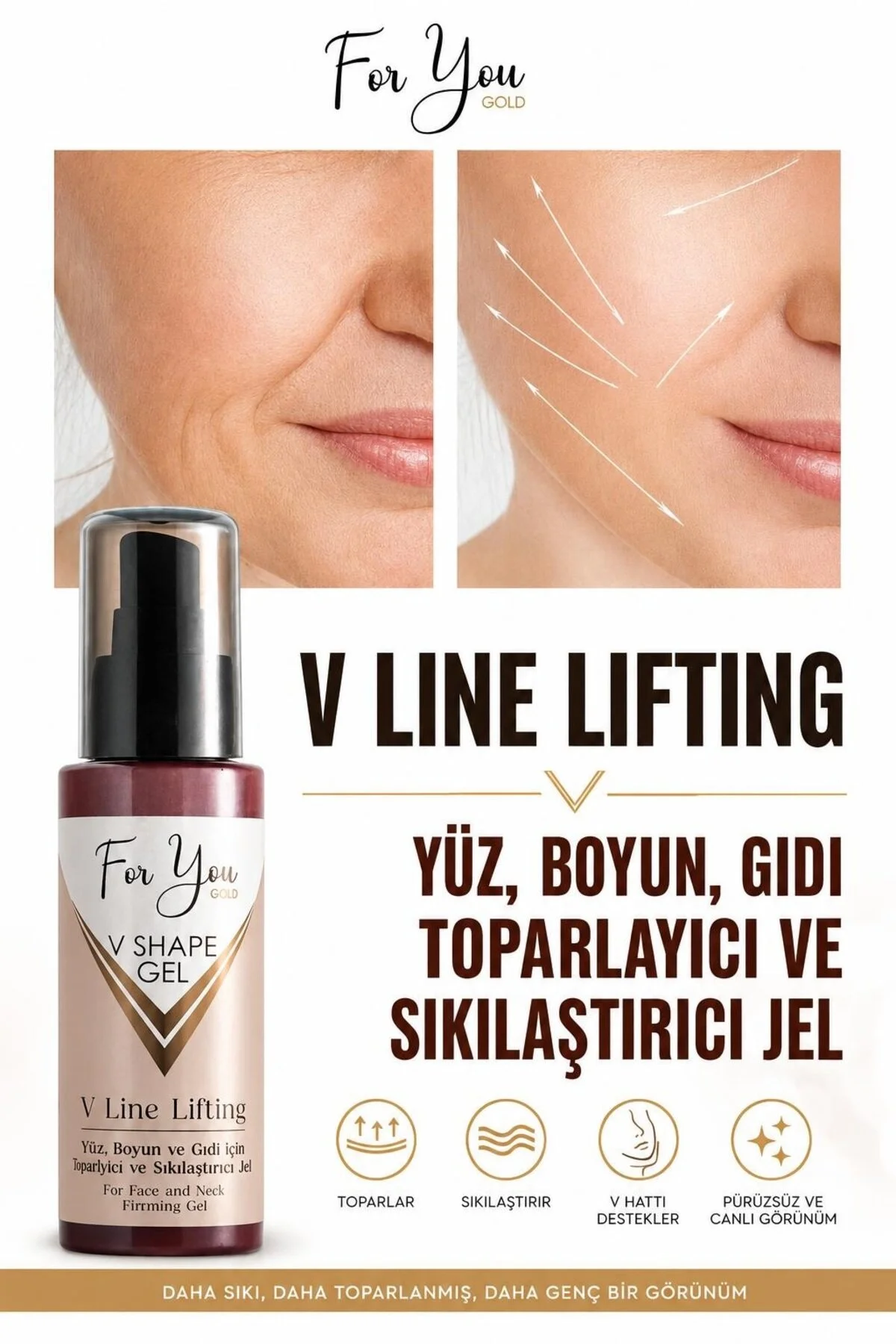
For You Gold Yüz, Boyun, Çene Ve Gıdı Için Incelmeye Yardımcı, Sıkılaştırıcı Ve Şekillendirici Slim Jel
mia klinika Spf 50+ İnce Çizgi Görünümü Azaltmaya Yardımcı, Pürüzsüzleştirici Yüz Güneş Kremi
Round Lab 1025 Dokdo Cleanser 150 ml – Nazik Temizleyici Köpük Yüz Yıkama Jel
WIWIFY Su Bazlı Yoğun Nemlendirici Yüz Kremi 100 ML X2 Adet
Maru.Derm Hydro Boost After Sun Spray | Güneş Sonrası Yoğun Nemlendirici ve Onarıcı Sprey 200 ML
Numbuzin No.9 Glow Boosting Toner – NAD+ & PDRN ile Yoğun Işıltı ve Sıkılaştırma