
TITANIUM DIOXIDE
- CAS
- 13463-67-7
- EC
- 2366755
- PubChem CID
- 26042
- Molecular Formula
- O2Ti
- Molecular Weight
- 79.8660 g/mol
Titanium dioxide (CI 77891)
What does it do?
Provides white color and blocks UV radiation.
Details
Titanium dioxide (CI 77891)

Titanium Dioxide: Why Is This White Powder So Talked About?
You may see titanium dioxide on your sunscreen or foundation label. This powder, which gives whiteness and protects from the sun, also shows up in headlines as a 'carcinogen'. Both are true; it depends on the conditions.
Read the full guide →Function & Use
Opacifying
UV Absorber
Skin-Conditioning Agent
UV Filter
Regulatory note
- EU 1223/2009 Annex IIIRestricted
- EU 1223/2009 Annex IVAllowed
- Purity criteria as set out in Commission Directive 95/45/E (E 171) - Titanium dioxide in powder form containing 1 % or more of particles with aerodynamic diameter ≤ 10 μm, to be used in compliance with Annex III, No 321 (For use as a UV filter, see Annex VI, No 27)
- EU 1223/2009 Annex VIAllowed
Maximum concentration: 25%
What The Sources Say
SCCS (EU Scientific Committee on Consumer Safety)3
EU 1223/2009 Annex VI - SCCS opinion: Opinion on Titanium Dioxide
EU 1223/2009 Annex III - SCCS opinion: Titanium dioxide (TiO2) used in cosmetic products that lead to exposure by inhalation.
EU 1223/2009 Annex VI - SCCS opinion: Titanium dioxide (TiO2) used in cosmetic products that lead to exposure by inhalation.
IARC (International Agency for Research on Cancer)1
IARC Grup 2B - İnsanlarda kanserojen olması mümkün. Limited evidence in humans and insufficient evidence in experimental animals (or vice versa). (Monograph volume: 47, 93). Sınır: IARC TEHLİKE sınıflandırması yapar, RİSK değil - 'bir koşulda kansere yol açabilir' der, 'kozmetikteki kullanım seviyesinde kanser yapar' DEMEZ. Maruziyet yolu ve dozu ayrıca değerlendirilmelidir. Data is a 01/2021 snapshot.
Europe PMC (scientific literature)1
Cited by 730. Titanium dioxide (TiO2) nanoparticles (NPs) are manufactured worldwide in large quantities for use in a wide range of applications. TiO2 NPs possess different physicochemical properties compared to their fine particle (FP) analogs, which might alter their bioactivity. Most of the literature cited here has focused on the respiratory system, showing the importance of inhalation as the primary route
ToxValDB (EPA Toxicity Value Database)9
EPA ToxValDB skin/eye data - endpoint: skin sensitisation: in vivo (LLNA), classification: Not likely to be sensitizing, species: mouse, study: skin sensitization, guideline: equivalent or similar to OECD Guideline 429 (Skin Sensitisation: Local Lymph Node Assay), year: 2006. Caveat: this is an aggregated record; dose, species and route of exposure must be considered together.
EPA ToxValDB skin/eye data - endpoint: skin sensitisation: in vivo (non-LLNA), classification: Not likely to be sensitizing, species: guinea pig, study: skin sensitization, guideline: according to OECD Guideline 406 (Skin Sensitisation) according to EU Method B.6 (Skin Sensitisation) according to EPA OPP 81-6 (Skin Sensitisation), year: 1994. Caveat: this is an aggregated record; dose, species and route of exposure must be considered together.
EPA ToxValDB genotoxicity: positive - positive reports: 17, negative: 6, Ames: positive, micronucleus: positive. Caveat: this is an aggregated record; dose, species and route of exposure must be considered together.
EPA ToxValDB kanser değerlendirmesi: 2B - Possibly carcinogenic to humans. Caveat: this is an aggregated record; dose, species and route of exposure must be considered together.
EPA ToxValDB skin/eye data - endpoint: Eye Irritation, classification: Classification not possible. Caveat: this is an aggregated record; dose, species and route of exposure must be considered together.
+4 more records.
Scientific References
- DEDuCT 3.0, Database of Endocrine Disrupting Chemicals and their Toxicity profiles (DEDuCT 3.0)Institute of Mathematical Sciences, Chennai
- IARC Monografları - Titanium dioxide (Grup 2B - İnsanlarda kanserojen olması mümkün)IARC - WHO Uluslararası Kanser Araştırmaları Ajansı
- IARC Monographs, List of Classifications (agents classified, 2026-09 (Volumes 1-140))International Agency for Research on Cancer, WHO
- Opinion on Titanium DioxideSCCS - Scientific Committee on Consumer Safety
- Titanium dioxide (TiO2) used in cosmetic products that lead to exposure by inhalation.SCCS - Scientific Committee on Consumer Safety
- Titanium dioxide nanoparticles: a review of current toxicological data.Particle and fibre toxicology
Products Containing This Ingredient

Pastel Pastel Profashion Cream Blush Krem Allık No: 53

The Purest Solutions The Purest Solutions Lekeli Ciltler İçin Cilt Tonu Eşitleyici BB Krem 50+SPF 40 ml (Orta-Koyu Ton)

Pastel Pastel Profashion Cream Blush Krem Allık No: 52

The Purest Solutions The Purest Solutions Yağlı ve Karma Ciltler İçin Matlaştırıcı BB Krem 50+SPF 40 ml (Orta-Koyu Ton)

The Purest Solutions The Purest Solutions Lekeli Ciltler İçin Cilt Tonu Eşitleyici BB Krem 50+SPF 40 ml (Açık-Orta Ton)

Show by Pastel Show By Pastel Baby Balmy Serum Gloss 32 Dune

Show by Pastel Show By Pastel Baby Balmy Serum Gloss 30 Ghosting

Lip Smacker Lip Smacker Dudak Kremi Elsa

Pastel Pastel Profashion Cream Blush Krem Allık No: 51

Show by Pastel Show By Pastel Baby Balmy Serum Gloss 36 Catchy

Dermokil Dermokil Pirinç Özlü Beyazlatıcı Kil Yüz Maskesi 50 ml

Show by Pastel Show By Pastel Baby Balmy Serum Gloss 31 Flirty

Show by Pastel Show By Pastel Baby Balmy Serum Gloss 39 Haunted

Pastel Pastel Profashion Cream Blush Krem Allık No: 54
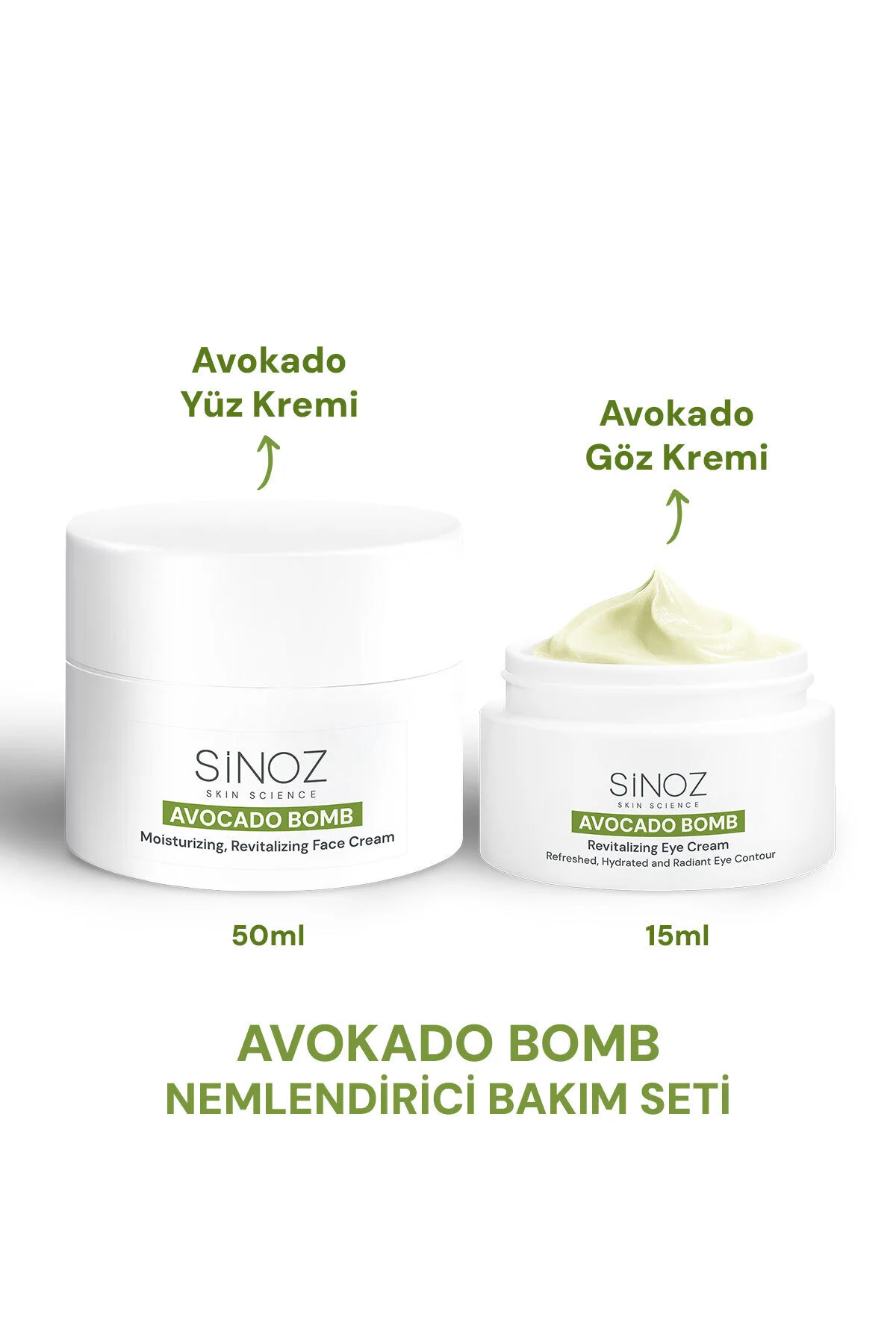
Sinoz Avokado Bomb Yoğun Nemlendirici Yüz Kremi & Göz Kremi 2'li Bakım Seti
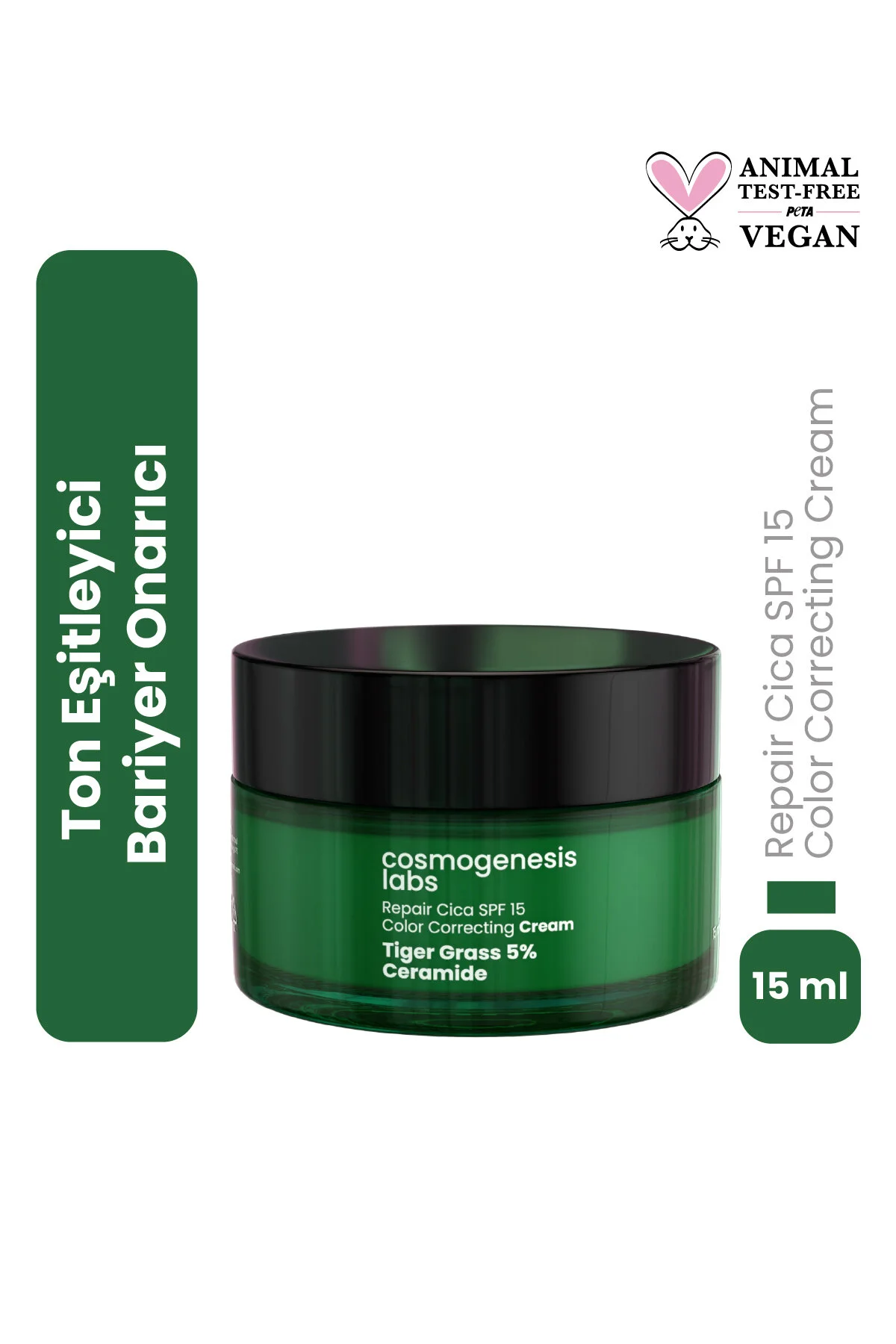
Cosmogenesis Labs Ton Eşitleyici Tiger Grass Cica Krem 15ml - Bariyer Onarıcı Nemlendirici SPF 15 Koruma Vegan
Cosmogenesis Labs Ton Eşitleyici Tiger Grass Cica Krem 15ml - Bariyer Onarıcı Nemlendirici SPF 15 Koruma Vegan
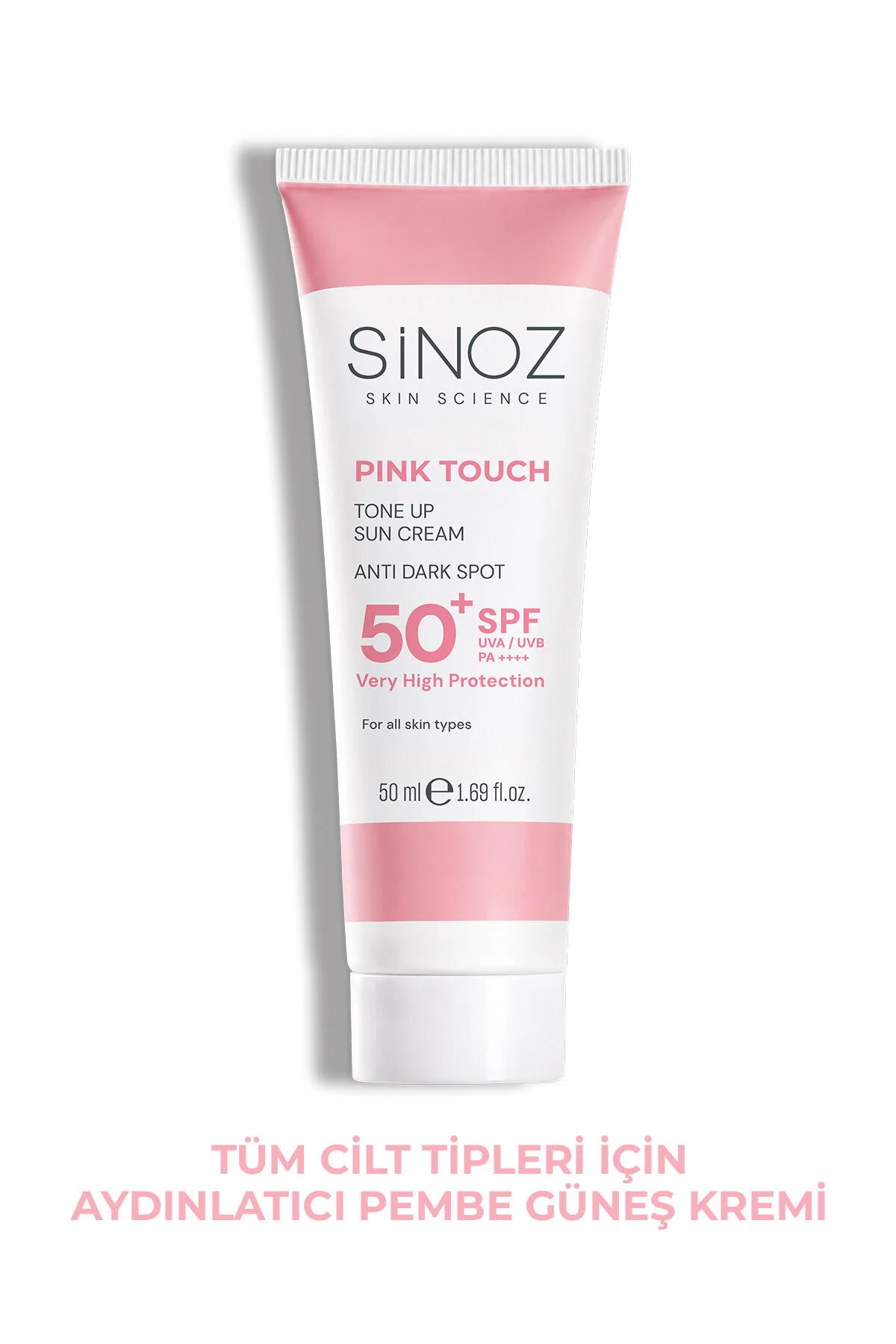
Sinoz Pink Touch SPF50+ Aydınlatıcı Pembe Yüz Güneş Kremi PA++++ Tüm Ciltler için 50ml
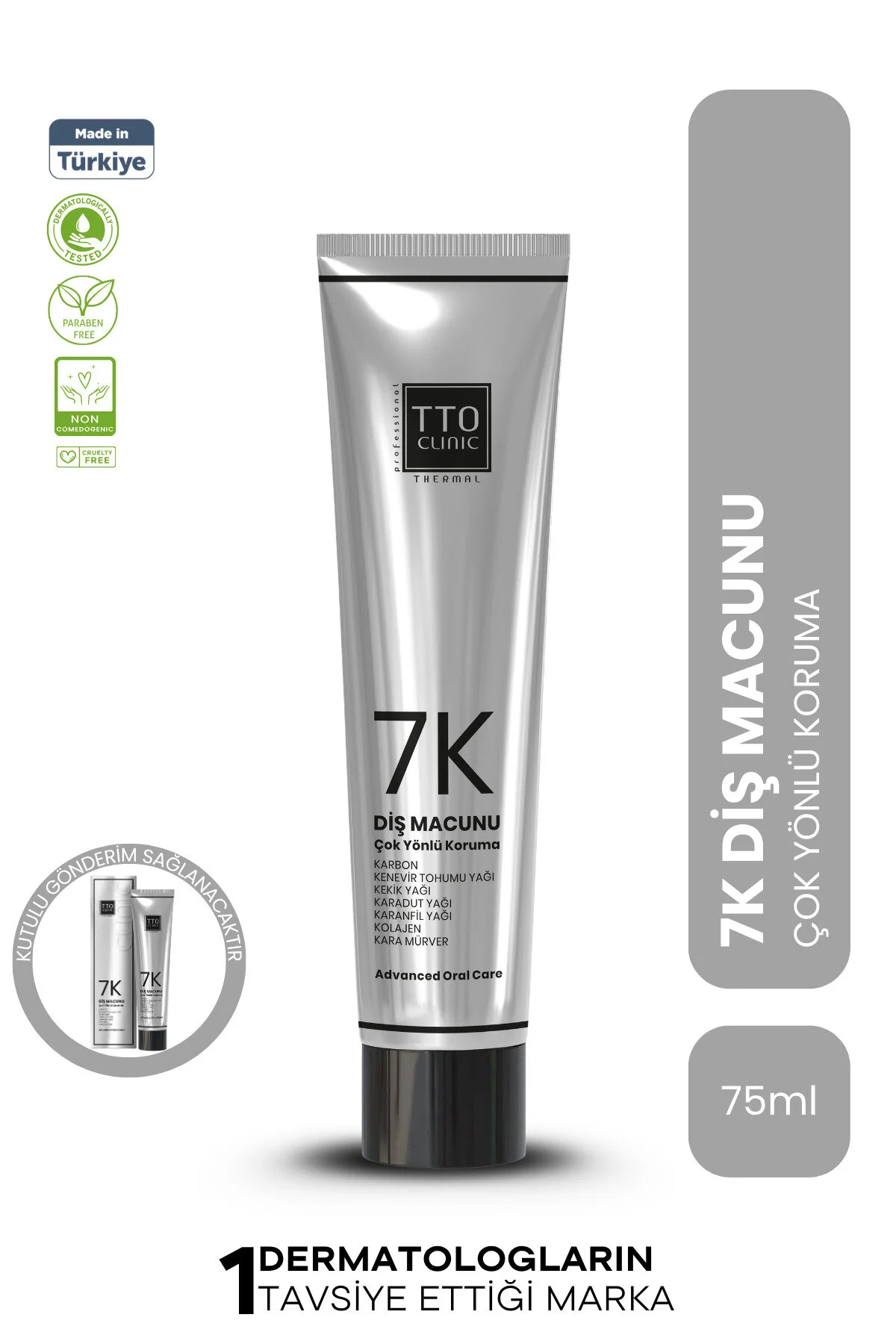
TTO Clinic 7K Aktif Karbonlu Diş Macunu 75 ml | Diş Eti ve Mine Bakımı
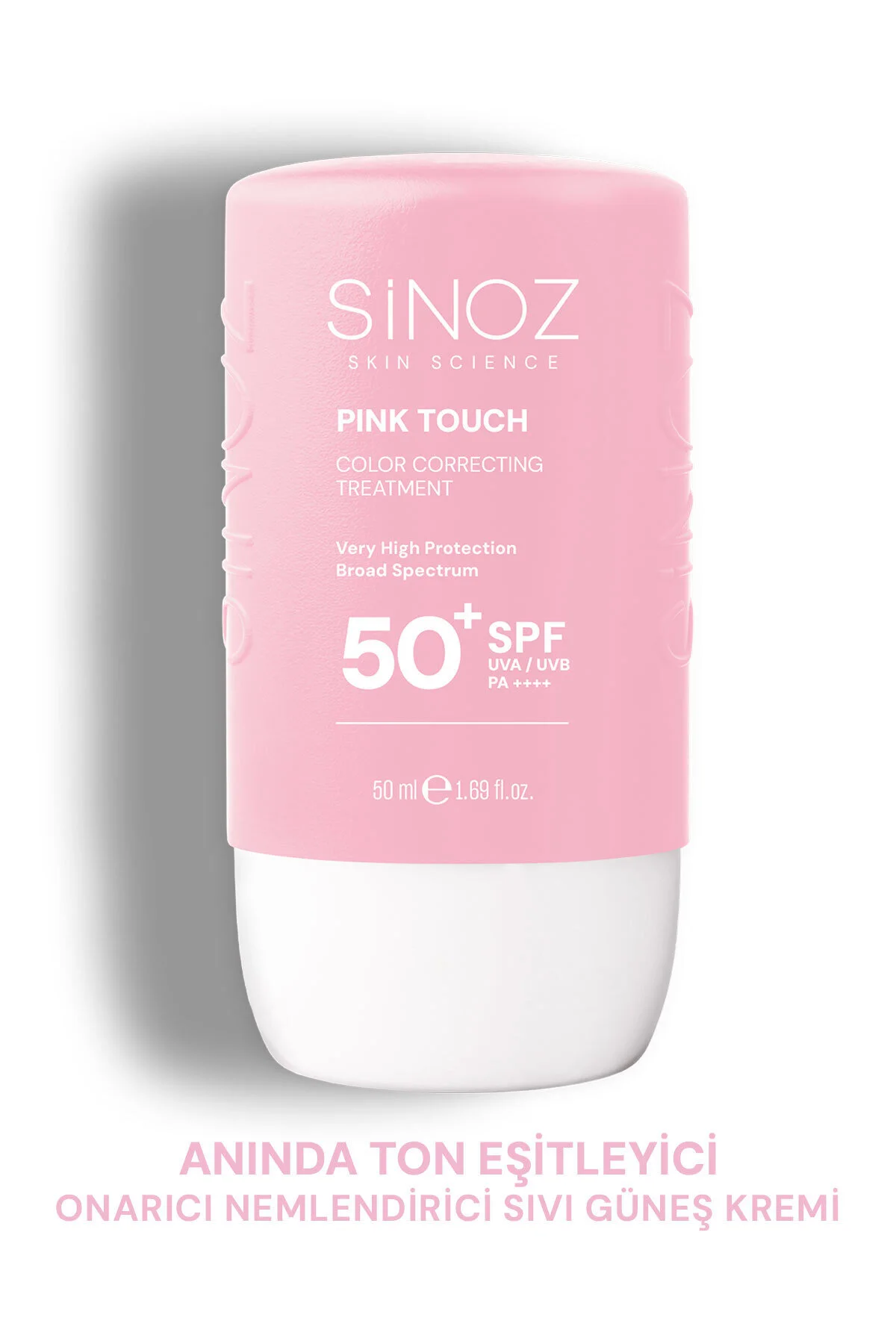
Sinoz Pink Touch Anında Ton Eşitleyici Leke Karşıtı SPF50+ Pembe Sıvı Yüz Güneş Kremi PA++++ 50ml
Sinoz Pink Touch Anında Ton Eşitleyici Leke Karşıtı SPF50+ Pembe Sıvı Yüz Güneş Kremi PA++++ 50ml
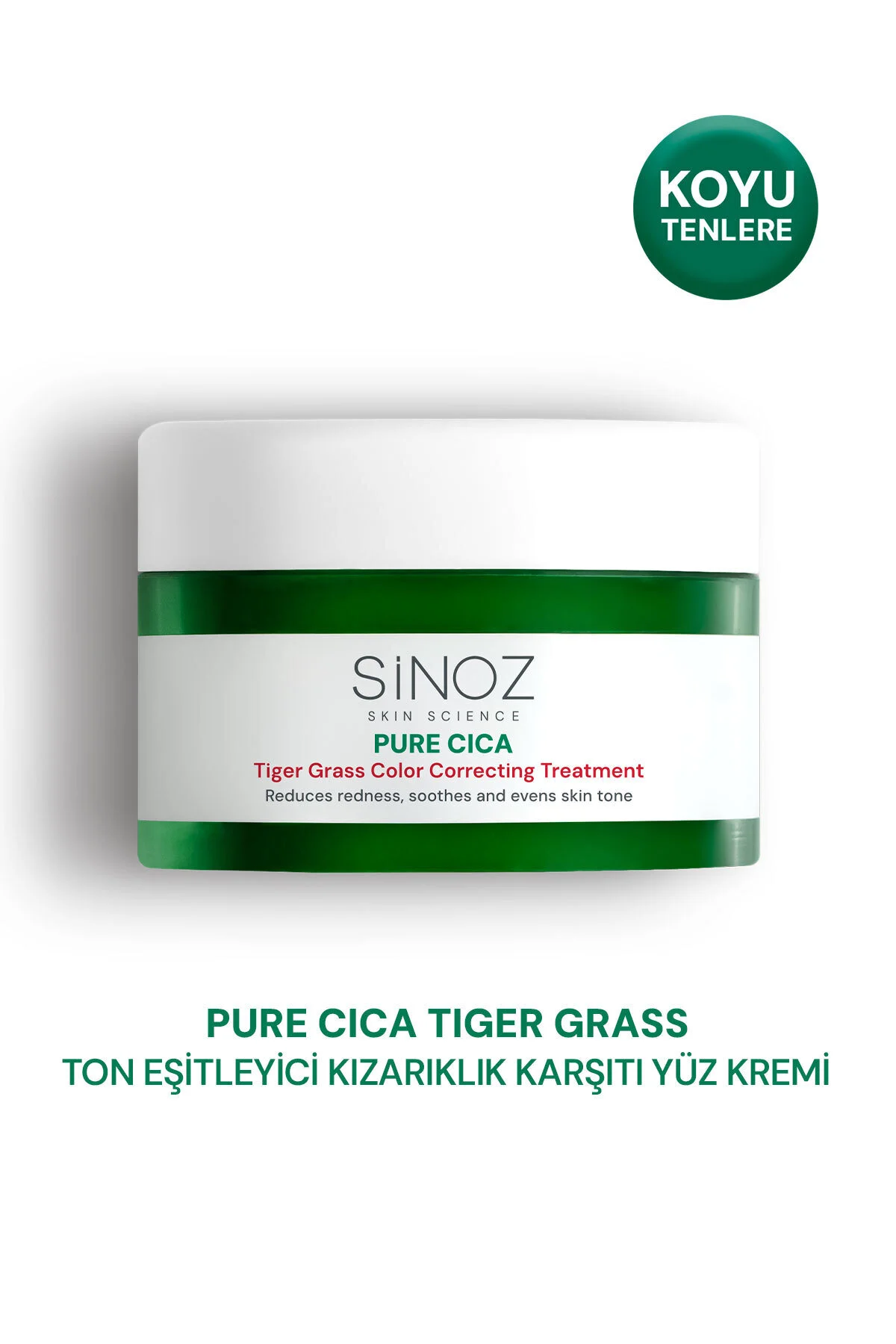
Sinoz Pure Cica Tiger Grass Anında Ton Eşitleyici Onarıcı Yüz Bakım Kremi 15 ml
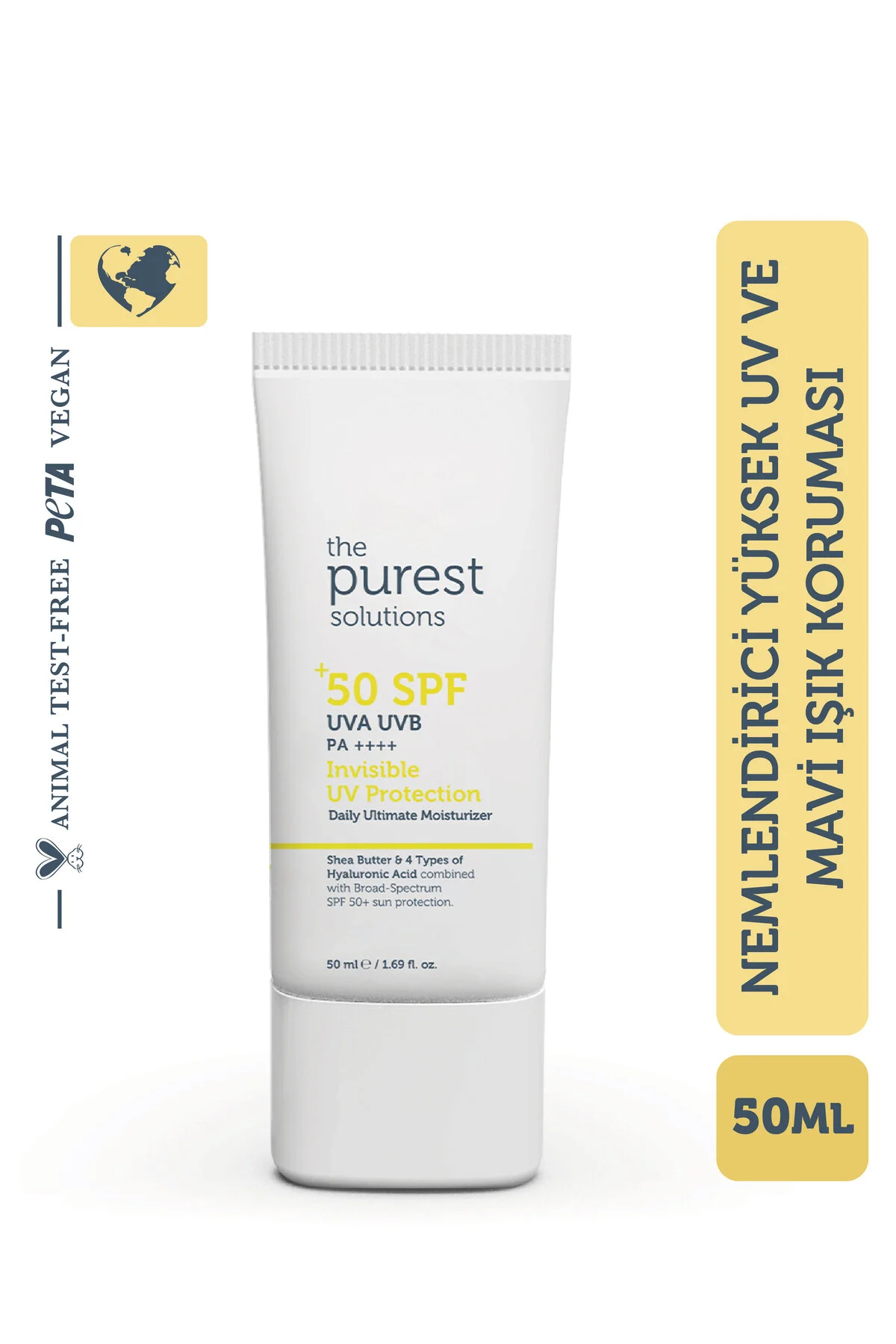
The Purest Solutions Yüksek Koruma ve Nemlendirici Etkili Güneş Koruyucu Krem SPF 50, 50 ml
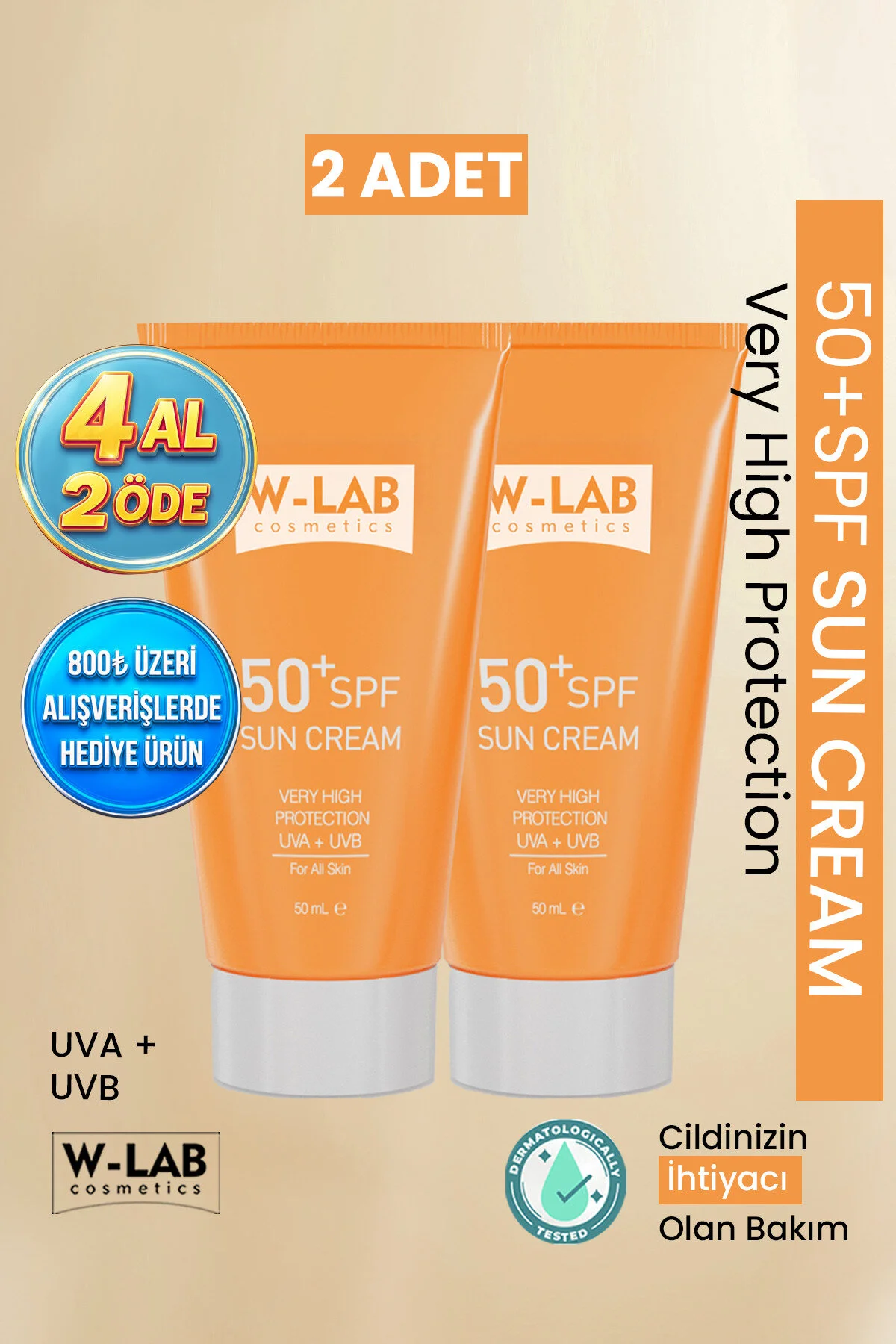
W-Lab Cosmetics Koruyucu 50+Spf Güneş Kremi 50 ml 2 li Set