
SODIUM FLUORIDE
- CAS
- 7681-49-4
- EC
- 2316678
- PubChem CID
- 5235
- Molecular Formula
- FNa
- Molecular Weight
- 41.9882 g/mol
Sodium fluoride
What does it do?
Provides fluoride ions in the product. Used to strengthen tooth enamel.
Details
Sodium fluoride

Why is sodium fluoride in toothpaste being debated?
You see "sodium fluoride" on a toothpaste label. The question is simple: is this fluoride harmful or helpful? The ingredient has been used for decades to prevent cavities, but its classification is now being debated in Europe.
Read the full guide →Function & Use
Oral Care
Antiplaque
Regulatory note
- EU 1223/2009 Annex IIIRestricted
Maximum concentration: 0.15%
What The Sources Say
SCCS (EU Scientific Committee on Consumer Safety)3
EU 1223/2009 Annex III - SCCS opinion: Opinion concerning the Safety of Fluorine Compounds in Oral Hygiene Products for Children under the Age of 6 years
EU 1223/2009 Annex III - SCCS opinion: Opinion on the Safety of Fluorine Compounds in Oral Hygiene Products for Children under the Age of 6 Years
EU 1223/2009 Annex III - SCCS opinion: Clarification on the Opinions SCCNFP/0653/03 and SCCP/0882/05 on the Safety of Fluorine Compounds in Oral Hygiene Products for Children under the Age of 6 Years
ToxValDB (EPA Toxicity Value Database)10
EPA ToxValDB skin/eye data - endpoint: Eye Irritation, classification: Eye Irrit. 2. Caveat: this is an aggregated record; dose, species and route of exposure must be considered together.
EPA ToxValDB skin/eye data - endpoint: Skin Irritation, classification: Skin Irrit. 2. Caveat: this is an aggregated record; dose, species and route of exposure must be considered together.
EPA ToxValDB skin/eye data - endpoint: Eye Irritation, classification: Category 1. Caveat: this is an aggregated record; dose, species and route of exposure must be considered together.
EPA ToxValDB skin/eye data - endpoint: Skin Sensitization, classification: Classification not possible. Caveat: this is an aggregated record; dose, species and route of exposure must be considered together.
EPA ToxValDB skin/eye data - endpoint: Eye Irritation, classification: Category 6.4A (Category 2A). Caveat: this is an aggregated record; dose, species and route of exposure must be considered together.
+5 more records.
Scientific References
- Clarification on the Opinions SCCNFP/0653/03 and SCCP/0882/05 on the Safety of Fluorine Compounds in Oral Hygiene Products for Children under the Age of 6 YearsSCCS - Scientific Committee on Consumer Safety
- DEDuCT 3.0, Database of Endocrine Disrupting Chemicals and their Toxicity profiles (DEDuCT 3.0)Institute of Mathematical Sciences, Chennai
- EU Endocrine Disruptor Lists I, II, III (2026-04 update)edlists.org (Danish EPA on behalf of participating EU member states)
- Opinion concerning the Safety of Fluorine Compounds in Oral Hygiene Products for Children under the Age of 6 yearsSCCS - Scientific Committee on Consumer Safety
- Opinion on the Safety of Fluorine Compounds in Oral Hygiene Products for Children under the Age of 6 YearsSCCS - Scientific Committee on Consumer Safety
Products Containing This Ingredient
Colgate Max White Lasting White

Colgate Colgate Max White Mor Renk Teknolojisi Anında Beyazlık Etkisi Diş Macunu 75 ml
Marvis Aquatic Mint Diş Macunu 85 ml Plak ve Bakterilere Karşı Koruma Sağlayan Uzun Süreli Ferahlık
Closeup Diş Macunu Fresh Blast 50 ml Diş Macunu Icy Cool 50 ml Diş Macunu Mentho
Pearl Drops Hollywood Smile -2 Adet- Beyazlatıcı Diş Macunu | Aktif Oksijen | 5 Kat Daha Beyaz Dişler | 50 ml
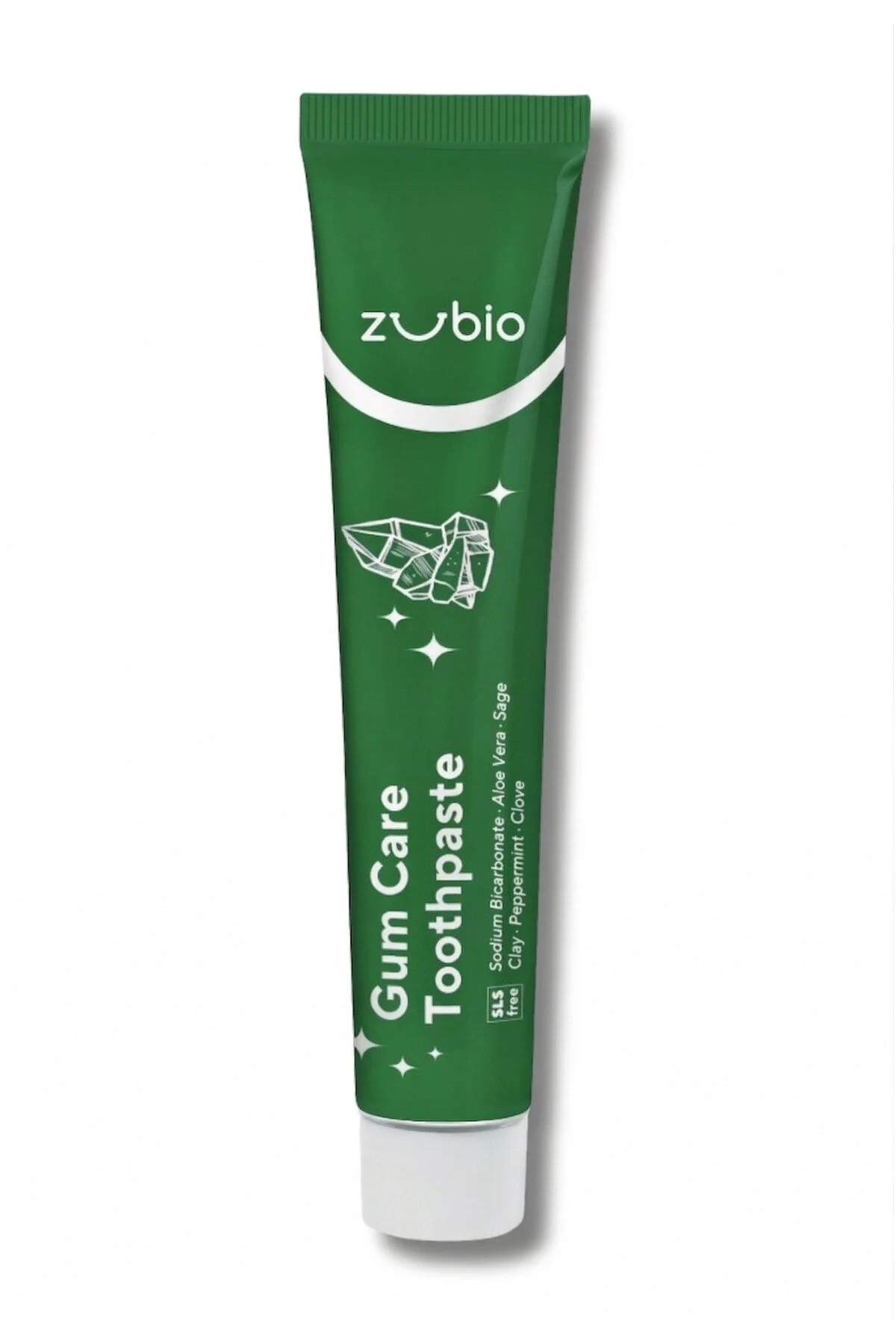
Zubio Diş Eti Bakımı Diş Macunu, 75 Gr
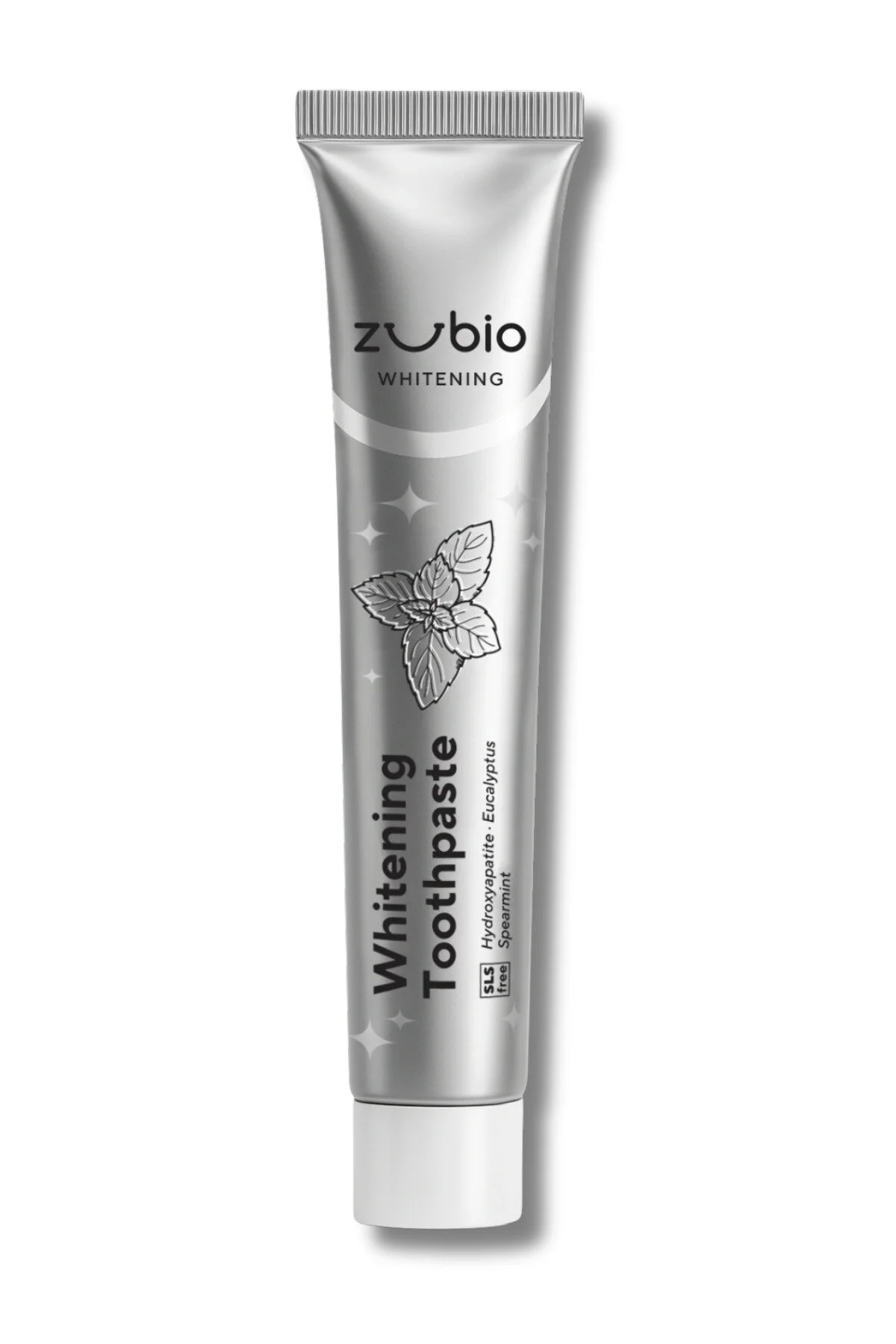
Zubio Beyazlatıcı Diş Macunu, 75 Gr

Piu Cosmetic Piu Cosmetic Aktif Karbon Diş Beyazlatma Macunu 75 ml