
HYDRATED SILICA
- CAS
- 10279-57-9
- PubChem CID
- 190201
- Molecular Formula
- H2O3Si
- Molecular Weight
- 78.0990 g/mol
Silicic acid; synthetic amorphous silicon dioxide
What does it do?
Provides matte finish and smoothness to the product.
Details
Silicic acid; synthetic amorphous silicon dioxide

Hydrated Silica: What Is This Powder on the Label?
You may see "Hydrated Silica" on your toothpaste or an exfoliating cleanser. It sounds like a lab product, but its raw material is the same as sand.
Read the full guide →Function & Use
Viscosity Controlling
Abrasive
Opacifying
Bulking
Absorbent
Anticaking
Usage Restrictions
- Maximum Concentration - 35%
The Panel concluded that these ingredients were safe as used in cosmetic products.
What The Sources Say
CIR (Cosmetic Ingredient Review)19
Definition These inorganic oxide ingredients, comprising in part, silicon dioxide, are solids derived from naturally occurring minerals. Specifically, many of these ingredients are directly derived from various Silicate clay minerals. However, these ingredients can be produced synthetically; and in the case of Silica and Hydrated Silica, these are more commonly prepared as such for commercial purposes. The definitions and functions of the Silica and Silicate ingredients included in this safety assessment are provided in Table 1. Silica Silica is a silicon-oxygen tetrahedral unit where a silicon atom is central within 4 oxygen atoms that are shared with adjacent silicon atoms.21 Various physical forms of Silica are caused by differences in the spatial relationships of the tetrahedral that determine physical characteristics. Amorphous Silica has an irregular tetrahedral pattern. Crystalline Silica is polymorphic where each variety has a characteristic regular 3-dimensional arrangement of the tetrahedral. As would be predicted from these descriptions, crystalline Silica has a well-defined x-ray diffraction pattern; whereas amorphous forms of Silica do not.1 Only synthetic amorphous Silica forms are used in cosmetics and this safety assessment is limited to these forms of Silica; crystalline Silica forms are not used in cosmetics. The CAS No. 7631-86-9 is the general CAS No. which includes all forms of silicas including amorphous, crystalline, synthetic, and natural forms.16 The amorphous forms of Silica may also be referred to as amorphous silicon oxide hydrate, silicic anhydride, silicon dioxide, and silicon dioxide, fumed.5 Pyrogenic Silica is the current terminology for silicon dioxide, fumed.4 Hydrated Silica Hydrated Silica may also be referred to as hydrosilicic acid, precipitated Silica, Silica gel, Silica hydrate, silicic acid, … [kırpıldı - bölüm toplam 23574 karakter]
Acute Toxicity Studies The following are a list of acute oral LD 50 determinations: Calcium Silicate, 3400 mg/kg in rats; Magnesium Aluminum Silicate, 50,000 mg/kg in mice; Zirconium Silicate, > 200 g/kg in mice; Hectorite, > 5 g/kg in rats; Kaolin, 149 g/kg in rats (death due to bowel obstruction); 15 natural Zeolites, 10 g/kg in rats.2 The acute dermal LD 50 was > 3.5 g/kg for rabbits exposed to Magnesium Aluminum Silicate. The toxicity of Potassium Silicate, Sodium Metasilicate, and Sodium Silicate has been related to the molar ratio of SiO 2 /Na 2 O and the concentration.3 The acute oral LD 50 of Sodium Metasilicate ranged from 847 mg/kg in male rats to 1349.3 mg/kg in female rats, and from 770 mg/kg in female mice to 820 mg/kg in male mice. Gross lesions of variable severity were found in the oral cavity, pharynx, esophagus, stomach, larynx, lungs, and kidneys of dogs receiving 0.25 g/kg or more of a commercial detergent containing Sodium Metasilicate. Similar lesions were seen in pigs given the same detergent and dose as in the previous study. Male Sprague-Dawley rats orally administered 464 mg/kg of a 20% solution containing either 2.0 or 2.4 ratio of Sodium Silicate to 1.0 ratio of sodium oxide showed no signs of toxicity, whereas doses of 1000 and 2150 mg/kg produced gasping, dyspnea, and acute depression. Acute intraperitoneal injections of a neutralized 2% solution of Sodium Metasilicate in white rats resulted in a decrease in spleen weight and relative enlargement of the kidneys. Acute dermal, oral, and inhalation data are summarized in Table 6. Hydrated Silica in water and Potassium Silicate (30%) had dermal LD 50 s greater than 5 g/kg in rabbits and rats, respectively.10,16,20,68 In oral rat studies, the LD 50 s for Aluminum Silicate (concentration not reported), Calcium Silicate (20%), Hydrated Silica (26% in water), Potassium Silicate … [kırpıldı - bölüm toplam 43972 karakter]
Magnesium Aluminum Silicate (4%) was a weak primary skin irritant in rabbits and had no cumulative skin irritation in guinea pigs.2 No gross effects were reported in any of these studies. Sodium Magnesium Silicate (4%) had no primary skin irritation in rabbits and had no cumulative skin irritation in guinea pigs. Hectorite was nonirritating to the skin of rabbits in a Draize primary skin irritation study. Applications of 2 g of Magnesium Aluminum Silicate made to the skin of two humans daily for 1 week caused no effects. Dermal irritation of Potassium Silicate, Sodium Metasilicate, and Sodium Silicate ranged from negligible to severe, depending on the species tested and the molar ratio and concentration tested.3 Sodium Metasilicate/carbonate detergent (37% Sodium Metasilicate) mixed 50/50 with water was considered a severe skin irritant when tested on intact and abraded human skin. Detergents containing 7%, 13%, and 6% Sodium Silicate mixed 50/50 with water, however, were negligible skin irritants to intact and abraded human skin. Sodium Silicate (10% of a 40% aqueous solution) was negative in a repeat-insult predictive patch test in humans. The same aqueous solution of Sodium Silicate was considered mild under normal use conditions in a study of cumulative irritant properties. Sodium Metasilicate and Sodium Silicate were studied in modified soap chamber tests. No burning or itching was observed and low erythema + edema scores were noted. Sodium Metasilicate and Sodium Silicate, tested in elbow crease studies and semioccluded patch tests, produced low grade and transient irritation. Sodium Metasilicate was negative in the local lymph node assay (LLNA), but a delayed-type hypersensitivity response was observed in mice.3 In vitro and animal dermal irritation and animal sensitization data are summarized in Table 9. Aluminum Silicate … [kırpıldı - bölüm toplam 2686 karakter]
A 4% solution of Magnesium Aluminum Silicate and a 4% solution of Sodium Magnesium Silicate caused minimal eye irritation in a Draize eye irritation test.2 Bentonite caused severe iritis after injection into the anterior chamber of the eyes of rabbits. When injected intralamellarly, widespread corneal infiltrates and retrocorneal membranes were recorded. In a primary eye irritation study in rabbits, Hectorite was moderately irritating without washing and practically nonirritating to the eye with a washout. Rats tolerated a single dose of Zeolite without any adverse reaction to the eye. Potassium Silicate was nonirritating in two acute eye irritation studies in rabbits.3 Sodium Metasilicate (42.4% water) was corrosive to the rabbit eye. Sodium Silicate was a severe eye irritant in acute eye irritation studies. A skin freshener (10% of a 40% aqueous solution) containing Sodium Silicate was nonirritating. Sodium Silicate in another three Draize eye irritation studies was highly irritating, irritating, and nonirritating, respectively. In vitro and animal ocular irritation data are summarized in Table 10. Aluminum Silicate (tested pure) was predicted to be not irritating using the hen's egg test chorioallantoic membrane (HET-CAM) method.13 Sodium Metasilicate (concentration not reported) was predicted to be corrosive in an in vitro method using rabbit eyes, and Zinc Silicate (20%) was predicted to be irritating in a bovine corneal opacity and permeability (BCOP) test.8,11 Potassium Silicate was not irritating to slightly irritating when tested at up to 35% in rabbit eyes.10,15 Hydrated Silica (concentration not provided) and Silica were not irritating to slight irritating in rabbit eyes.20,28,69,70
Sodium Magnesium Silicate (4%) had no primary skin irritation in rabbits and had no cumulative skin irritation in guinea pigs.1 Dermal irritation of Potassium Silicate, Sodium Metasilicate, and Sodium Silicate ranged from negligible to severe, depending on the species tested and the molar ratio and concentration tested.2 Sodium Metasilicate was negative in the local lymph node assay (LLNA) at up to 6%, but a delayed-type hypersensitivity response was observed to the test material in mice sensitized at 4% and challenged at 6%. Sodium Metasilicate/carbonate detergent (37% Sodium Metasilicate) mixed 50/50 with water was considered a severe skin irritant when tested on intact and abraded human skin.2 Detergents containing 7%, 13%, and 6% Sodium Silicate mixed 50/50 with water, however, were negligible skin irritants to intact and abraded human skin. Sodium Silicate (10% of a 40% aqueous solution) was negative in a human repeat-insult predictive patch test (HRIPT). The same aqueous solution of Sodium Silicate was considered mild under normal use conditions in a study of cumulative irritant properties. Sodium Metasilicate and Sodium Silicate were studied in modified soap chamber tests. No burning or itching was observed and low erythema + edema scores were noted. Sodium Metasilicate and Sodium Silicate, tested in elbow crease studies and semi-occluded patch tests, produced low grade and transient irritation. Dermal irritation and sensitization data summarized below are detailed in Table 9. Aluminum Silicate and Zinc Silicate were predicted to be not irritating in EpiDermTM skin assays.6,11 In rabbit studies, the irritation potential of Potassium Silicate (up to 36%) and Sodium Metasilicate (up to 97%) were dependent on concentration.8,9,13 Very slight to no irritation was observed in dermal irritation studies in rabbits with Hydrated Silica (at up to 50% solution in olive oil) and Silica (up to … [kırpıldı - bölüm toplam 2404 karakter]
+14 more records.
Scientific References
- CIR - Amended Safety Assessment ofCosmetic Ingredient Review (CIR), Personal Care Products Council(2018)
- CIR - Amended Safety Assessment of Silica and Silicates as Used inCosmetic Ingredient Review (CIR), Personal Care Products Council(2017)
Products Containing This Ingredient
Colgate Max White Lasting White

Colgate Colgate Max White Mor Renk Teknolojisi Anında Beyazlık Etkisi Diş Macunu 75 ml
TTO Clinic 7K Aktif Karbonlu Diş Macunu 75 ml | Diş Eti ve Mine Bakımı
Rexona Kadın Roll On Deodorant Shower Fresh 50 ml x2
Pearl Drops Pro-White - Leke Çıkarıcı Beyazlatıcı Diş Macunu, İnatçı Lekelere Etkili, Perlit Mineralli, 50 ml
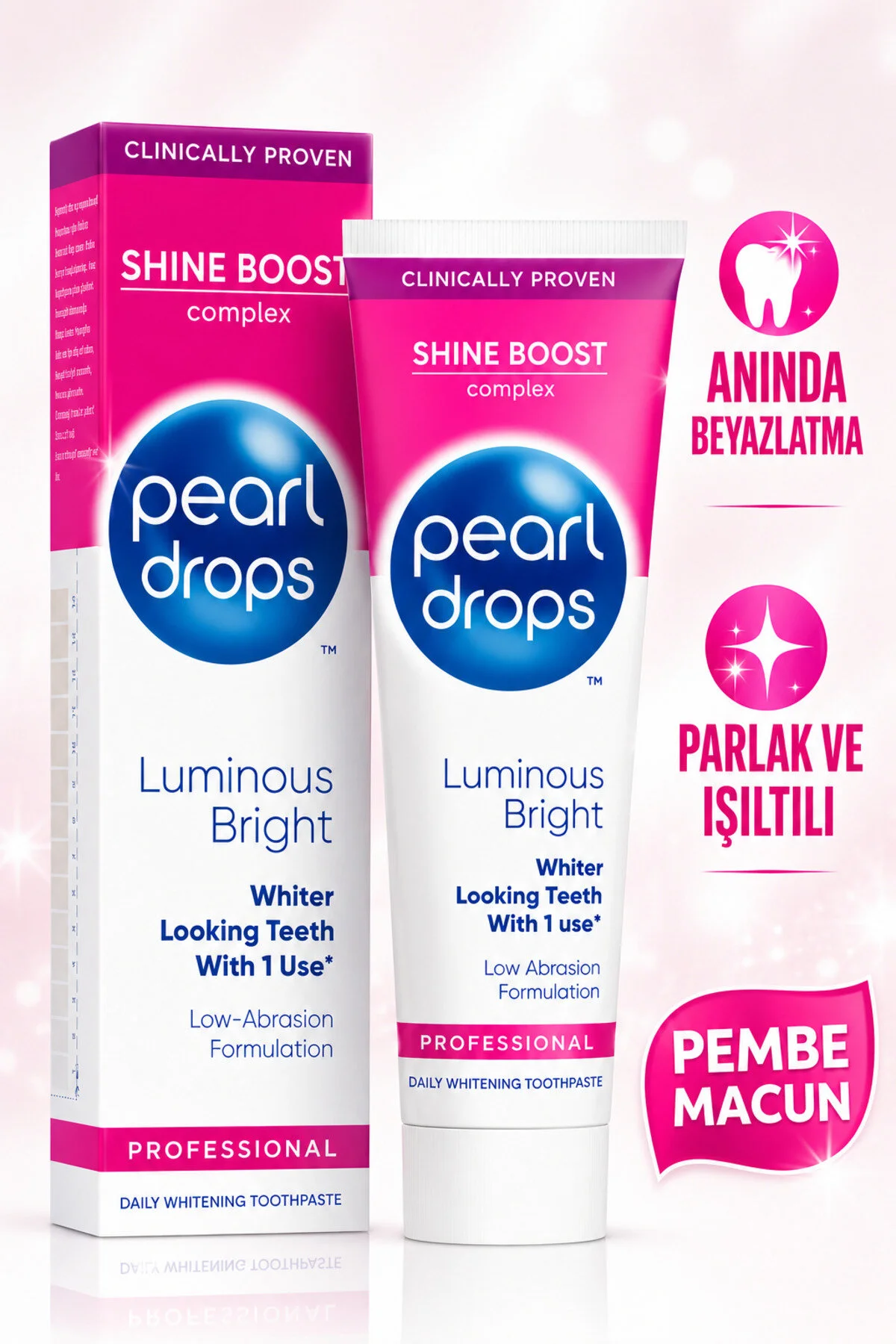
Pearl Drops Luminous Bright - Beyazlatıcı Diş Macunu, Anında Etkili, Işıltılı Parlaklık, SLS İçermez 75 ml
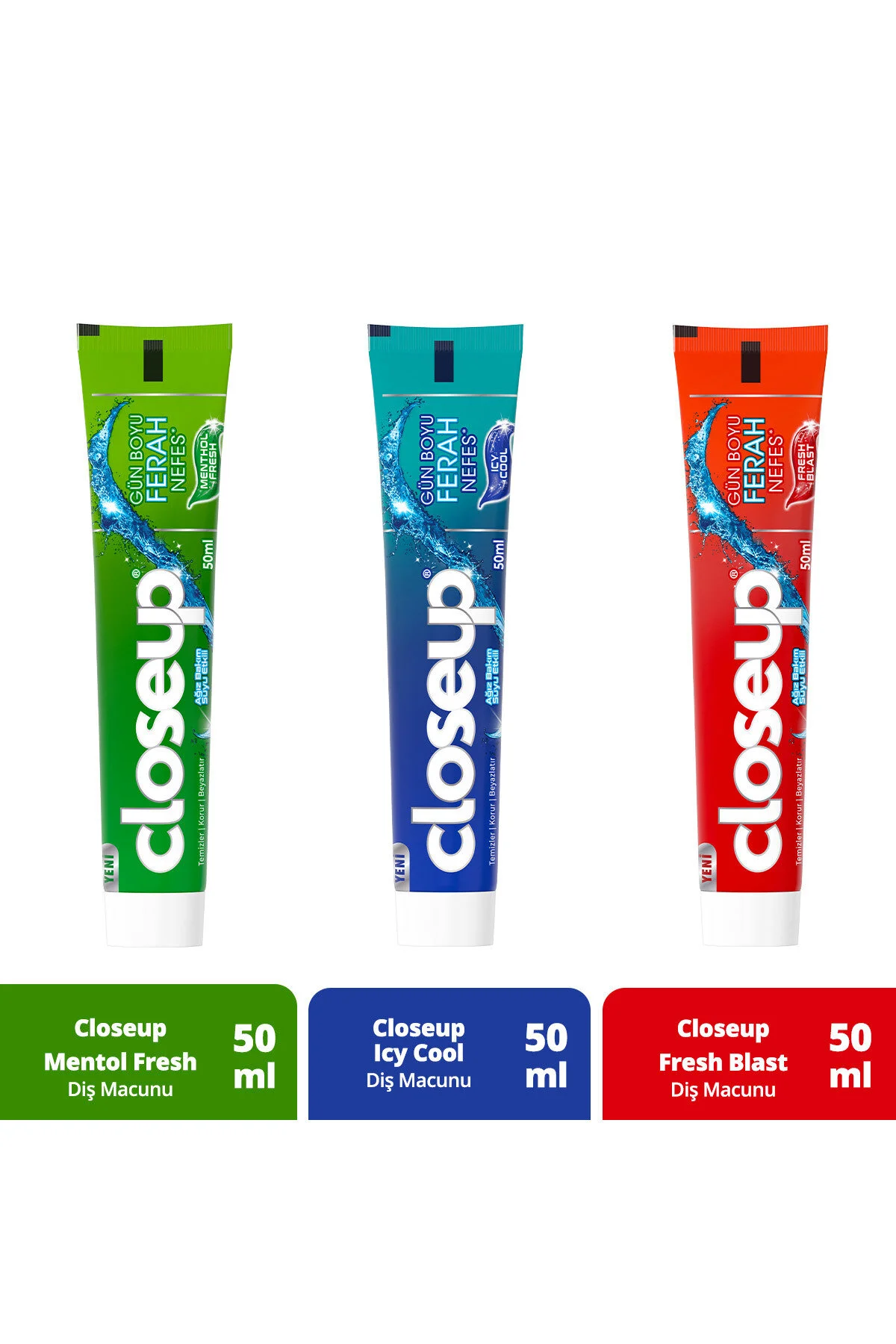
Closeup Diş Macunu Fresh Blast 50 ml Diş Macunu Icy Cool 50 ml Diş Macunu Mentho
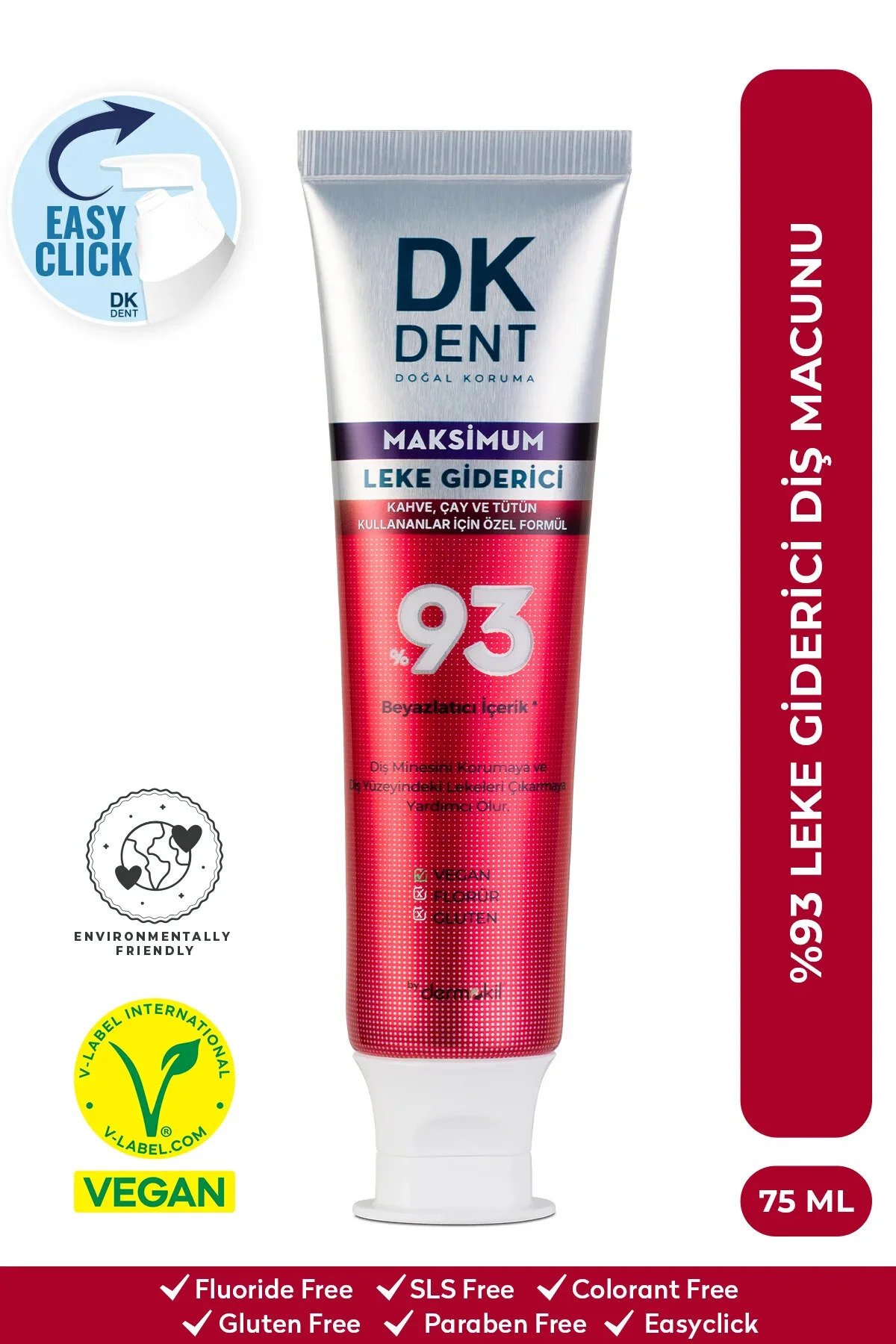
DKDENT %93 Maksimum Leke Giderici Diş Macunu 75 ml
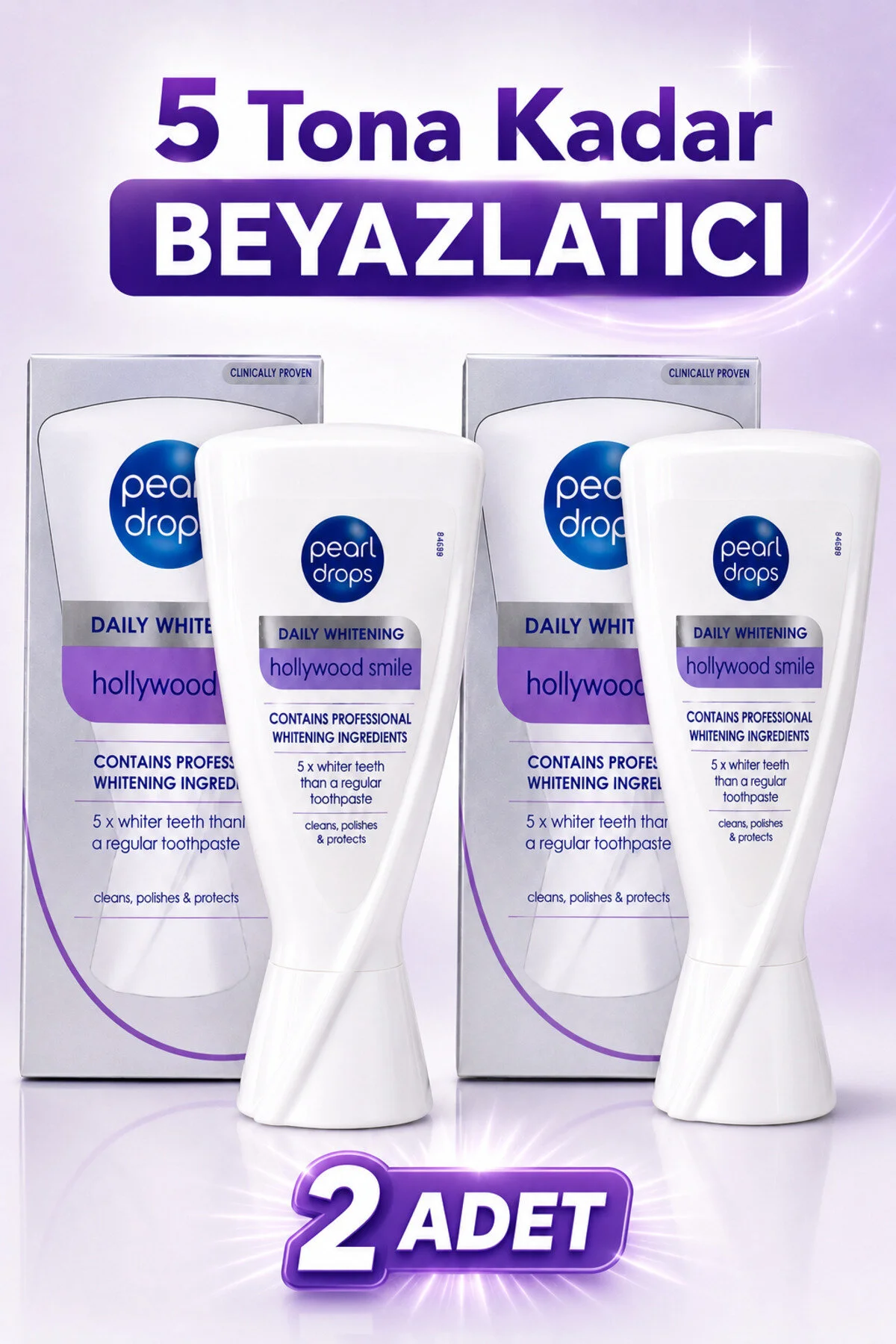
Pearl Drops Hollywood Smile -2 Adet- Beyazlatıcı Diş Macunu | Aktif Oksijen | 5 Kat Daha Beyaz Dişler | 50 ml
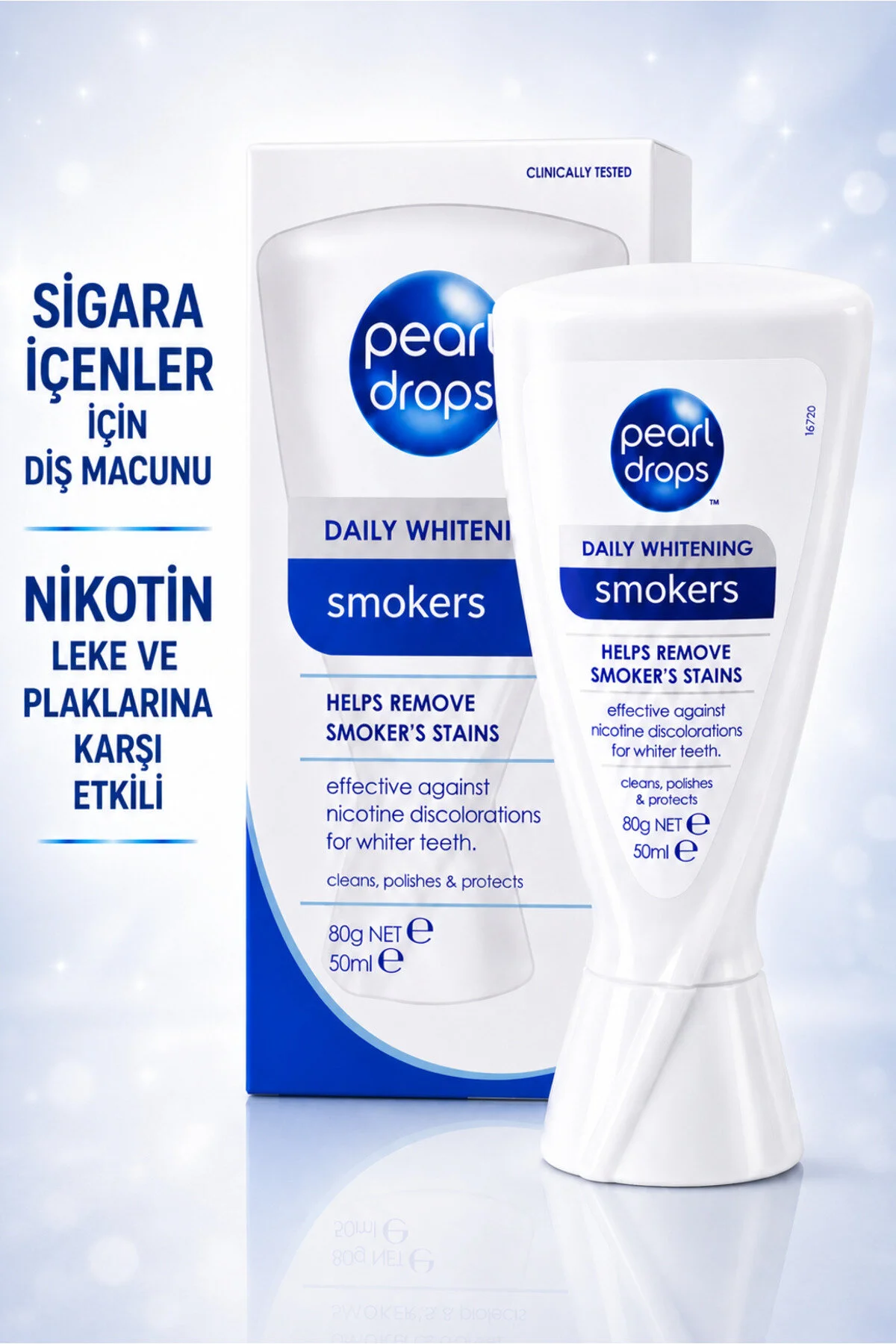
Pearl Drops Smokers - Sigara İçenler İçin Leke Çıkarıcı Jel Diş Macunu, Nikotin Leke Plaklarına Karşı, 50 ml
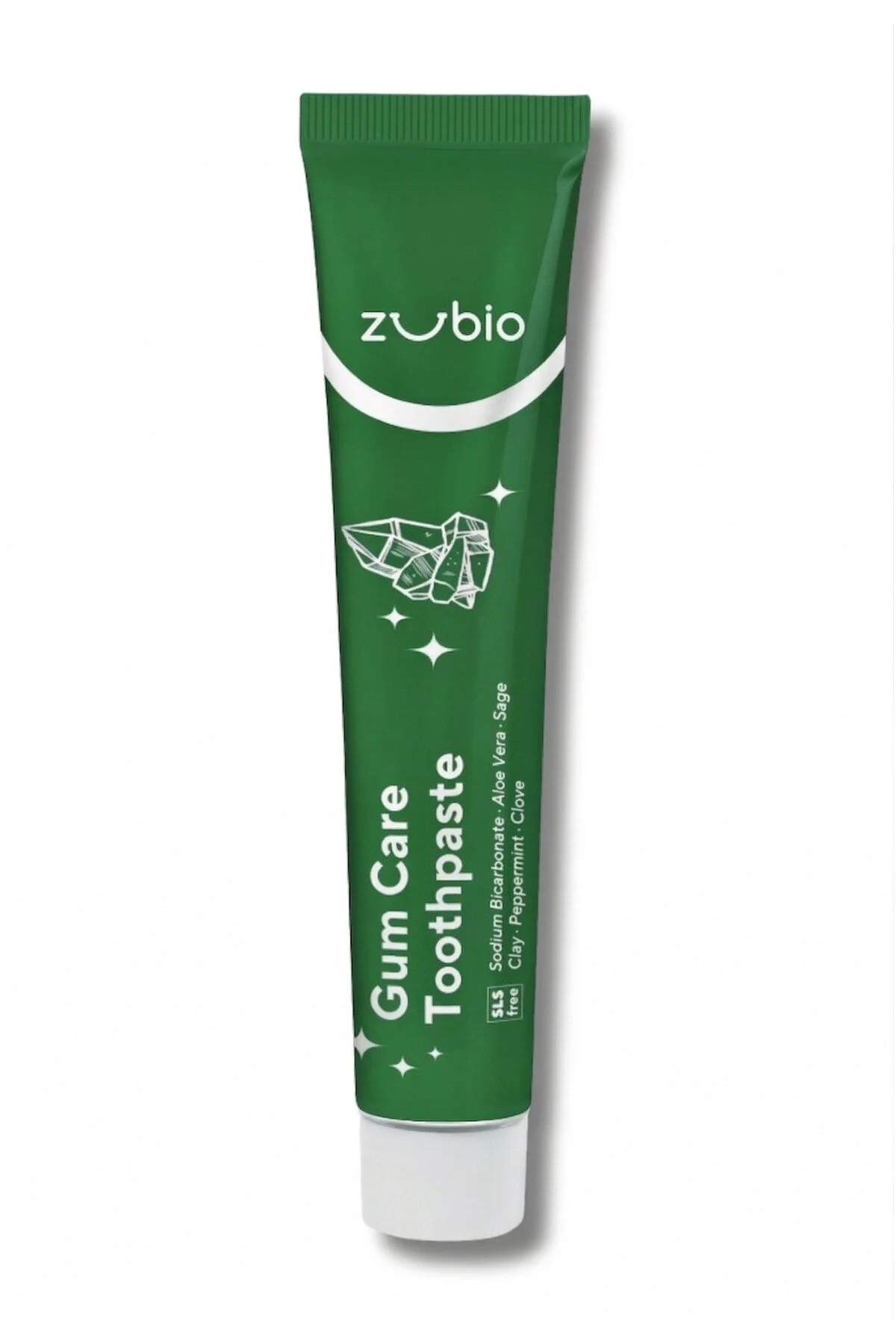
Zubio Diş Eti Bakımı Diş Macunu, 75 Gr
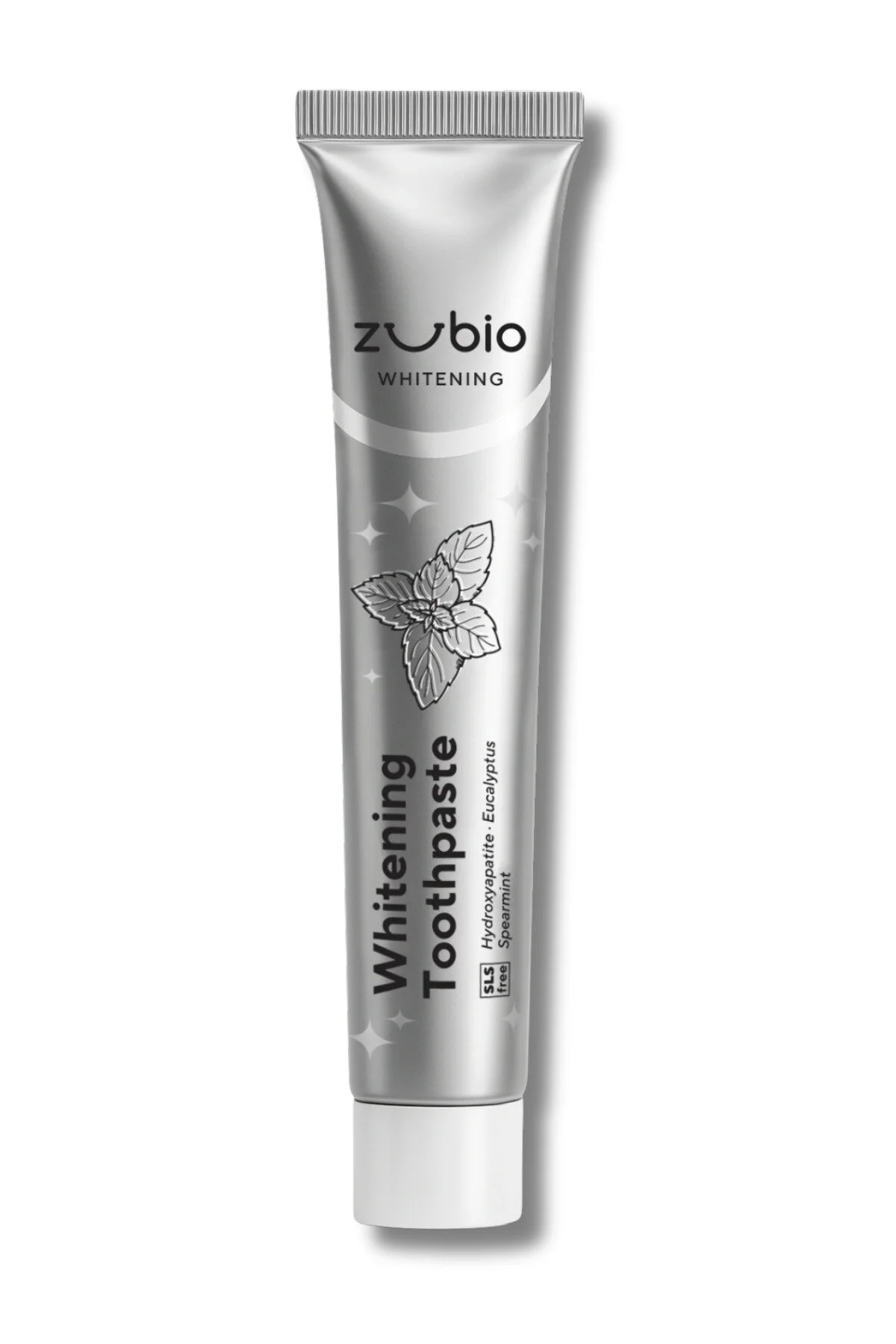
Zubio Beyazlatıcı Diş Macunu, 75 Gr

Rexona Rexona Clinical Protection Confidence Kadın Deodorant Roll On 45 ml