
GLYCOL DISTEARATE
- CAS
- 627-83-8
- PubChem CID
- 61174
- Molecular Formula
- C38H74O4
- Molecular Weight
- 595.0000 g/mol
Ethylene distearate
What does it do?
Provides pearlescent appearance and acts as a thickening agent.
Details
Ethylene distearate

What is glycol distearate doing in your shampoo?
You see glycol distearate on your shampoo label. It is likely the ingredient behind that pearly, glossy look. Here is what it is and what the safety data says.
Read the full guide →Function & Use
Skin Conditioning
Emollient
Emulsifying
Viscosity Controlling
Opacifying
Skin-Conditioning Agent
What The Sources Say
CIR (Cosmetic Ingredient Review)4
Retrospective and Multicenter Studies Glycol Distearate; 1982 Occupational Exposure: Two manufacturers reported that they have been manufacturing Glycol Stearates and Glycol Distearates for between 20 and 30 years.3 According to both, no employee reported that his or her health might have been adversely affected by exposure to these compounds. This conclusion was based upon: (a) 30 employees who for 10 years had potentially been exposed to Glycol Stearate for 1 % of their work time; (b) 70 employees who for 20 years had potentially been exposed to Glycol Distearate for 20% of their work time; and (c) 50 employees who for 30 years had potentially been exposed to Glycol Stearate for 5% of their work time. One manufacturer noted that its labor turnover was very low, so that some individuals had been exposed to the ingredients for many of the years during which they had been produced there.
Acute Dose Toxicity Dermal Neopentyl Glycol Diisononanoate The acute dermal toxicity of undiluted [Neopentyl Glycol Diisononanoate] was evaluated using 10 SD CD strain rats (5 males and 5 females).4 A dose of 2000 mg/kg body was applied... None of the animals died and there were no signs of systemic toxicity or dermal irritation. Necropsy findings were not indicative of any abnormalities and an LD50 of >2000 mg/kg was reported. Acute dermal toxicity studies are summarized in Table 8. The dermal LD50 of Trimethyl Pentanyl Diisobutyrate was reported to be >20 mL/kg in guinea pigs and >2000 mg/kg in rabbits.16,24,40 Clinical signs were: instances of diarrhea, few feces, and soiling of the anogenital area. Glycol Distearate was not toxic to rabbits at 100%.14 Oral Neopentyl Glycol Diisononanoate The acute oral toxicity of undiluted [Neopentyl Glycol Diisononanoate] was evaluated using groups of 4 SD CD rats.4 One group was dosed orally with 300 mg/kg and the remaining 2 groups were dosed with 2000 mg/kg. None of the animals died, and there were no signs of systemic toxicity in any of the 3 groups. Necropsy did not reveal any abnormal findings, and an LD50 of >2000 mg/kg body weight was reported. Glycol Distearate Glycol Distearate [has] been tested in [four] studies for acute oral toxicity in rats;...3 During the various studies, doses of 13 or more g/kg body weight [13,000 mg/kg] in corn oil produced effects which included diarrhea, wet oily coats, and nasal hemorrhage; the symptoms appeared within four days following administration, but disappeared within the next six days. No animals were dosed with high levels of corn oil alone. One study on Glycol Distearate reported that at the 14-day gross autopsy [necropsy], the stomach contained residues which appeared to be the test material. Acute oral toxicity studies are summarized in Table 8. … [kırpıldı - bölüm toplam 23924 karakter]
Retrospective and Multicenter Studies Glycol Distearate; 1982 Occupational Exposure: Two manufacturers reported that they have been manufacturing Glycol Stearates and Glycol Distearates for between 20 and 30 years.3 According to both, no employee reported that his or her health might have been adversely affected by exposure to these compounds. This conclusion was based upon: (a) 30 employees who for 10 years had potentially been exposed to Glycol Stearate for 1 % of their work time; (b) 70 employees who for 20 years had potentially been exposed to Glycol Distearate for 20% of their work time; and (c) 50 employees who for 30 years had potentially been exposed to Glycol Stearate for 5% of their work time. One Distributed for comment only -- do not cite or quote manufacturer noted that its labor turnover was very low, so that some individuals had been exposed to the ingredients for many of the years during which they had been produced there. SUMMARY OF NEW DATA This is a review of the available scientific literature and unpublished data relevant to assessing the safety of 28 monoalkylglycol dialkyl acid esters as used in cosmetics. The Panel has reviewed related ingredients, moieties, and component parts of these ingredients. The ingredients in this report are structurally-related alkyl esters of monoalkyl diols that vary by type of diol and lengths of the carboxylic acid residues. The reported functions of these ingredients include: film former, hair conditioning agent, opacifying agent, plasticizer, skin-conditioning agents (emollient, miscellaneous, and occlusive), slip modifier, solvent, surface modifier, and viscosity increasing agent – nonaqueous. According to VCRP survey data received in 2017, Glycol Distearate was reported to be used in 1663 … [kırpıldı - bölüm toplam 12238 karakter]
CIR draft (2016): On the basis of the available information presented herein, the Panel con cludes that Glycol Stearate, Glycol Stearate SE, and Glycol Distearate are safe as cosmetic ingredients in the present practices of use and concentration.
ToxValDB (EPA Toxicity Value Database)4
EPA ToxValDB skin/eye data - endpoint: skin irritation: in vivo, classification: Studies Indicate No Significant Irritation, species: rabbit, study: skin irritation, guideline: OECD Guideline 404 (Acute Dermal Irritation / Corrosion) equivalent or similar to other guideline: FHSA (Federal Hazardous Substances Control Act), 16 CFR 1500.41 according to, year: 1991. Caveat: this is an aggregated record; dose, species and route of exposure must be considered together.
EPA ToxValDB skin/eye data - endpoint: eye irritation: in vivo, classification: Studies Indicate No Significant Irritation, species: rabbit, study: eye irritation, guideline: OECD Guideline 405 (Acute Eye Irritation / Corrosion) equivalent or similar to other guideline: FHSA/CPSC: Federal Hazardous Substances Control Act, 16 CFR 1500.42 according to, year: 1991. Caveat: this is an aggregated record; dose, species and route of exposure must be considered together.
EPA ToxValDB skin/eye data - endpoint: skin sensitisation: in vivo (non-LLNA), classification: Not likely to be sensitizing, species: guinea pig, study: skin sensitization, guideline: equivalent or similar to OECD Guideline 406 (Skin Sensitisation), year: 1982. Caveat: this is an aggregated record; dose, species and route of exposure must be considered together.
+1 more records.
Scientific References
- CIR - Safety Assessment ofCosmetic Ingredient Review (CIR), Personal Care Products Council(2016)
Products Containing This Ingredient
Amande Fruit Basket Karışık Meyve Kokulu Parfümlü Duş Jeli 380 ml | Vegan Formül
Amande Turkish Rose Gül ve Misk Kokulu Parfümlü Duş Jeli 380ml I Vegan Formül
Restorex Şampuan 500 Ml İnce Telli Ve Yağlı Saçlar
Bübchen Princess Rosalea 2’si 1 Arada Çocuk Şampuanı ve Saç Kremi 230 ML
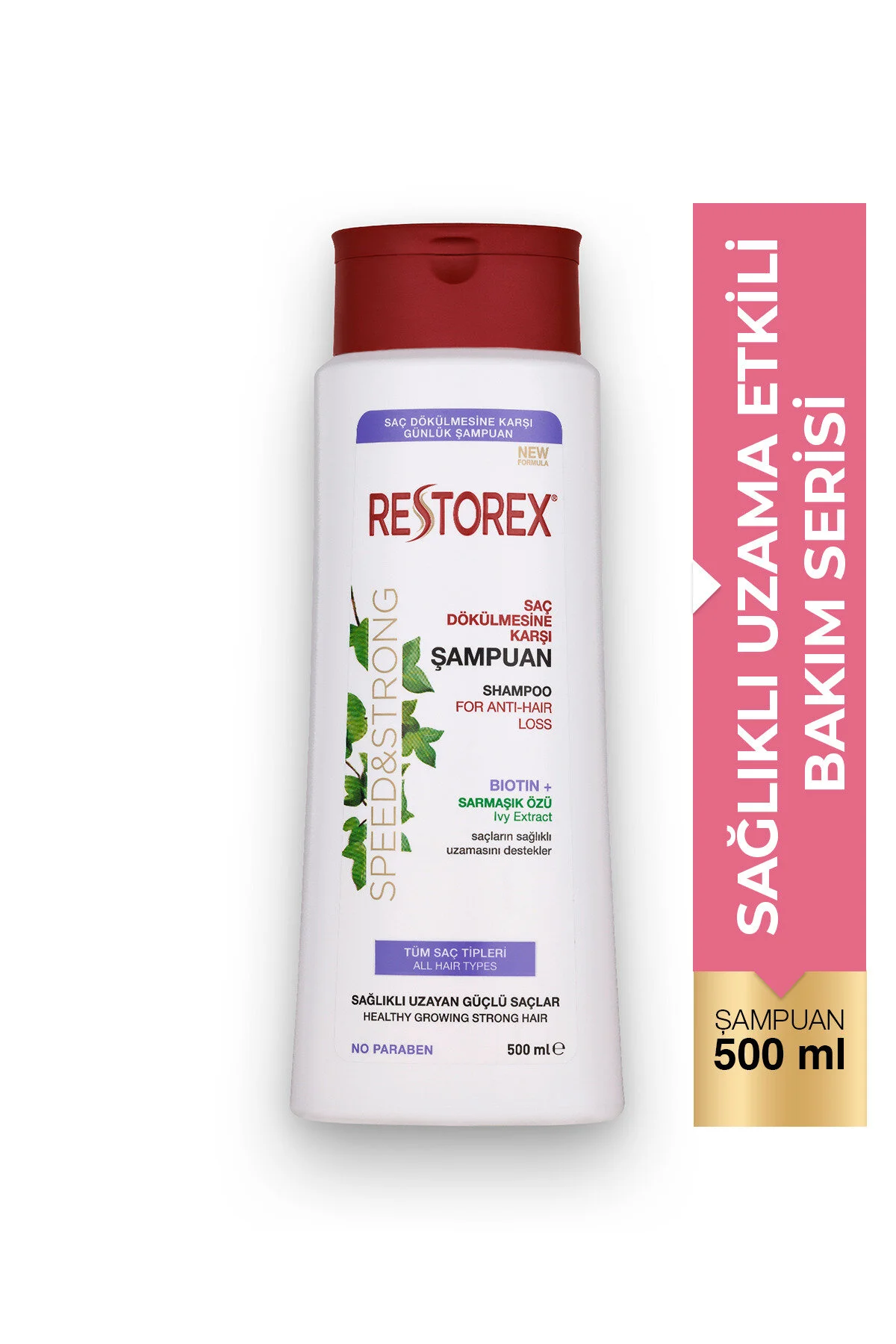
Restorex Speed Strong Saç Dökülmesine Karşı Şampuan 500 ml - Sarmaşık Özlü, Sağlıklı Uzama, Dökülme Karşıtı
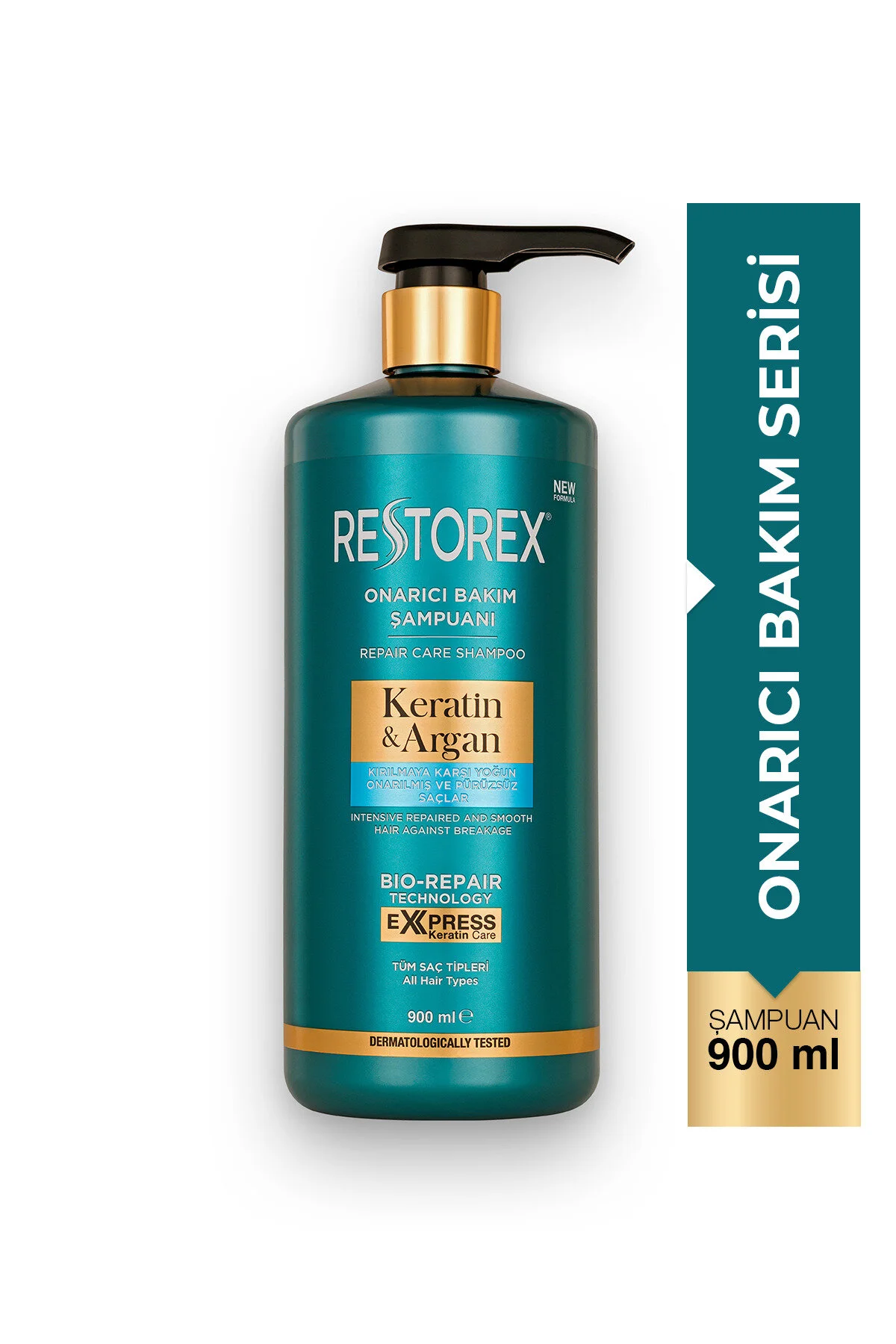
Restorex Keratin & Argan Onarıcı Şampuan 900 ml – Kırılma Karşıtı Güçlendirme
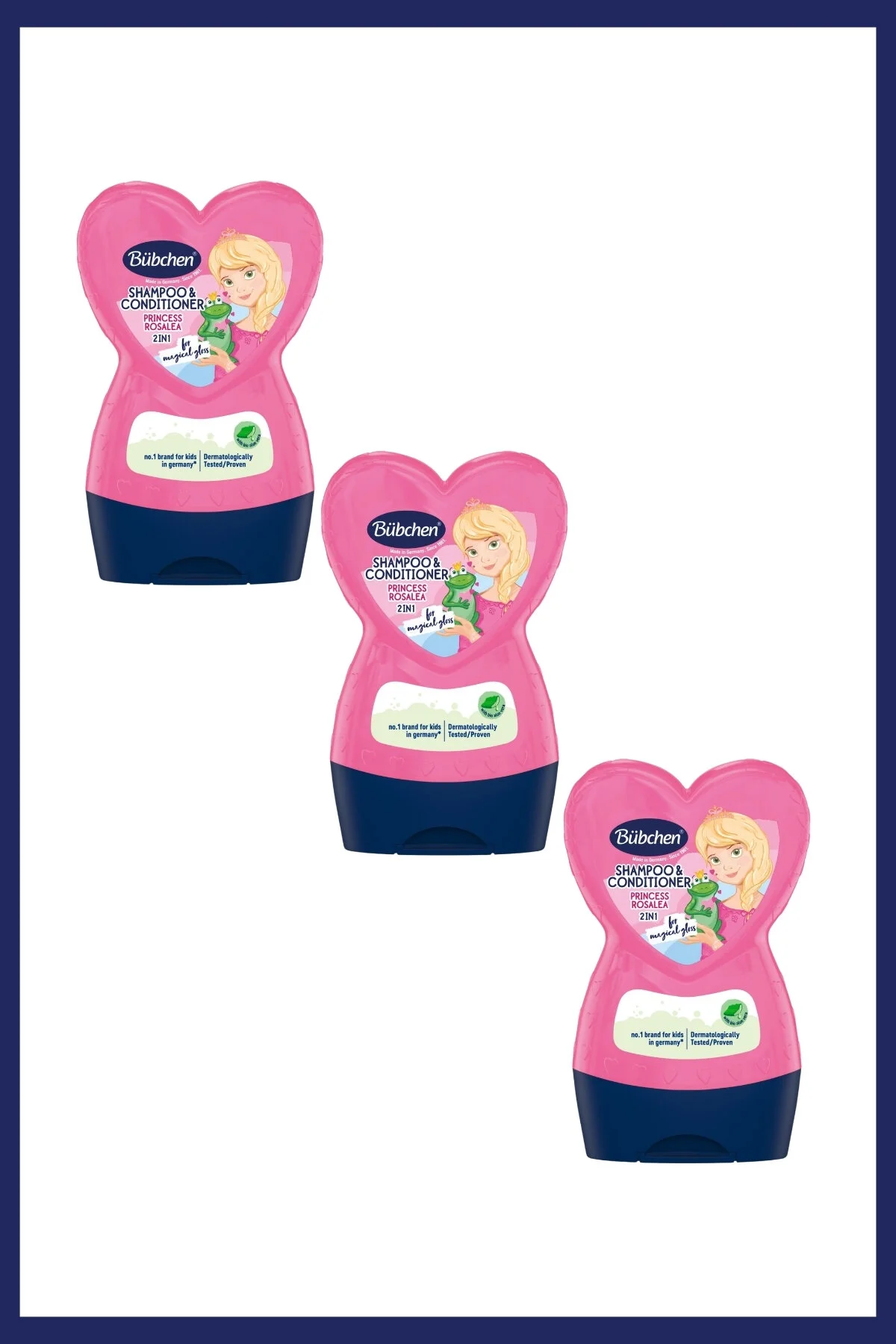
Bübchen Princess Rosalea 2’si 1 Arada Çocuk Şampuanı ve Saç Kremi 230 ML 3'lü Set
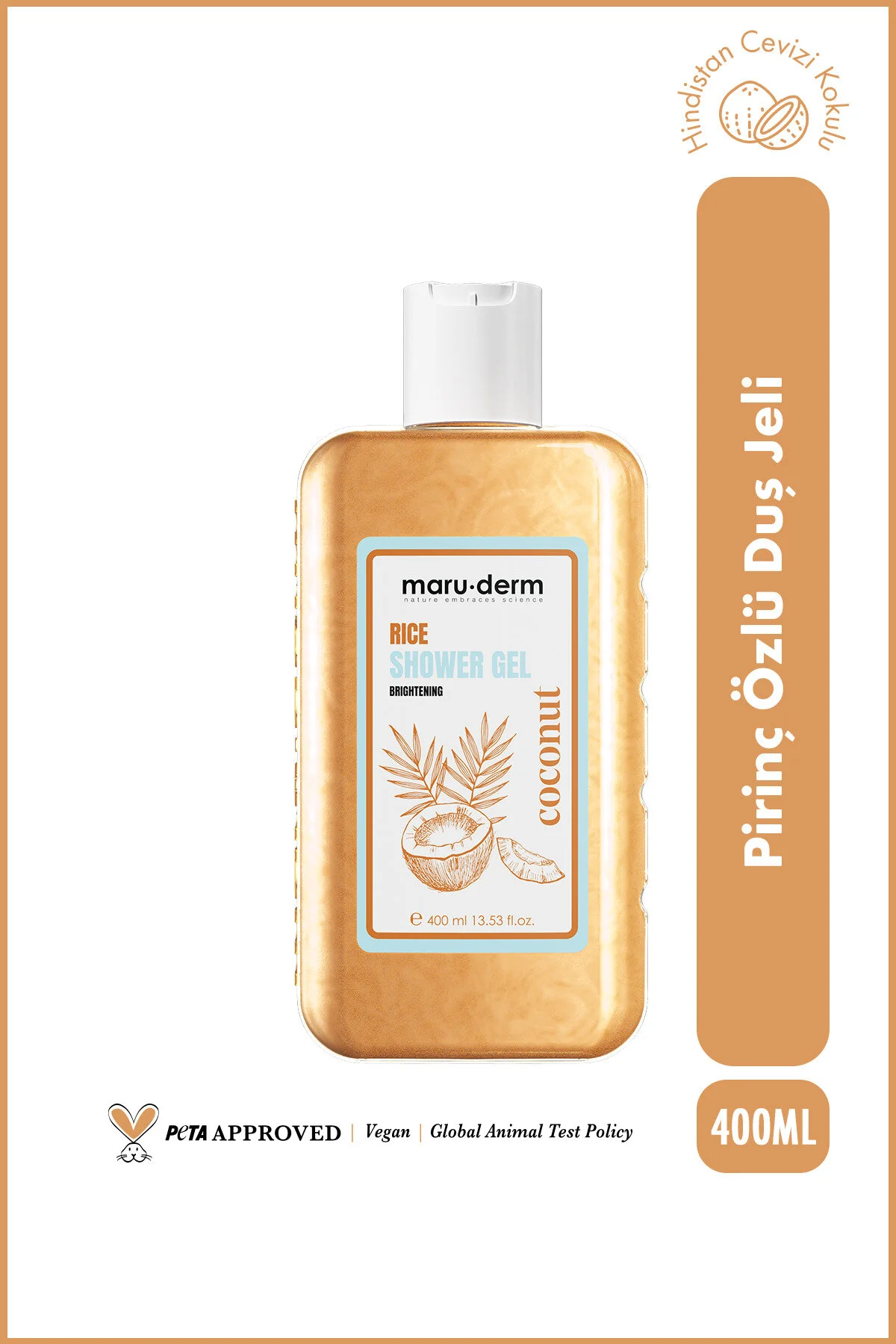
Maru.Derm Pirinç Özlü Duş Jeli 400 ML – Aydınlatıcı & Yumuşatıcı Formül | Parlak ve Pürüzsüz Cilt İçin
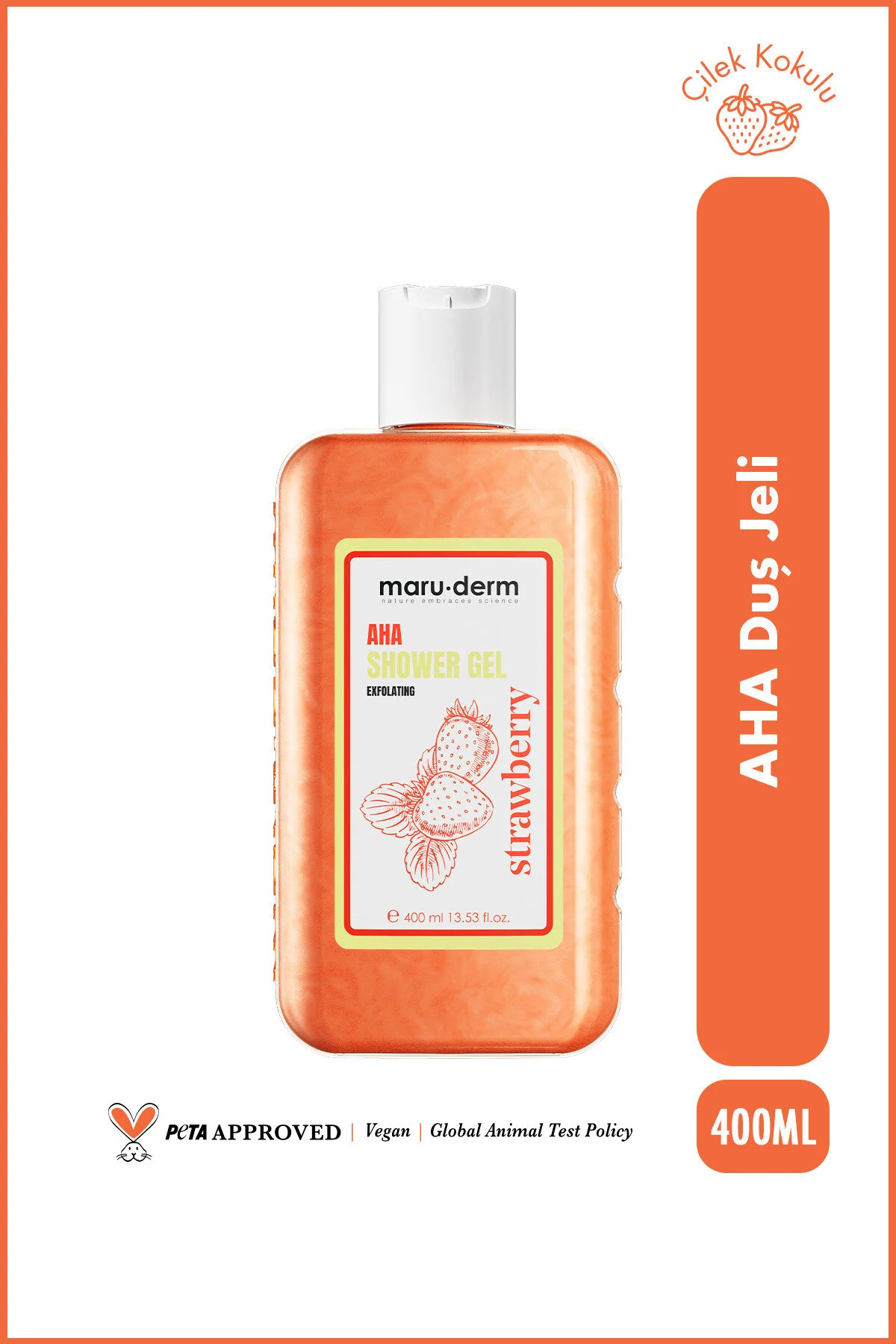
Maru.Derm AHA Duş Jeli 400 ML – Yenileyici & Pürüzsüzleştirici Asitli Vücut Temizleyici | Peeling Etkili
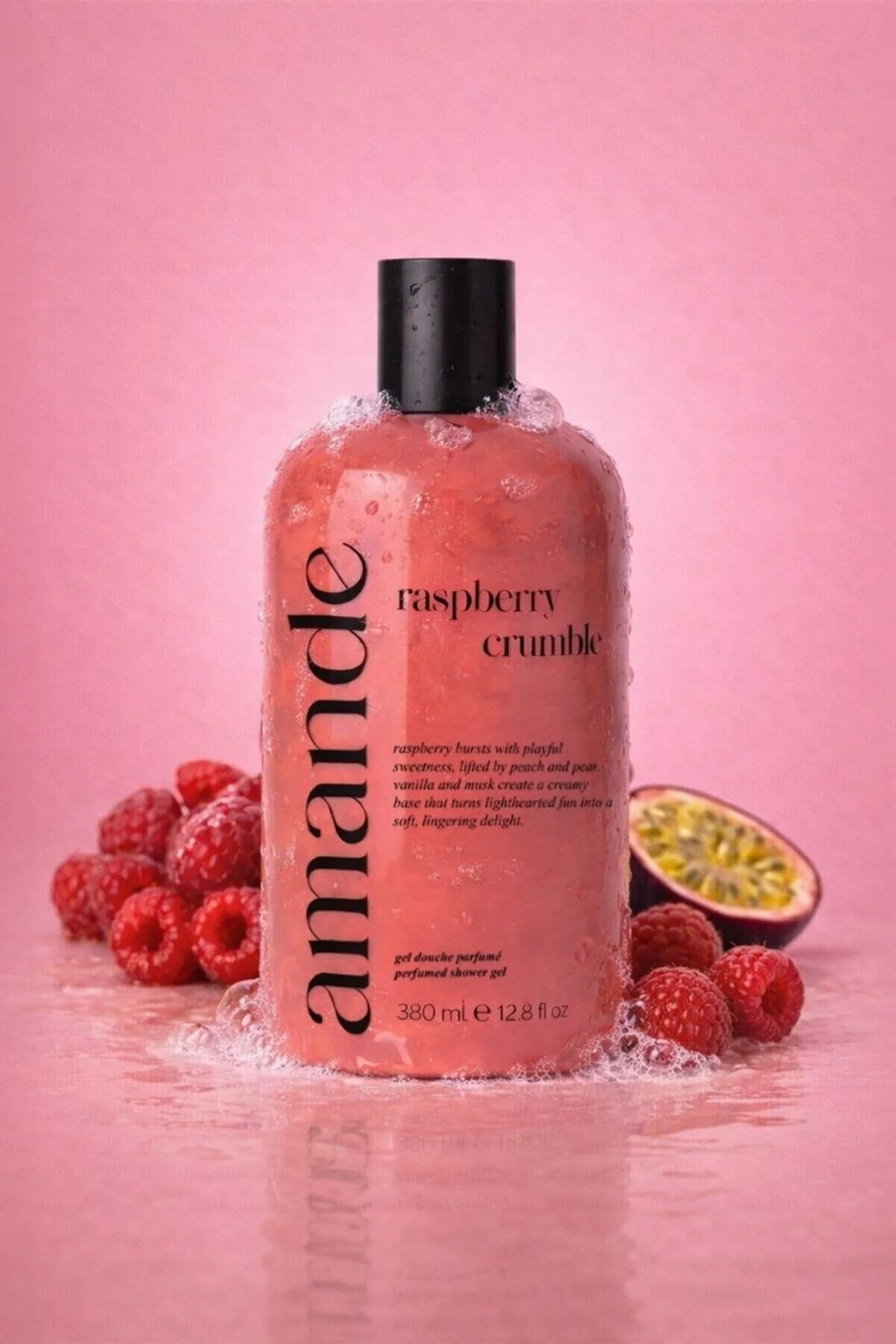
Amande Raspberry Crumble Paçuli ve Ahududu Kokulu Parfümlü Duş Jeli 380 mI Vegan Formül
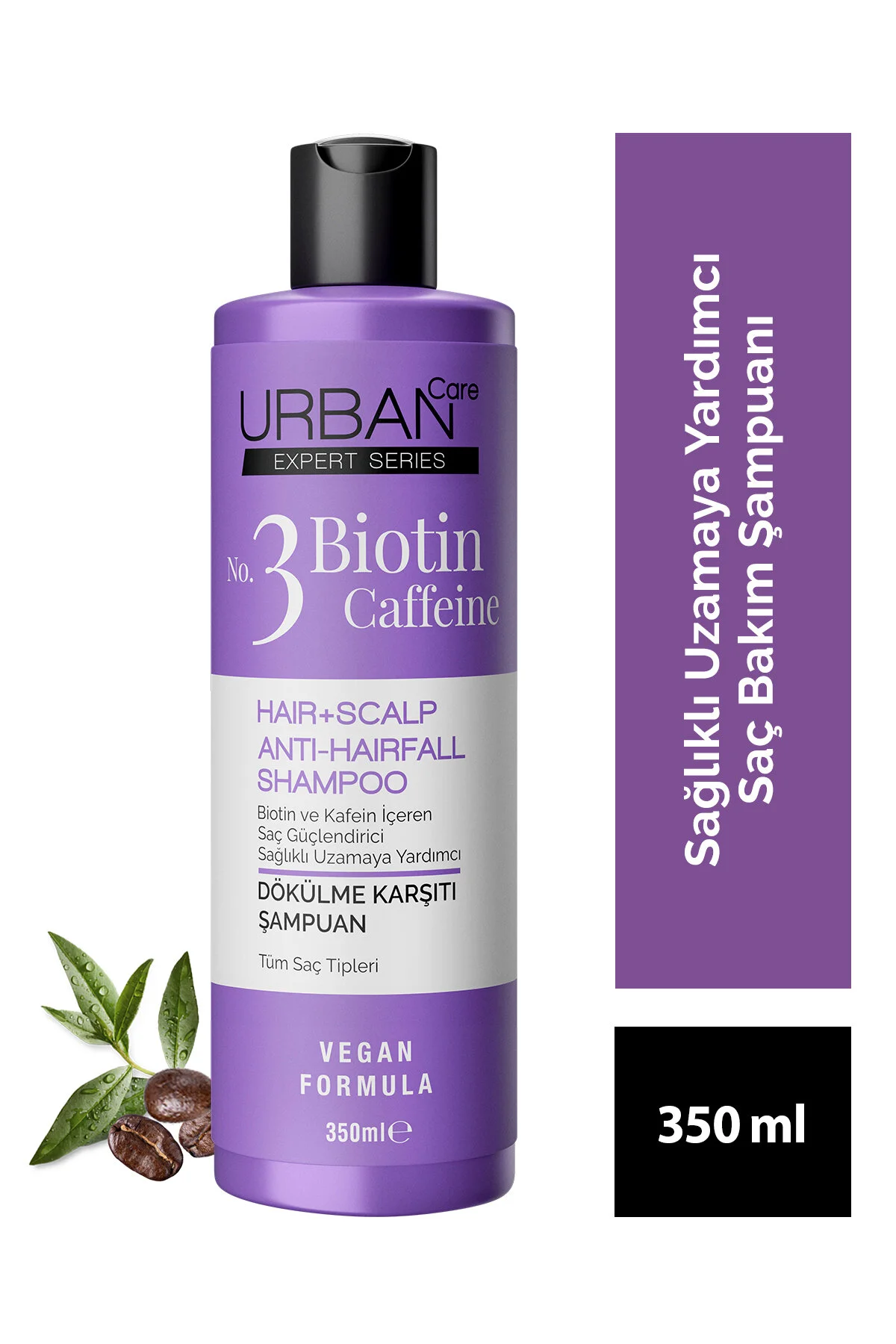
Urban Care Expert Biotin Ve Kafein Dökülme Karşıtı Saç Bakım Şampuanı-hızlı Uzamaya Yardımcı-350 ml
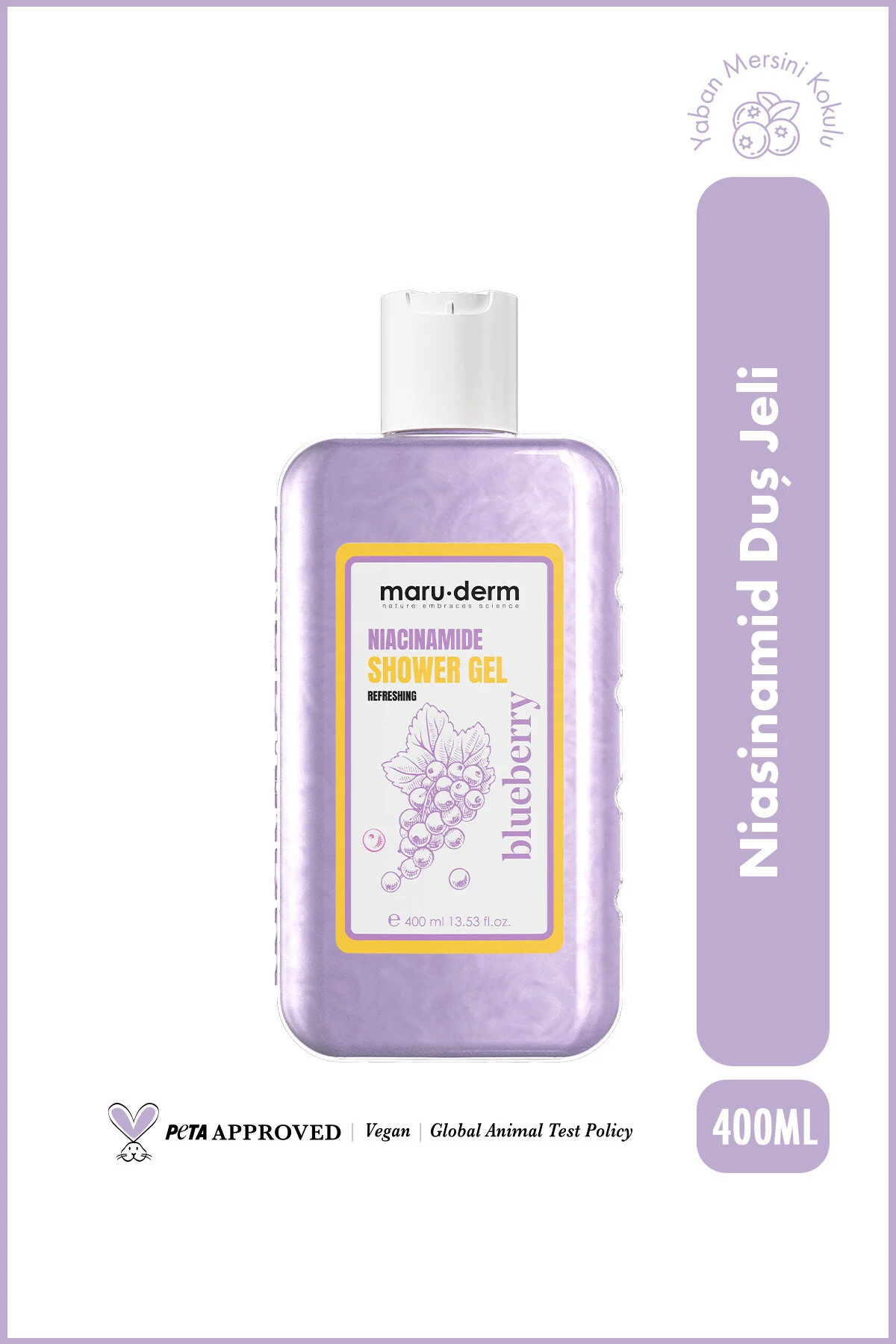
Maru.Derm Niasinamid Duş Jeli 400 ML – Sıkılaştırıcı & Renk Eşitleyici Ferahlatıcı Vücut Jeli
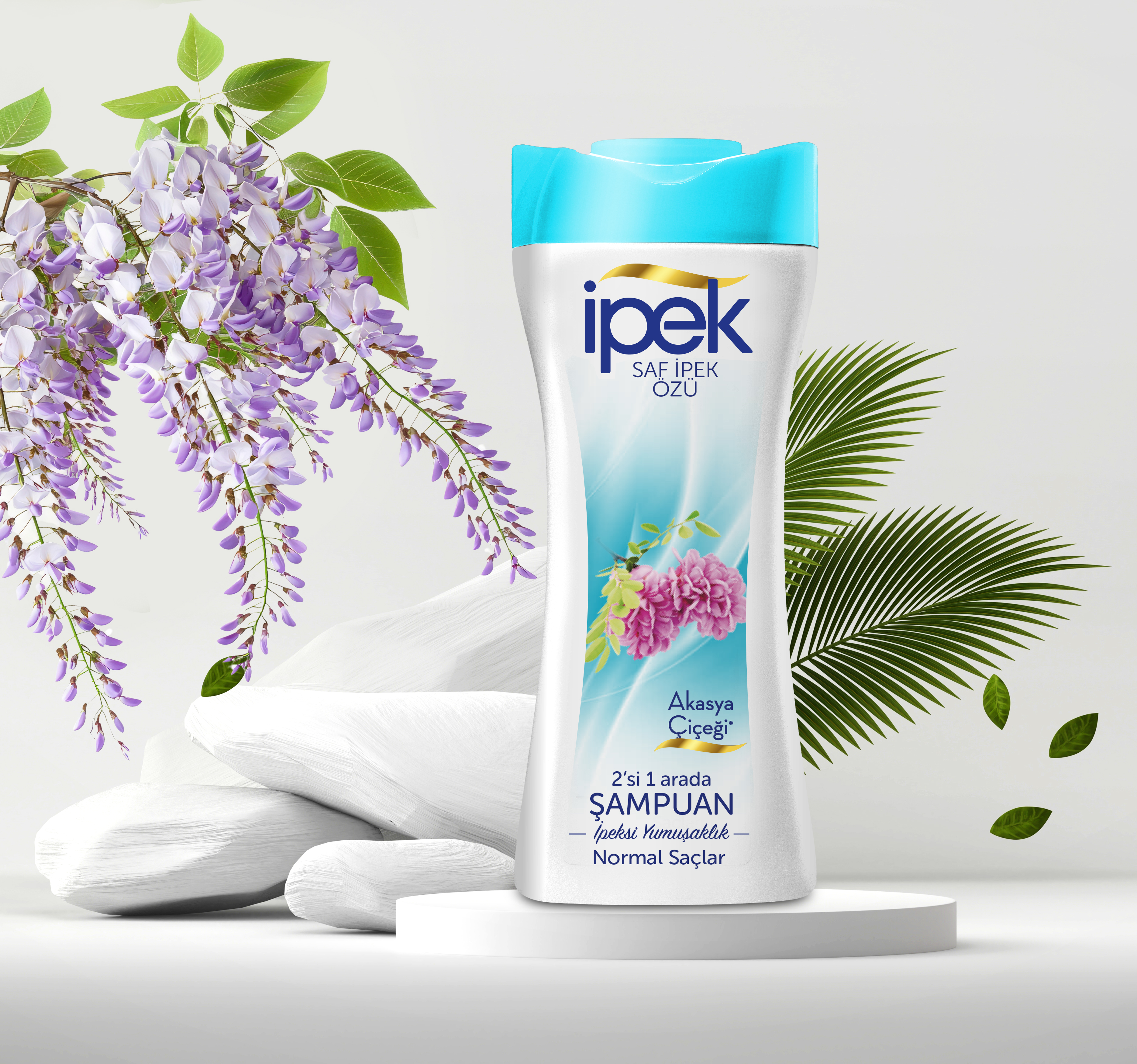
İpek Şampuan Akasya Çiçeği
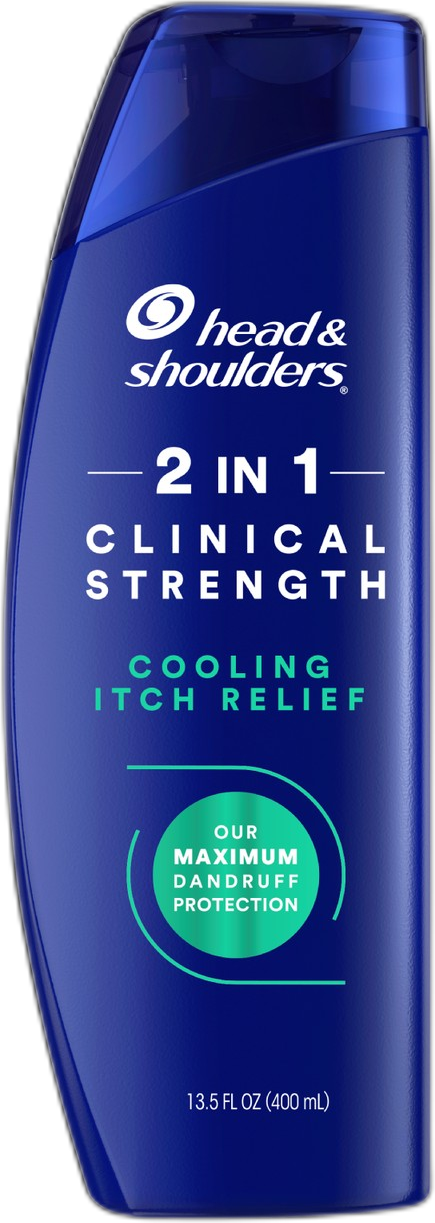
head & shoulders 2 IN 1 Clinical Strength Cooling Itch Relief
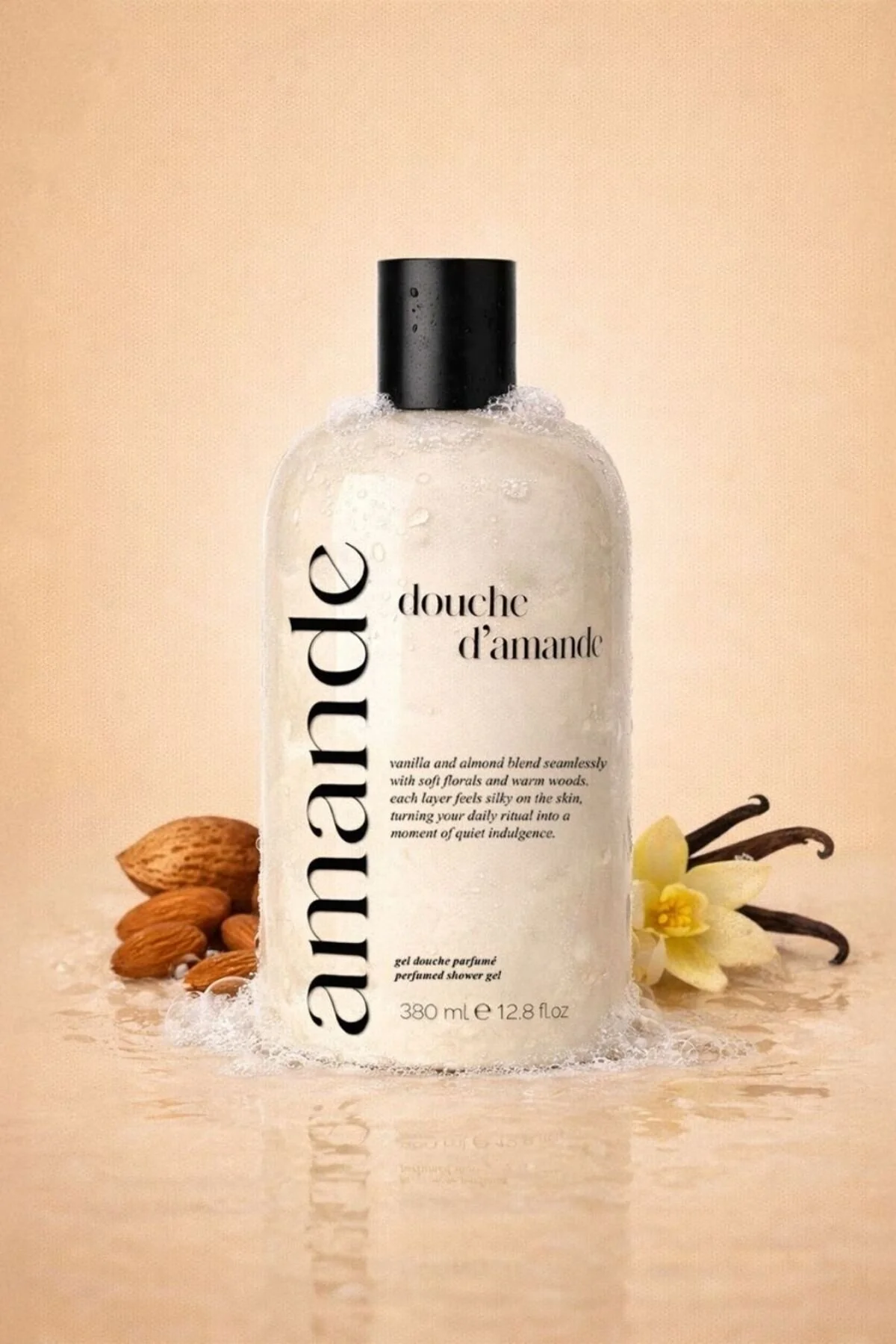
Amande Douche d'Amande Vanilya ve Badem Kokulu Parfümlü Duş Jeli 380ml I Vegan Formül

Head & Shoulders Klasik Bakım Şampuan Klasik Bakım