
BENZYL ALCOHOL
- CAS
- 100-51-6
- EC
- 2028599
- PubChem CID
- 244
- Molecular Formula
- C7H8O
- Molecular Weight
- 108.1400 g/mol
Benzyl alcohol
What does it do?
Used as a preservative in the product and acts as a solvent.
Details
Benzyl alcohol

Benzyl alcohol in cosmetics: preservative or fragrance?
If you've ever checked the ingredient list on creams, lotions, or shampoos, you've probably seen 'benzyl alcohol.' This substance works both as a preservative that protects against microbes and as a fragrance component. Seeing it on a label doesn't usually mean you're dealing with something harmful.
Read the full guide →Function & Use
Perfuming
Viscosity Controlling
Solvent
Preservative
Regulatory note
- EU 1223/2009 Annex IIIRestricted
(a) Solvent (b) Fragrance/ aromatic compositions/ their raw materials --- For purposes other than inhibiting the development of microorganisms in the product. This purpose has to be apparent from the presentation of the product. The presence of the substance shall be indicated in the list of ingredients referred to in Article 19(1), point (g), when its concentration exceeds: - 0,001 % in leave-on products - 0,01 % in rinse-off products.
- EU 1223/2009 Annex VAllowed
Maximum concentration: 1%
What The Sources Say
ToxValDB (EPA Toxicity Value Database)10
EPA ToxValDB skin/eye data - endpoint: Eye Irritation, classification: Category 6.4A (Category 2A). Caveat: this is an aggregated record; dose, species and route of exposure must be considered together.
EPA ToxValDB kanser değerlendirmesi: IN - Inadequate information to assess carcinogenic potential.. Caveat: this is an aggregated record; dose, species and route of exposure must be considered together.
EPA ToxValDB skin/eye data - endpoint: Eye Irritation, classification: Serious eye damage/eye irritation - Category 2. Caveat: this is an aggregated record; dose, species and route of exposure must be considered together.
EPA ToxValDB skin/eye data - endpoint: Skin Irritation, classification: Not classified. Caveat: this is an aggregated record; dose, species and route of exposure must be considered together.
EPA ToxValDB skin/eye data - endpoint: Skin Sensitization, classification: Classification not possible. Caveat: this is an aggregated record; dose, species and route of exposure must be considered together.
+5 more records.
EPA ToxCast (high-throughput in vitro screening)1
EPA ToxCast ER model: NO estrogen receptor activity found (AUC agonist=0, antagonist=0). Tested in 18 in vitro assays. Caveat: this is an in vitro screening model with no dose or exposure context; it does NOT mean an effect occurs in humans at cosmetic use levels.
Products Containing This Ingredient
Eyüp Sabri Tuncer Doğal Zeytinyağlı Şampuan

Hyp Me Hyp Me Bebek Saç Maskarası 7 ml

Urban Care Urban Care Brazilian Keratin Düzleştirici Etkili Saç Bakım Şampuanı 350 ml

Lip Smacker Lip Smacker Dudak Kremi Pamuk Prenses

Lip Smacker Lip Smacker Dudak Kremi Elsa

Urban Care Urban Care Brazilian Keratin Düzleştirici Etkili Yoğun Saç Bakım Maskesi 230 ml

Tommy Hilfiger Tommy Hilfiger Tommy Girl EDT Kadın Parfüm 100 ml

Axe Axe Number 10 Erkek Sprey Deodorant Limited Edition 150 ml

Colgate Colgate Max White Mor Renk Teknolojisi Anında Beyazlık Etkisi Diş Macunu 75 ml

Dove Dove Kadın Roll On Deodorant Original 1/4 Nemlendirici Krem Etkili 50 ml
So Fly Aloe Vera Bakım Yapan Temizleme Köpüğü
Vaseline Günlük Güneş Koruyucu Stick SPF 50+ 15 g
NIVEA Değerli Yağlar Içeren Nemlendirici Vücut Losyonu 400ml, Kiraz Çiçeği, Jojoba Yağı, Kuru Cilt Tipleri
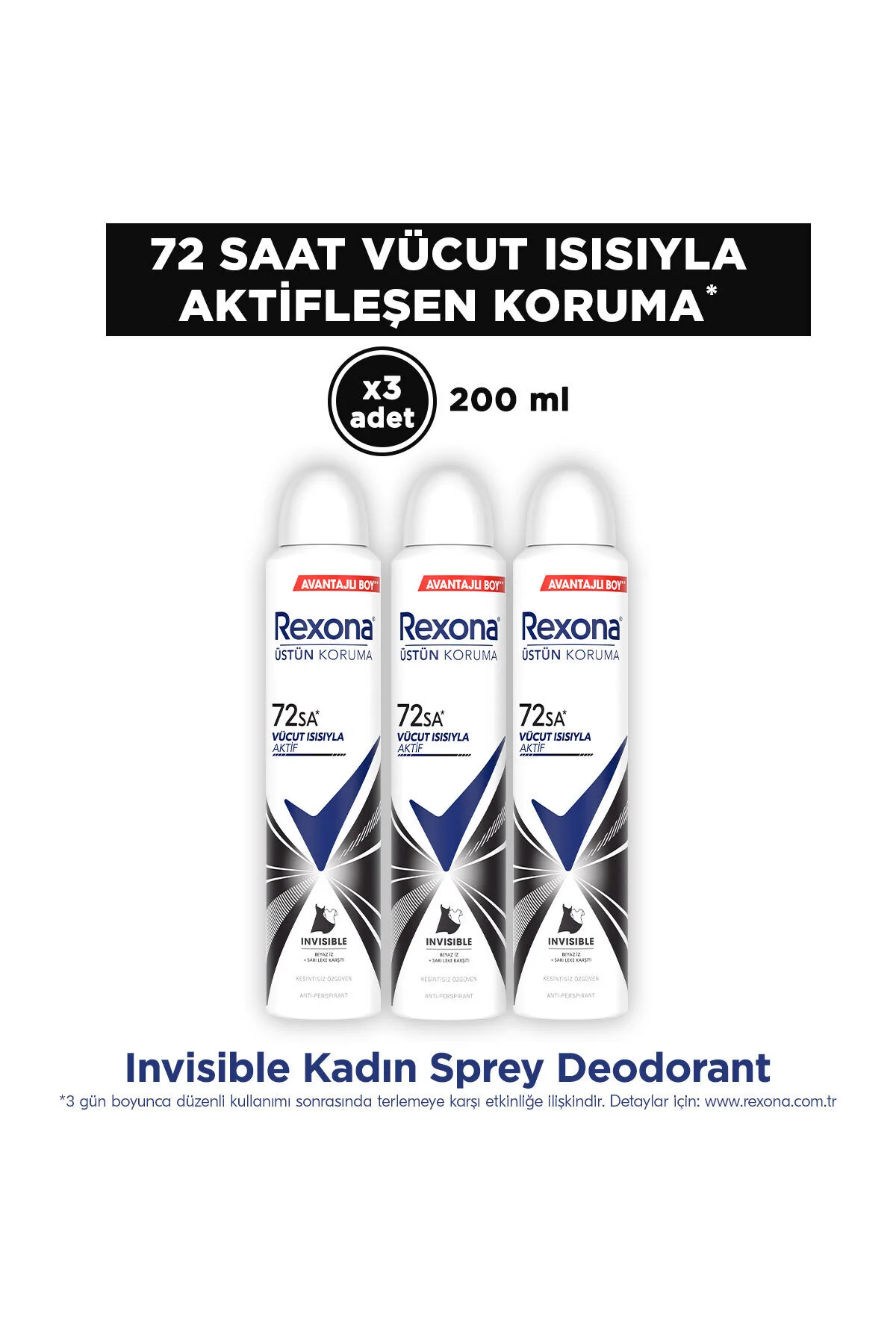
Rexona Kadın Sprey Deodorant Invisible Beyaz İz Sarı Leke Karşıtı 72 Saat Kesintisiz Üstün Koruma 20
Maru.Derm Yağ Bazlı Temizleyici 400 ML - Yüz Ve Vücut Için Temizleme Yağı
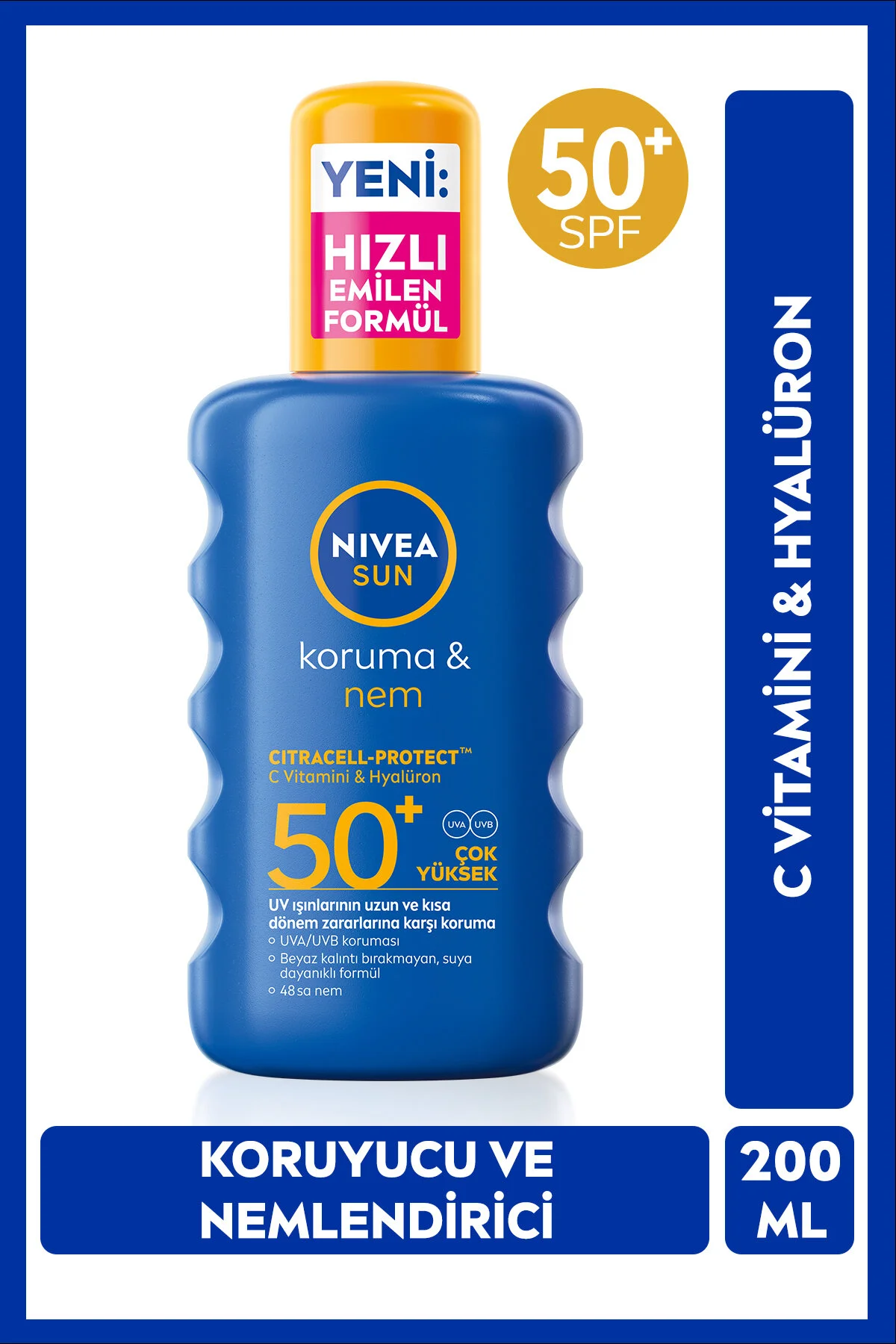
NIVEA SUN SPF50+ Yüksek Güneş Koruyucu ve Nemlendirici Sprey 200ml, Suya Dayanıklı, Yeni Nesil UV Filtresi
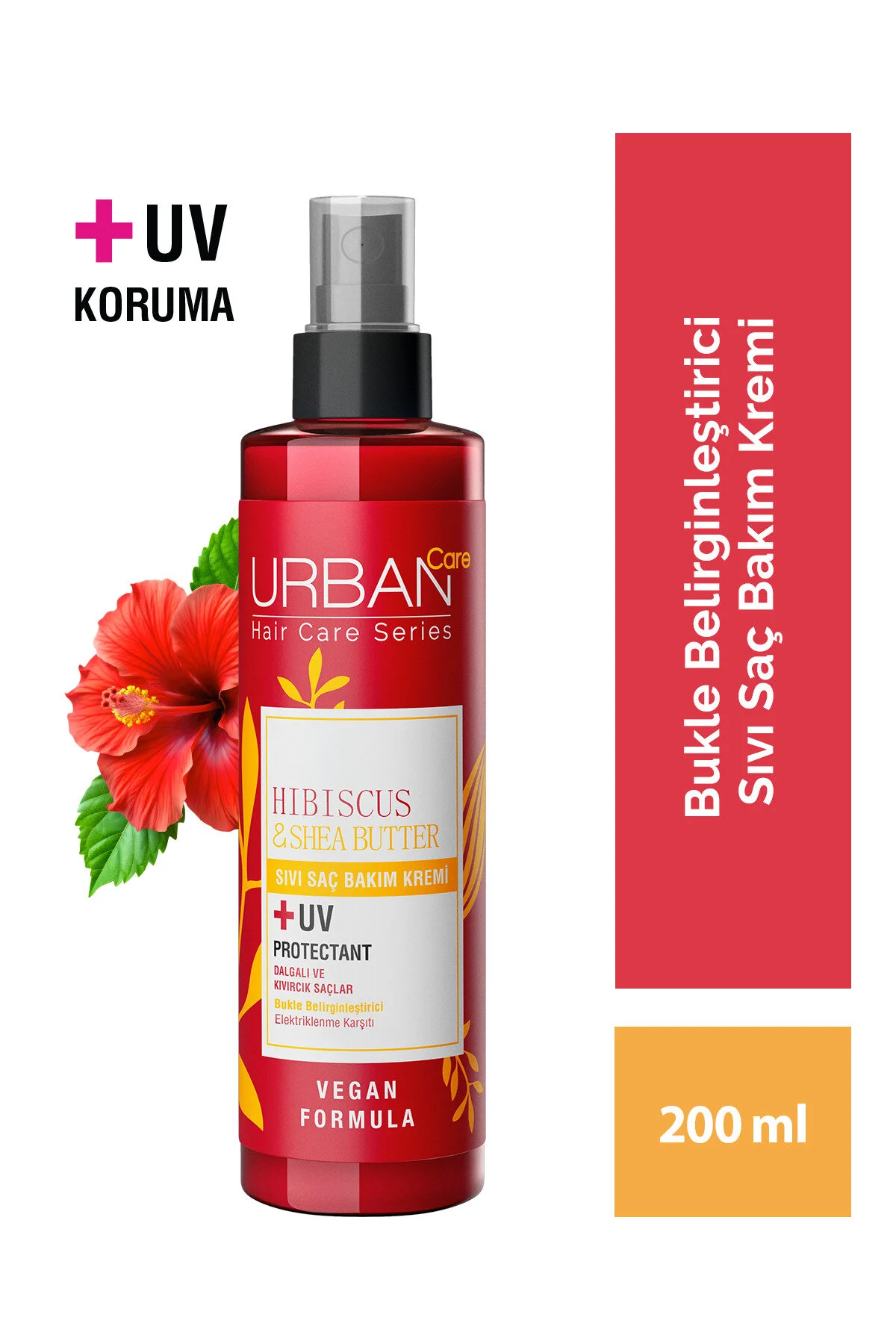
Urban Care Hibiscus&shea Butter Kıvırcık Ve Dalgalı Saçlara Özel Sıvı Saç Bakım Kremi-vegan-200 ml
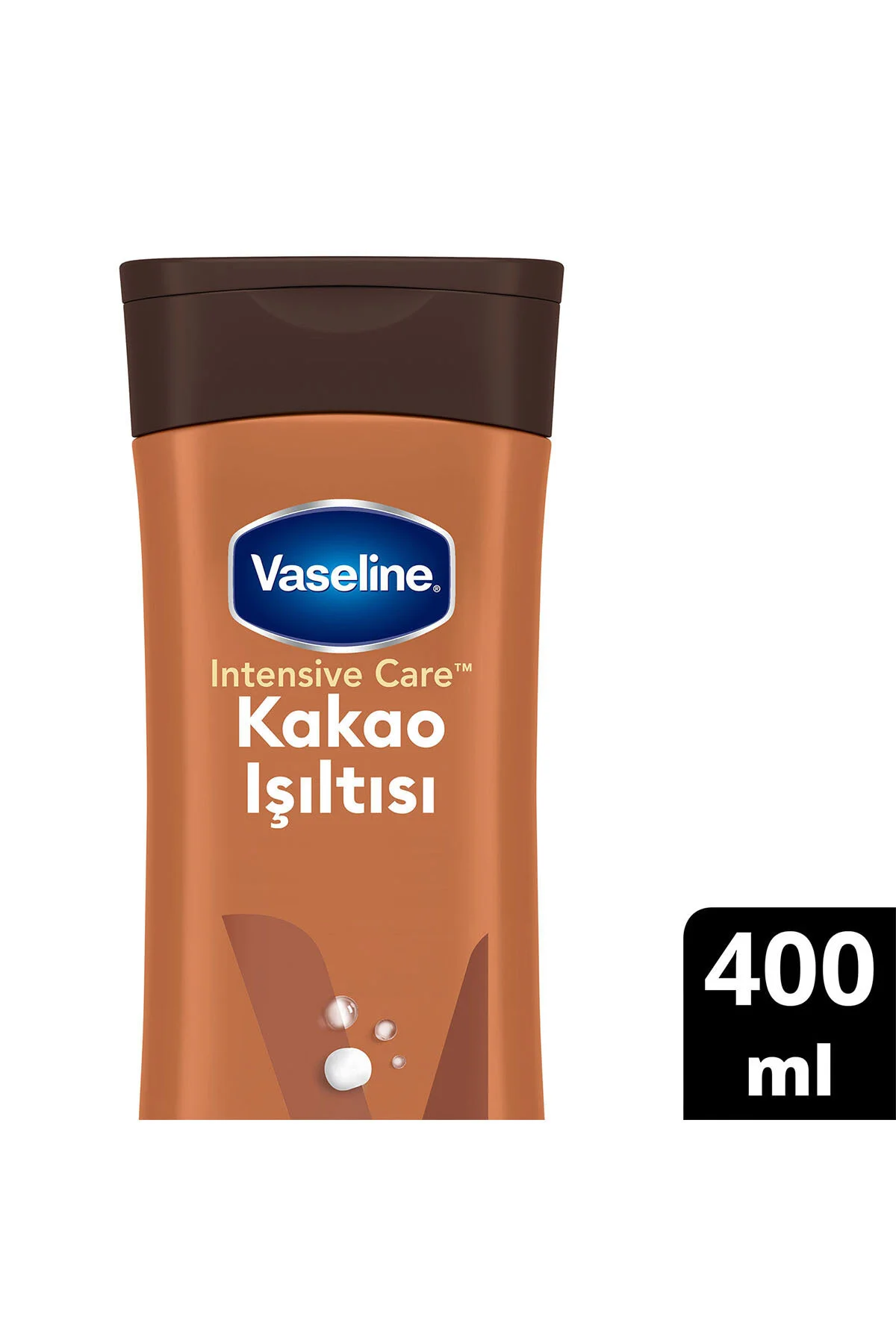
Vaseline Vücut Losyonu Kakao Işıltısı Parlaklığını Kaybetmiş ve Kuru Ciltler İçin 400 ml
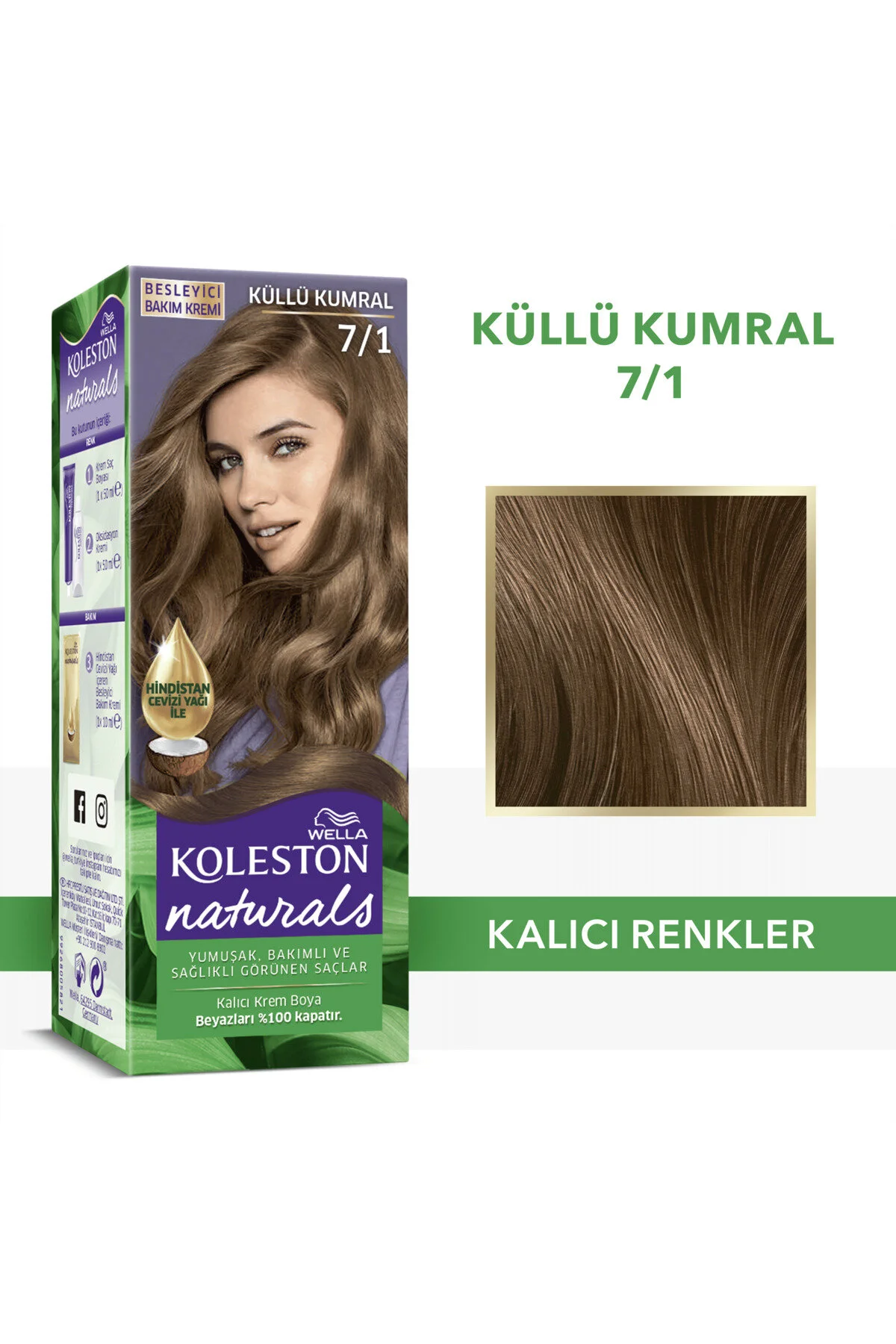
Wella Koleston Naturals 7/1 Kumral Saç Boyası
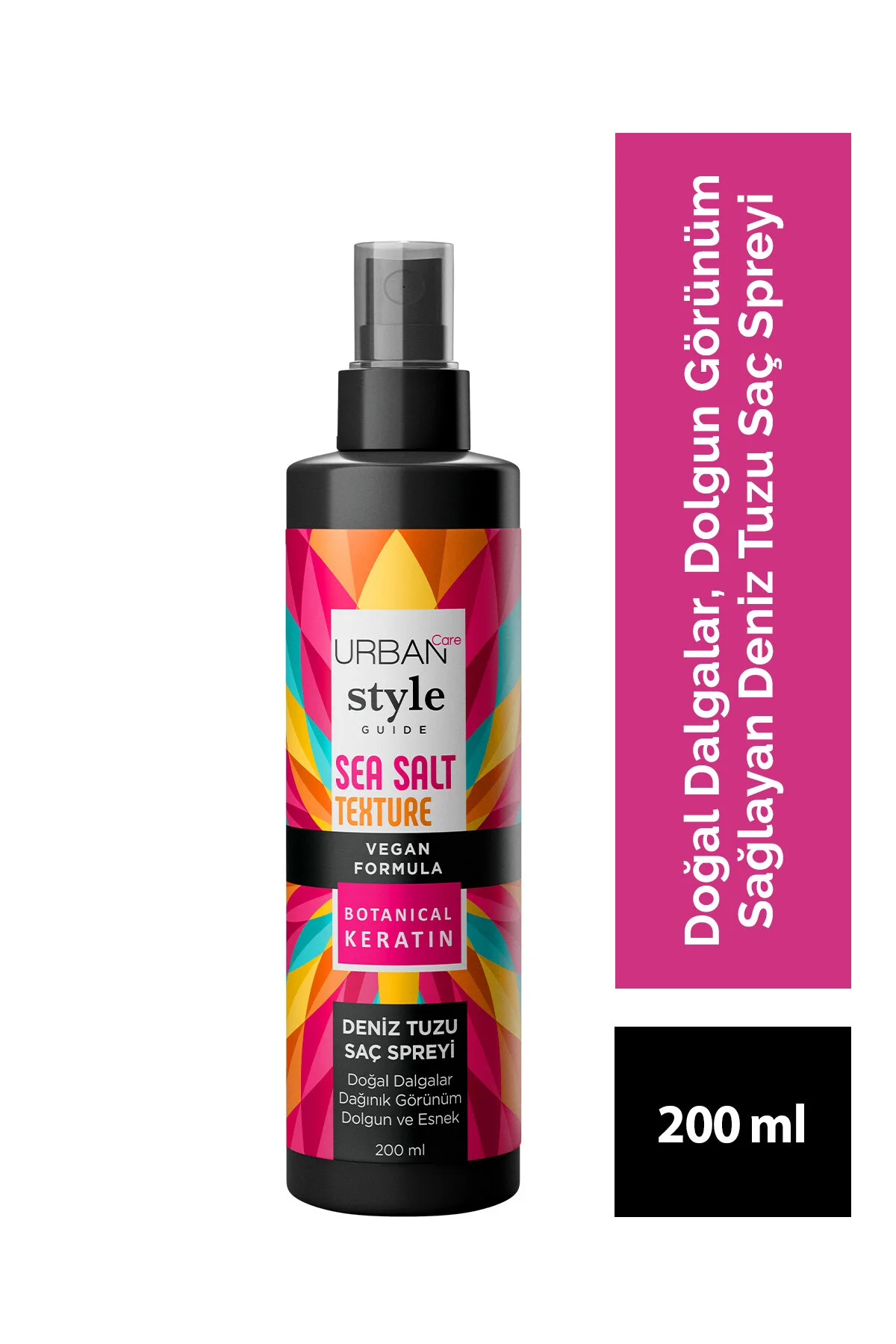
Urban Care Style Guide Deniz Tuzu Etkili Doğal Dalga Sağlayan Saç Spreyi-vegan-200ml-Sea Salt Spray-Doğal Şekil
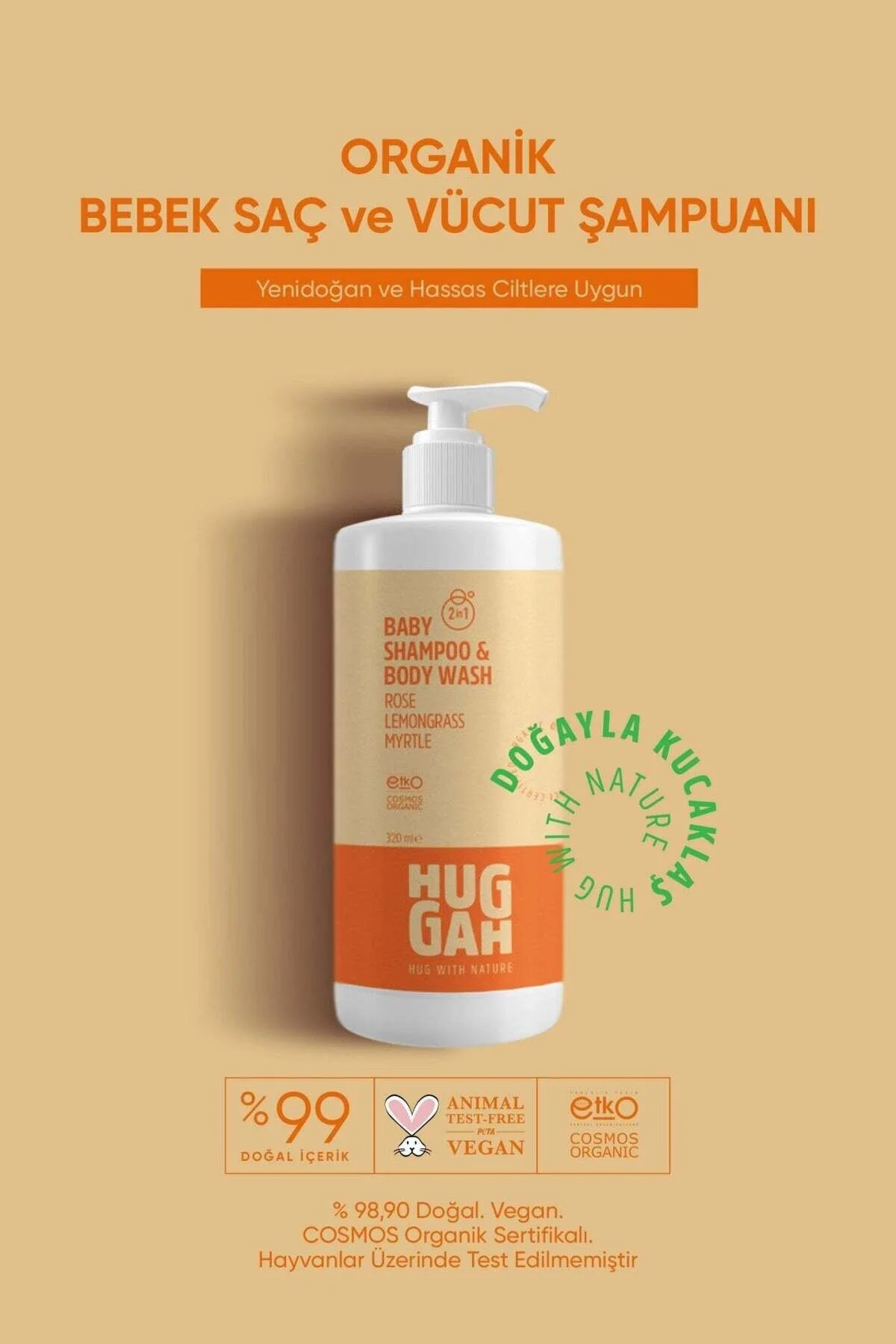
Huggah Organik Bebek Saç ve Vücut Şampuanı(2in1) 320ml–Hassas Cilt-Göz Yakmayan-Konak Karşıtı-Kolay Tarama
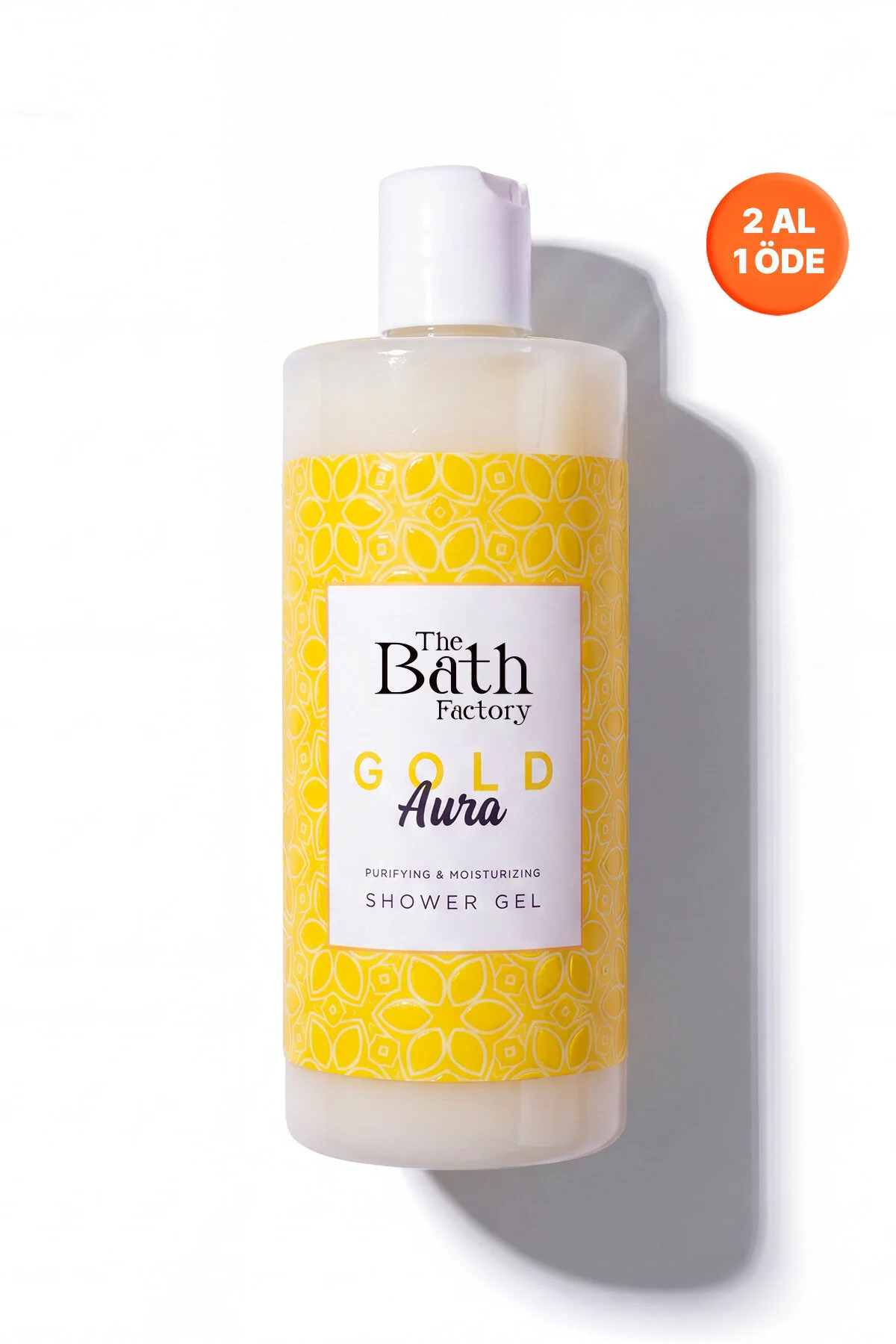
THE BATH FACTORY Nemlendirici ve Besleyici Gold Aura Duş Jeli 400 ml
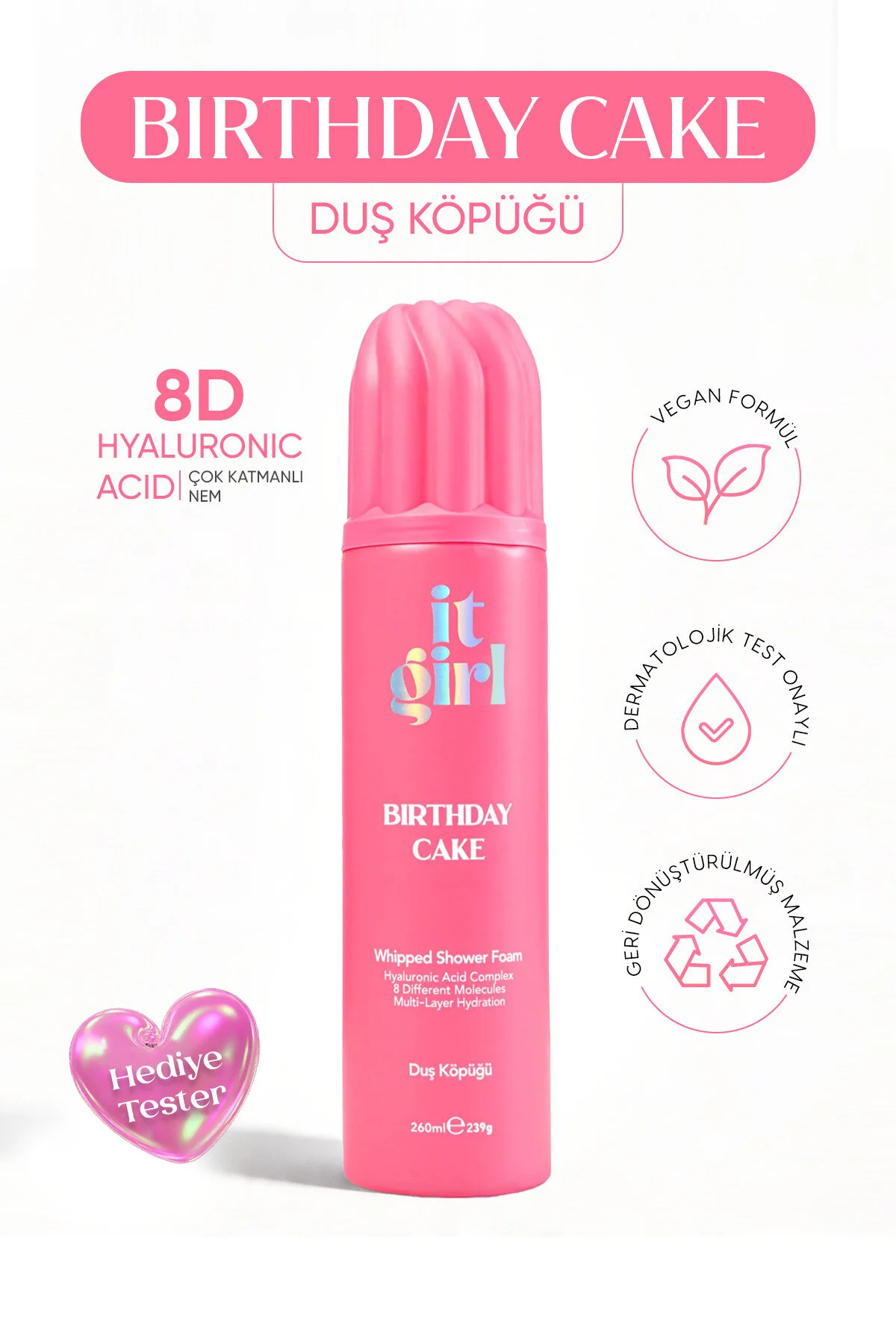
It Girl Birthday Cake Köpük Duş Jeli 260 ML Whipped Shower Foam - Şekerli Çiçek Kokusu
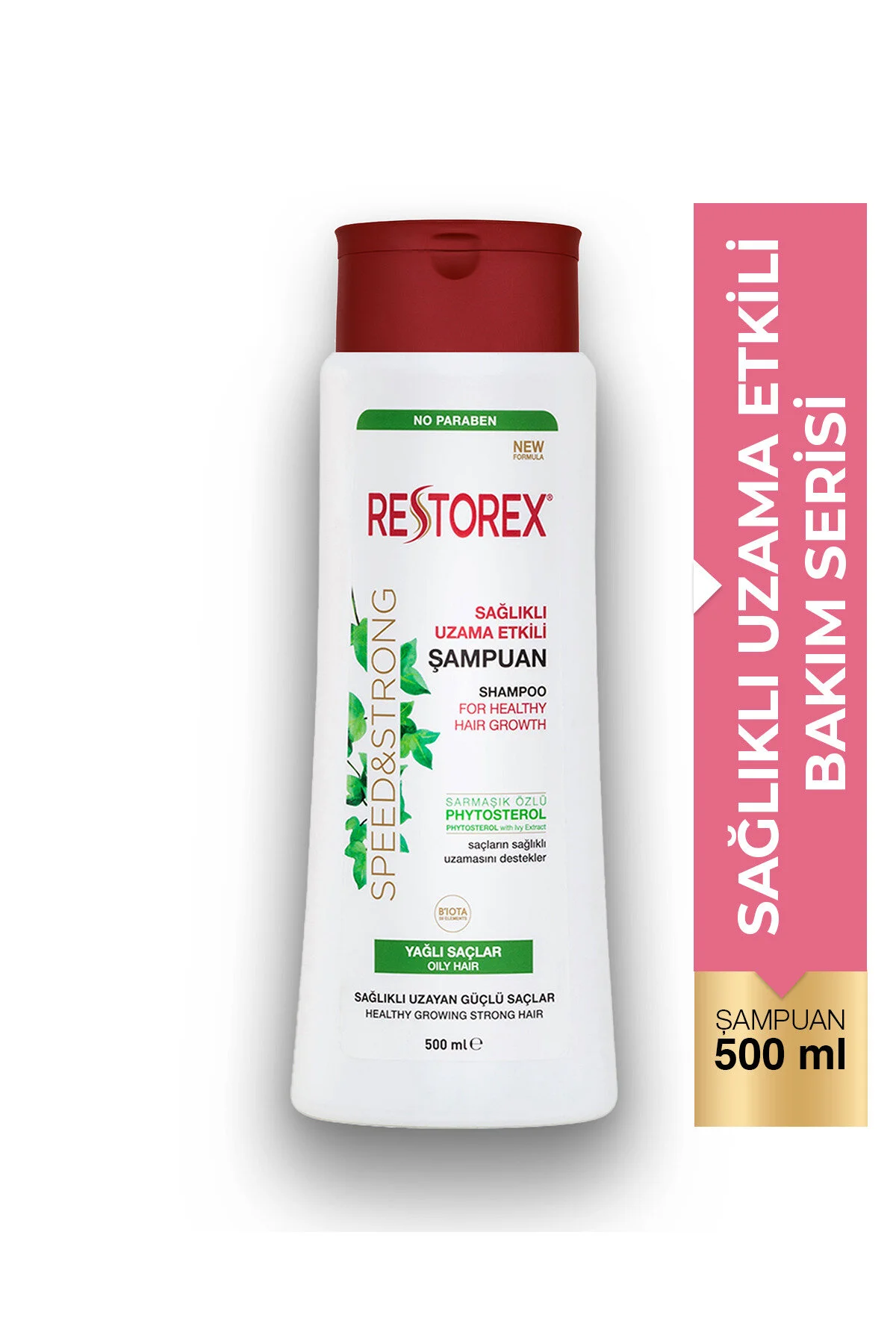
Restorex Şampuan 500 Ml İnce Telli Ve Yağlı Saçlar