
ACID BLUE 9
- CAS
- 3844-45-9
- PubChem CID
- 19700
- Molecular Formula
- C37H34N2Na2O9S3
- Molecular Weight
- 792.9000 g/mol
Dihydrogen (ethyl)[4-[4-[ethyl(3-sulphonatobenzyl)]amino]-2'-sulphonatobenzhydrylidene]cyclohexa-2,5-dien-1-ylidene](3-sulphonatobenzyl)ammonium, disodium salt (CI 42090)
What does it do?
Provides a blue color to the product.
Details
Dihydrogen (ethyl)[4-[4-[ethyl(3-sulphonatobenzyl)]amino]-2'-sulphonatobenzhydrylidene]cyclohexa-2,5-dien-1-ylidene](3-sulphonatobenzyl)ammonium, disodium salt (CI 42090)

Acid Blue 9: The Blue Dye in Your Hair Color
You've seen "Acid Blue 9" on a hair dye ingredient list. The same substance appears as E133 on food labels. What do we know about this synthetic blue dye?
Read the full guide →Function & Use
Hair Dyeing
Cosmetic Colorant
Regulatory note
- EU 1223/2009 Annex IIIRestricted
Maximum concentration: 0.5%
What The Sources Say
SCCS (EU Scientific Committee on Consumer Safety)1
EU 1223/2009 Annex III - SCCS opinion: Opinion on Acid Blue 9
IARC (International Agency for Research on Cancer)1
IARC Grup 3 - Kanserojenliği sınıflandırılamıyor. The available evidence is insufficient for a classification. This does NOT mean 'safe'; it means 'not enough data'. (Monograph volume: 16, Sup 7). Sınır: IARC TEHLİKE sınıflandırması yapar, RİSK değil - 'bir koşulda kansere yol açabilir' der, 'kozmetikteki kullanım seviyesinde kanser yapar' DEMEZ. Maruziyet yolu ve dozu ayrıca değerlendirilmelidir. Data is a 01/2021 snapshot.
ToxValDB (EPA Toxicity Value Database)7
EPA ToxValDB skin/eye data - endpoint: skin sensitisation: in vivo (LLNA), classification: Not likely to be sensitizing, species: mouse, study: skin sensitization, guideline: equivalent or similar to OECD Guideline 429 (Skin Sensitisation: Local Lymph Node Assay), year: 2004. Caveat: this is an aggregated record; dose, species and route of exposure must be considered together.
EPA ToxValDB skin/eye data - endpoint: eye irritation: in vivo, classification: Studies Indicate No Significant Irritation, species: rabbit, study: eye irritation, guideline: OECD Guideline 405 (Acute Eye Irritation / Corrosion) equivalent or similar to, year: 1982. Caveat: this is an aggregated record; dose, species and route of exposure must be considered together.
EPA ToxValDB skin/eye data - endpoint: skin irritation: in vivo, classification: Studies Indicate No Significant Irritation, species: rabbit, study: skin irritation, guideline: OECD Guideline 404 (Acute Dermal Irritation / Corrosion) equivalent or similar to, year: 1982. Caveat: this is an aggregated record; dose, species and route of exposure must be considered together.
EPA ToxValDB genotoxicity: positive - positive reports: 14, negative: 6, Ames: positive, micronucleus: positive. Caveat: this is an aggregated record; dose, species and route of exposure must be considered together.
EPA ToxValDB kanser değerlendirmesi: 3 - Not classifiable as to its carcinogenicity to humans. Caveat: this is an aggregated record; dose, species and route of exposure must be considered together.
+2 more records.
EPA ToxCast (high-throughput in vitro screening)1
EPA ToxCast ER model: NO estrogen receptor activity found (AUC agonist=0, antagonist=0.000382). Tested in 18 in vitro assays. Caveat: this is an in vitro screening model with no dose or exposure context; it does NOT mean an effect occurs in humans at cosmetic use levels.
Scientific References
- IARC Monografları - FD&C Blue No. 1 (Grup 3 - Kanserojenliği sınıflandırılamıyor)IARC - WHO Uluslararası Kanser Araştırmaları Ajansı
- IARC Monographs, List of Classifications (agents classified, 2026-09 (Volumes 1-140))International Agency for Research on Cancer, WHO
- Opinion on Acid Blue 9SCCS - Scientific Committee on Consumer Safety
Products Containing This Ingredient
THE BATH FACTORY Nemlendirici ve Besleyici Sweet Vanilla Duş Jeli 400 ml
Restorex Şampuan 500 Ml İnce Telli Ve Yağlı Saçlar
Clear Men Kepeğe Karşı Etkili Şampuan Günlük Arınma ve Ferahlık 350 ml x3
THE BATH FACTORY Nemlendirici Ve Besleyici Liberty Duş Jeli 400 ml
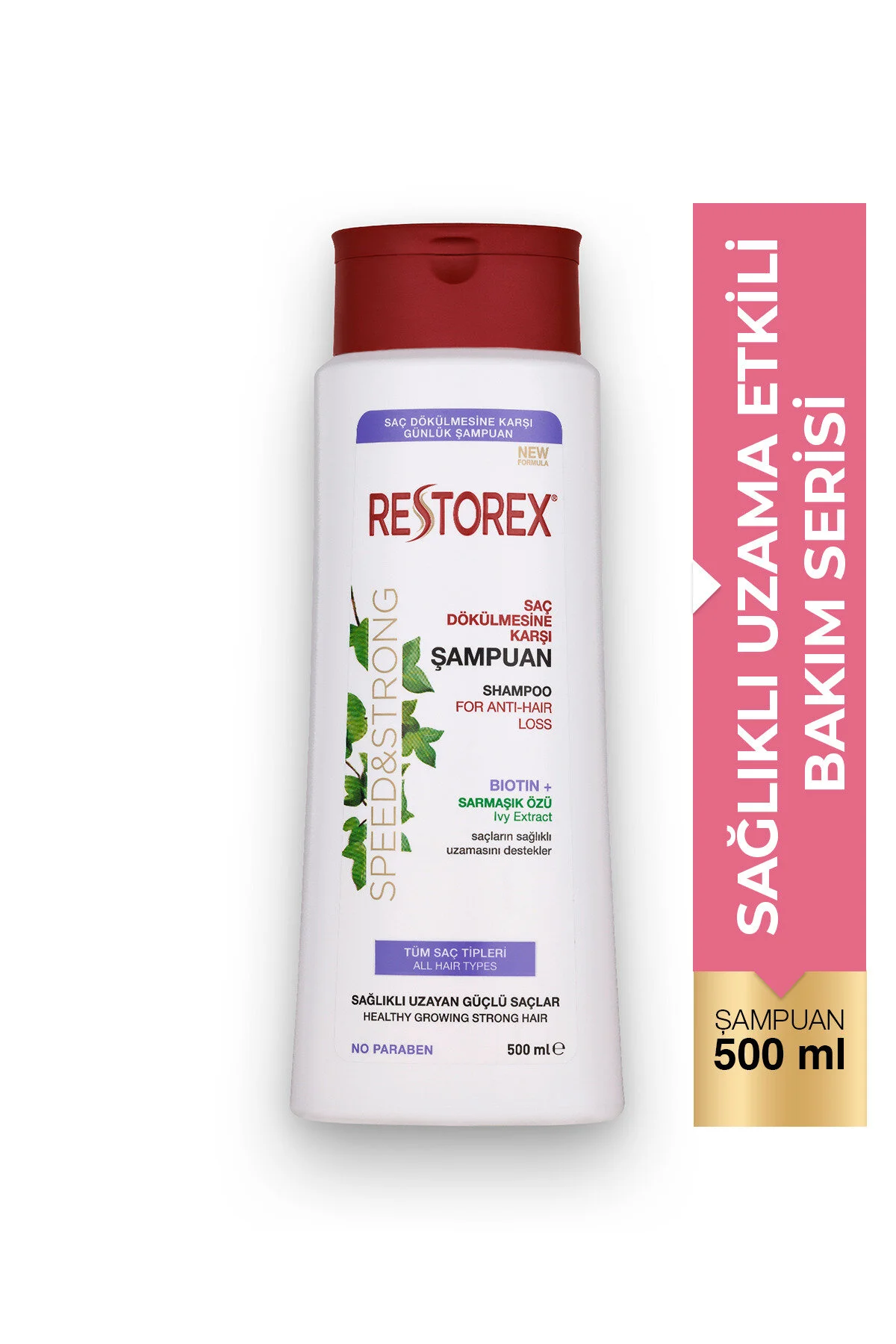
Restorex Speed Strong Saç Dökülmesine Karşı Şampuan 500 ml - Sarmaşık Özlü, Sağlıklı Uzama, Dökülme Karşıtı
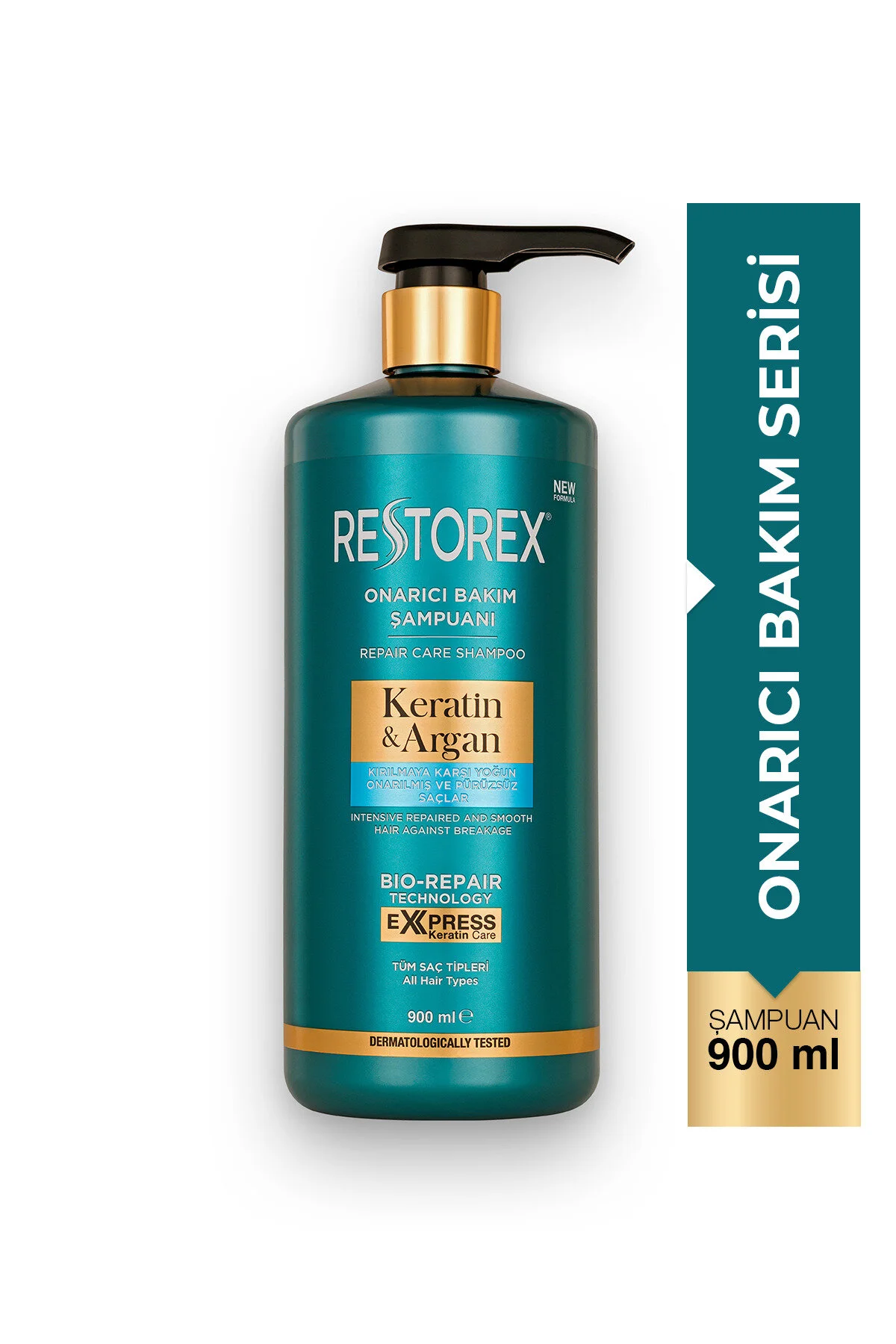
Restorex Keratin & Argan Onarıcı Şampuan 900 ml – Kırılma Karşıtı Güçlendirme
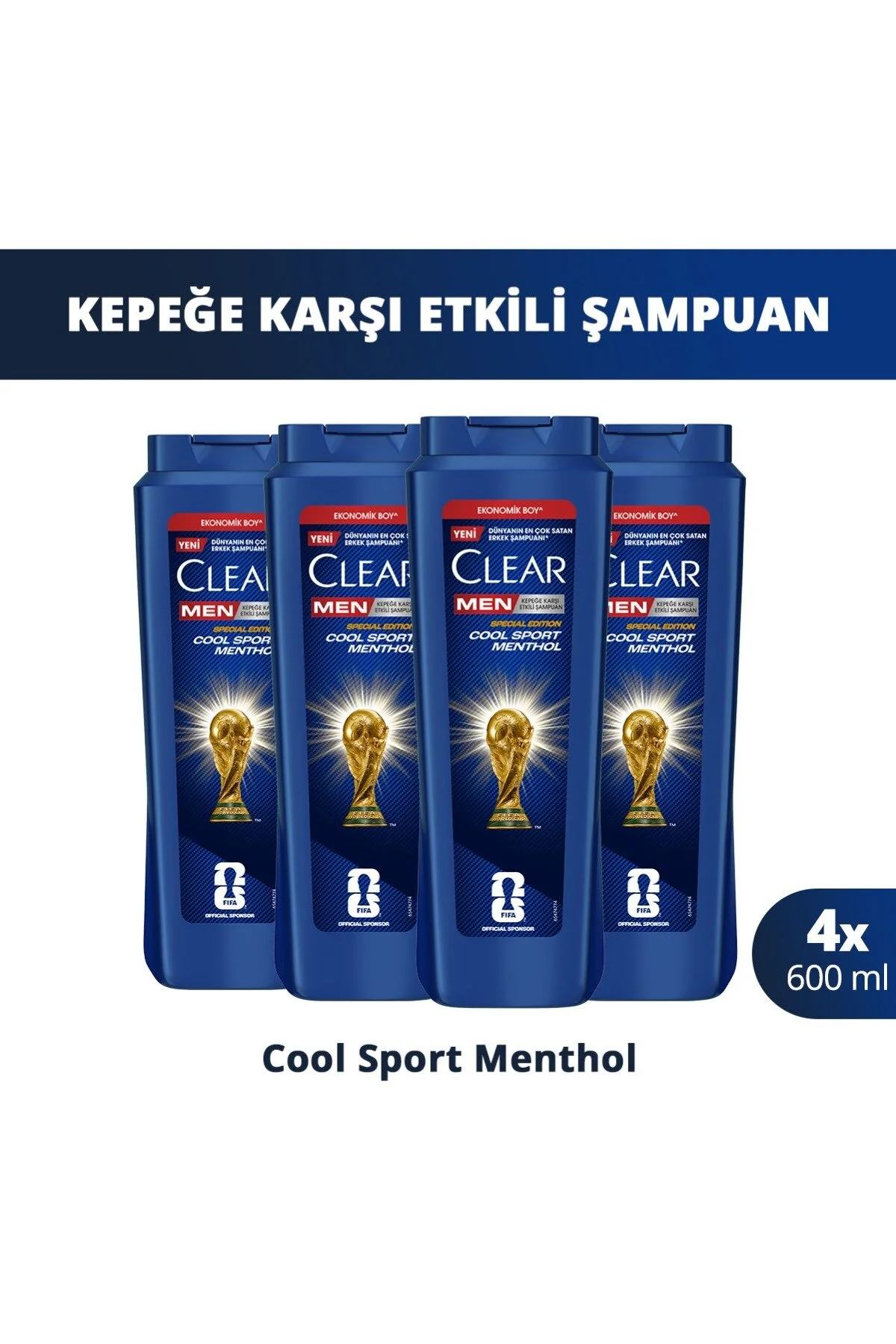
Clear Men Kepeğe Karşı Etkili Şampuan Cool Sport Menthol 600 ml x4
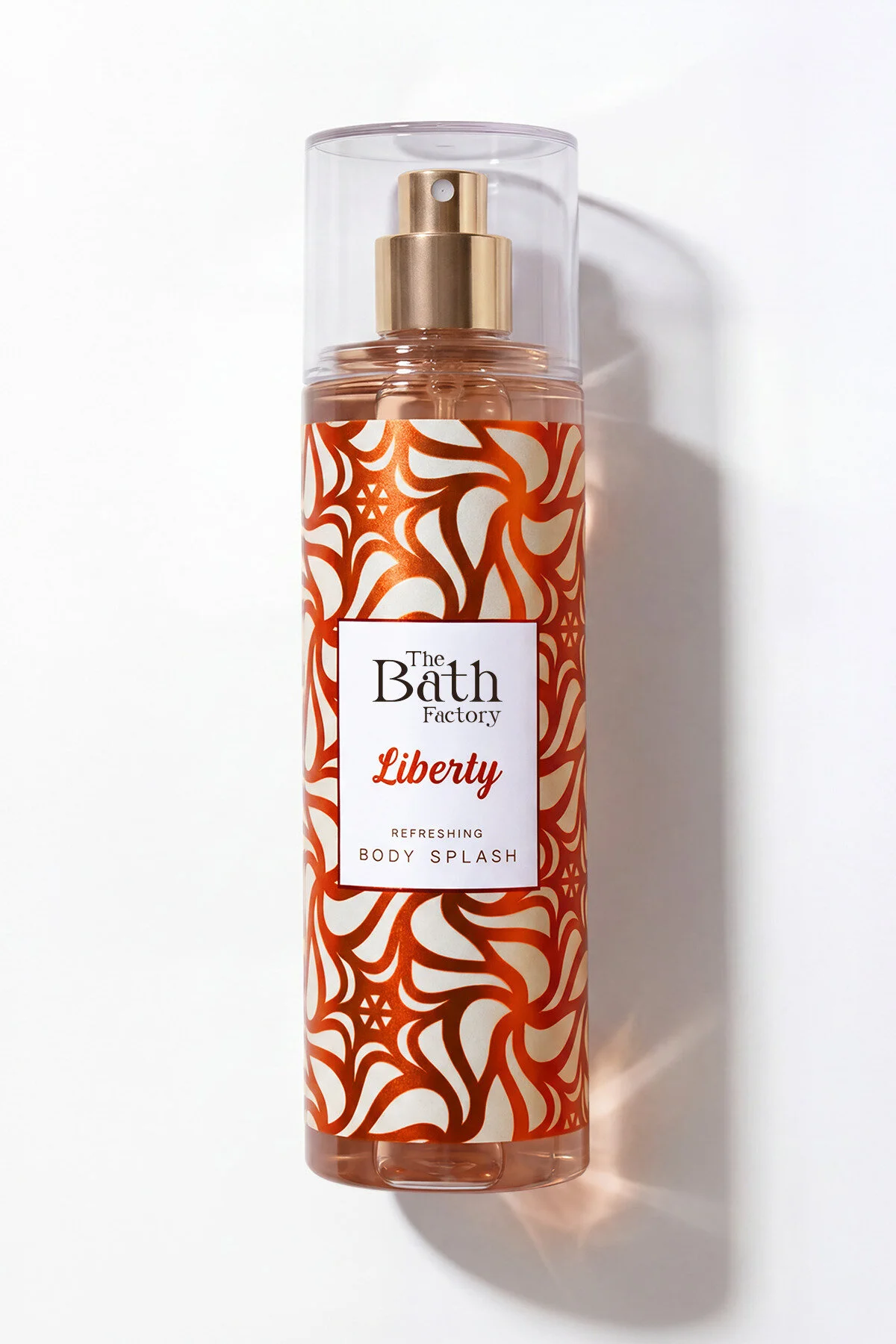
THE BATH FACTORY Liberty Vücut Spreyi 200 ML
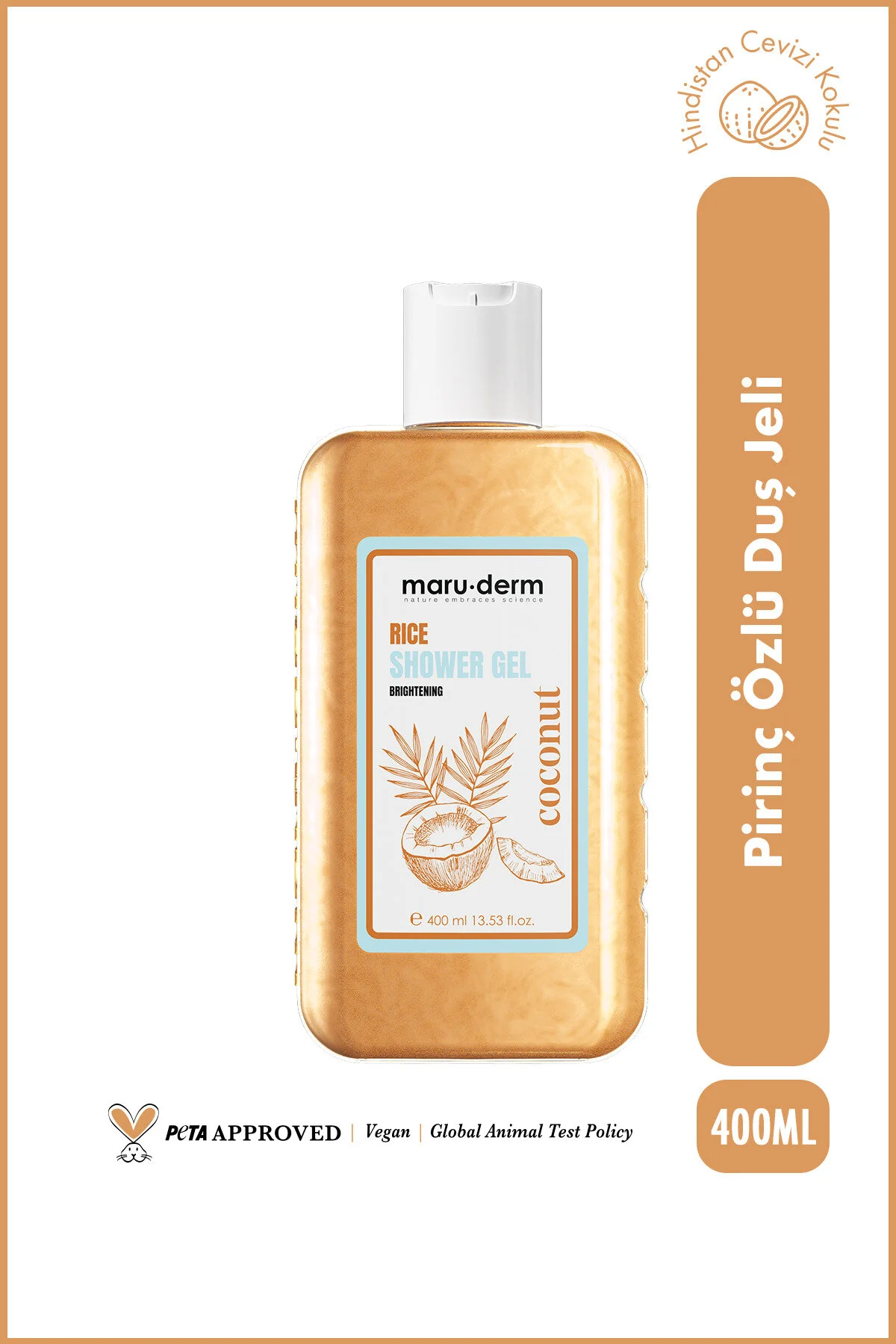
Maru.Derm Pirinç Özlü Duş Jeli 400 ML – Aydınlatıcı & Yumuşatıcı Formül | Parlak ve Pürüzsüz Cilt İçin
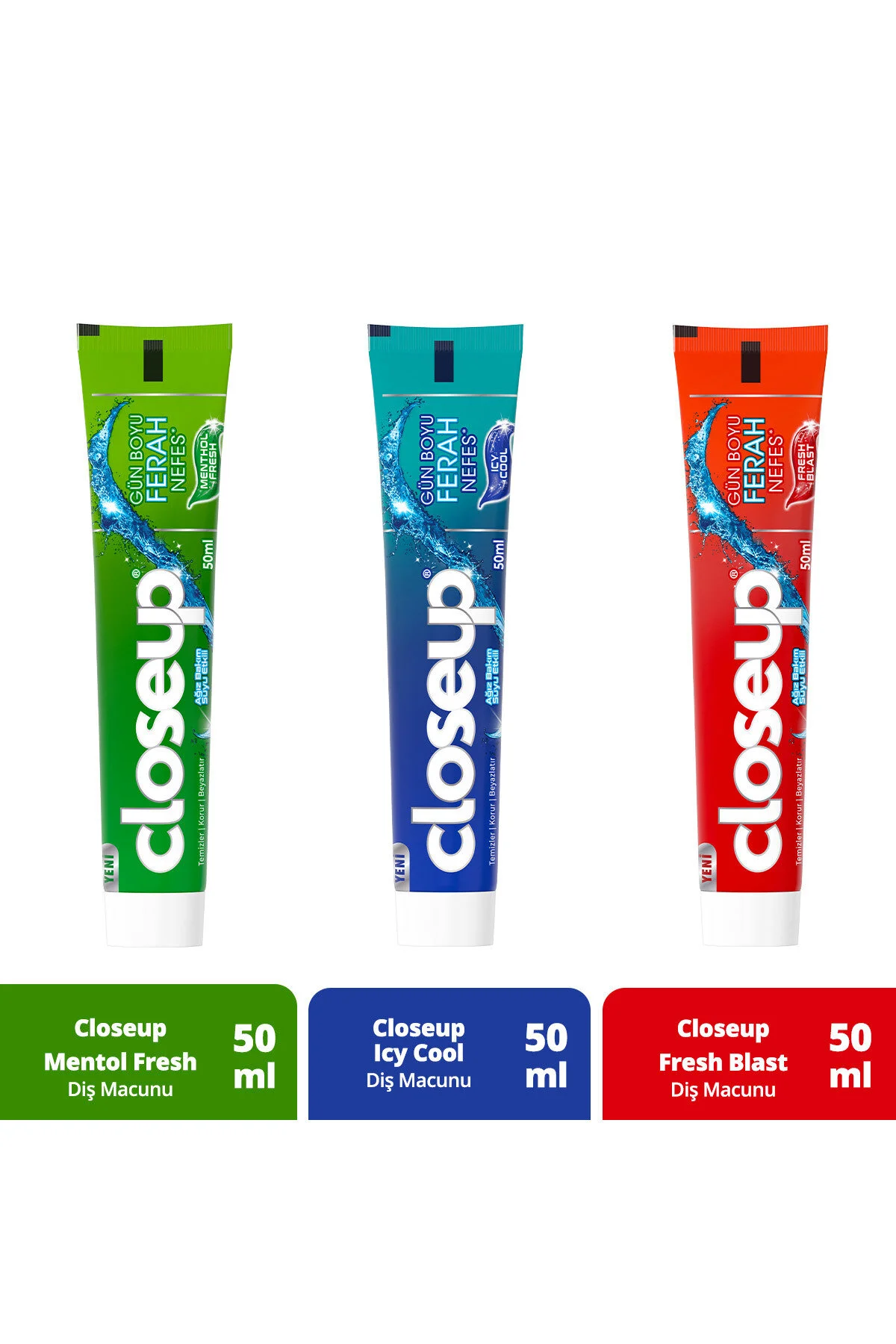
Closeup Diş Macunu Fresh Blast 50 ml Diş Macunu Icy Cool 50 ml Diş Macunu Mentho
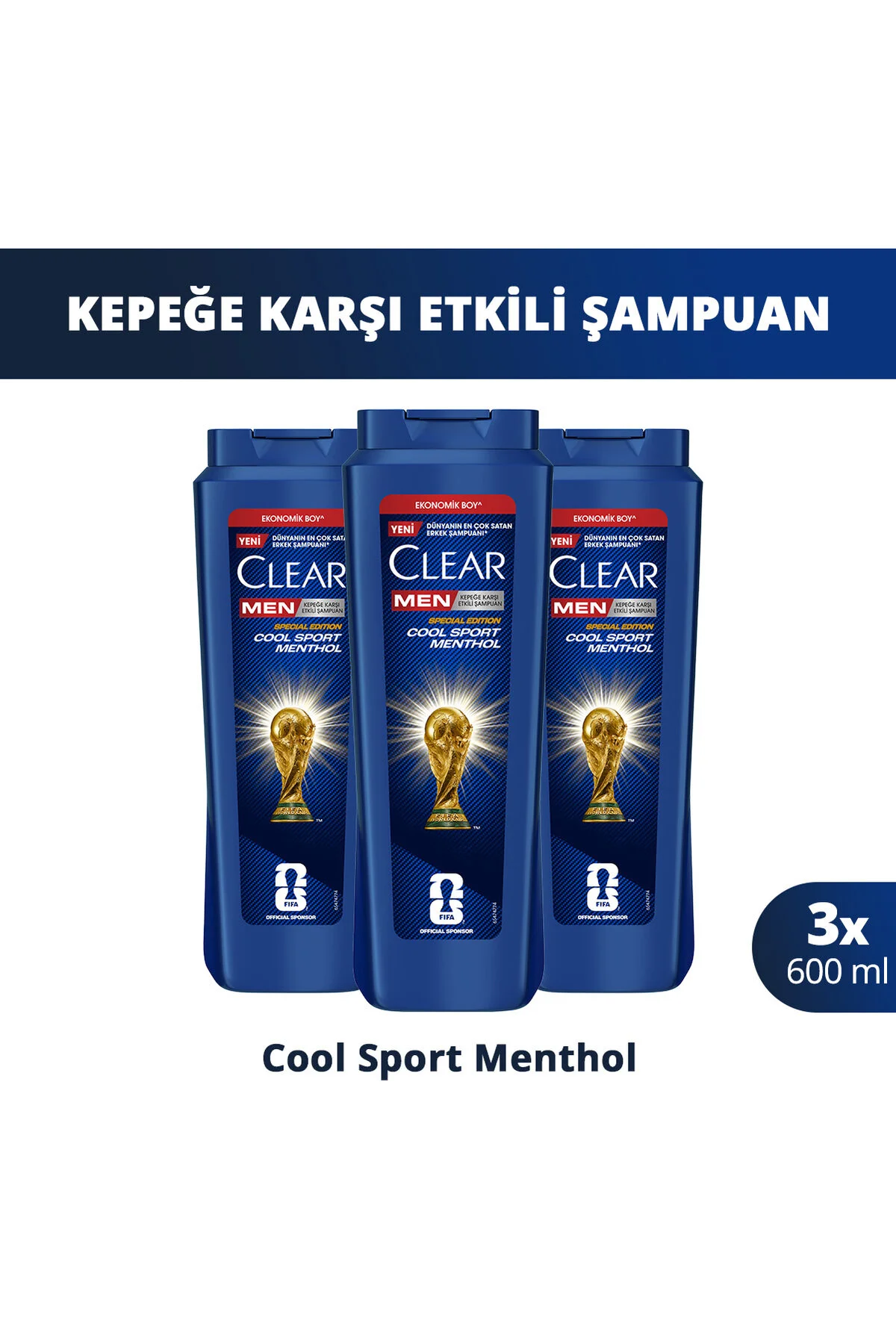
Clear Men Kepeğe Karşı Etkili Şampuan Cool Sport Menthol 600 ml x3
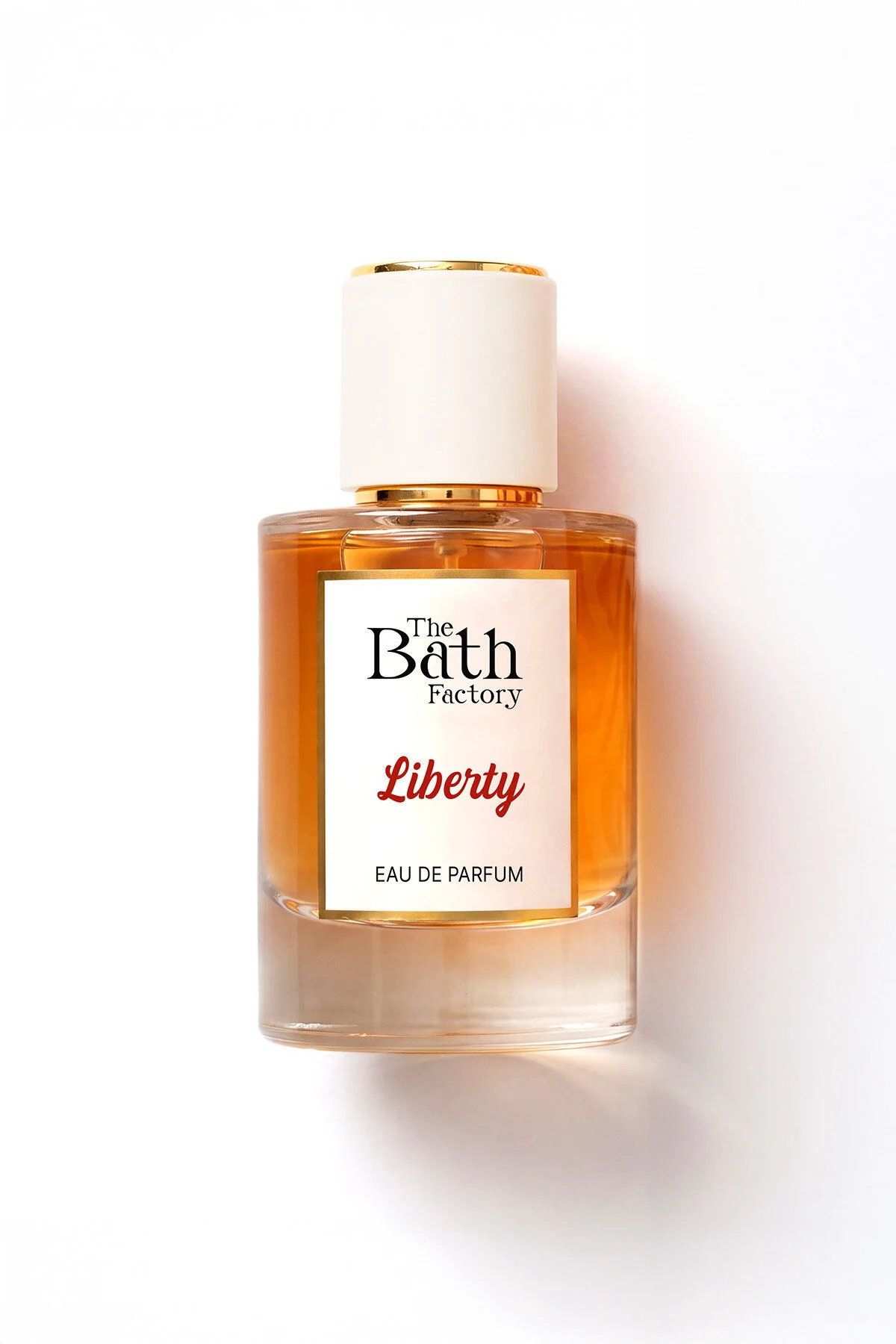
THE BATH FACTORY Liberty Eau De Parfüm 50 Ml
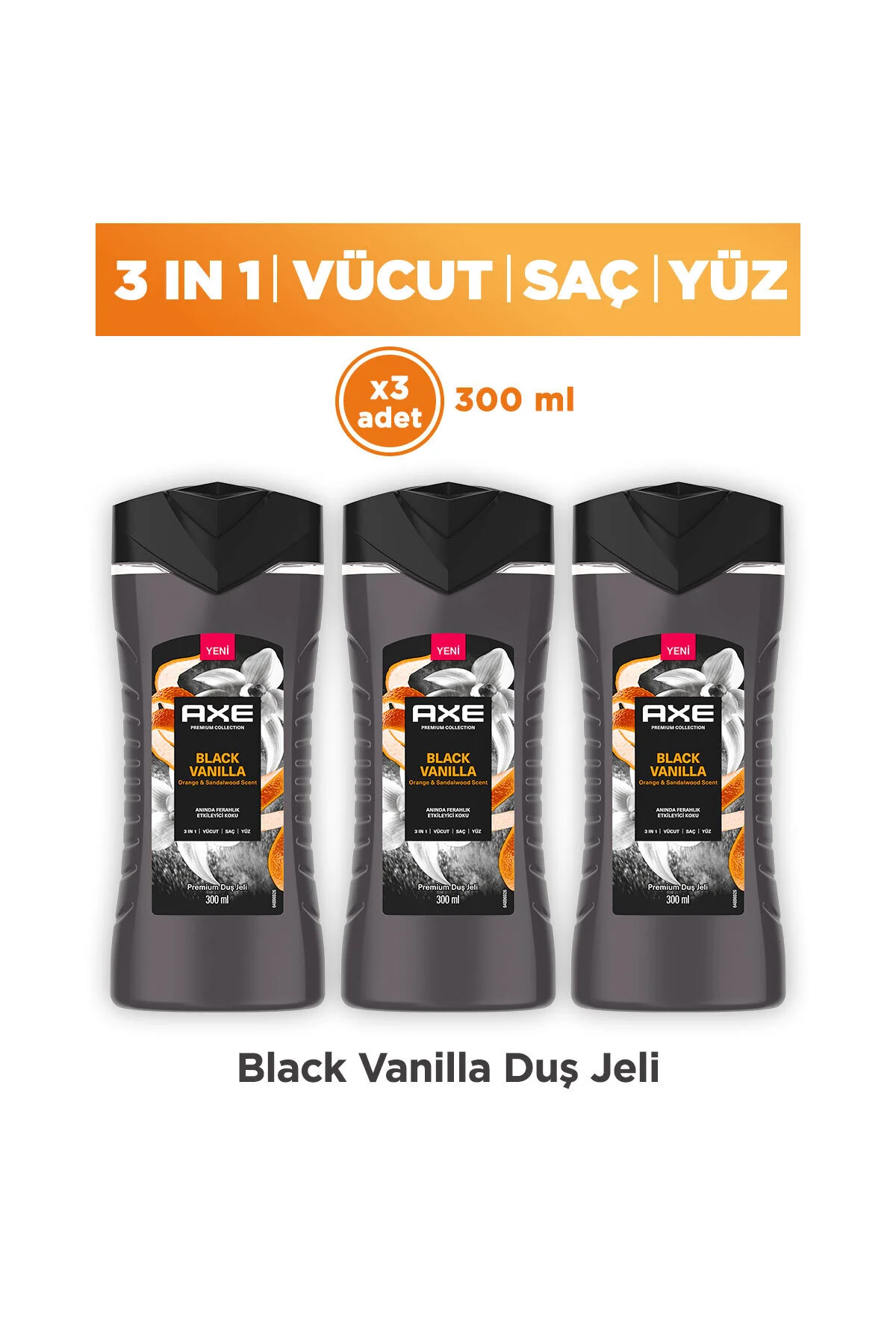
Axe Duş Jeli Black Vanilla 3 in 1 Vücut Saç Yüz 300 ml x3
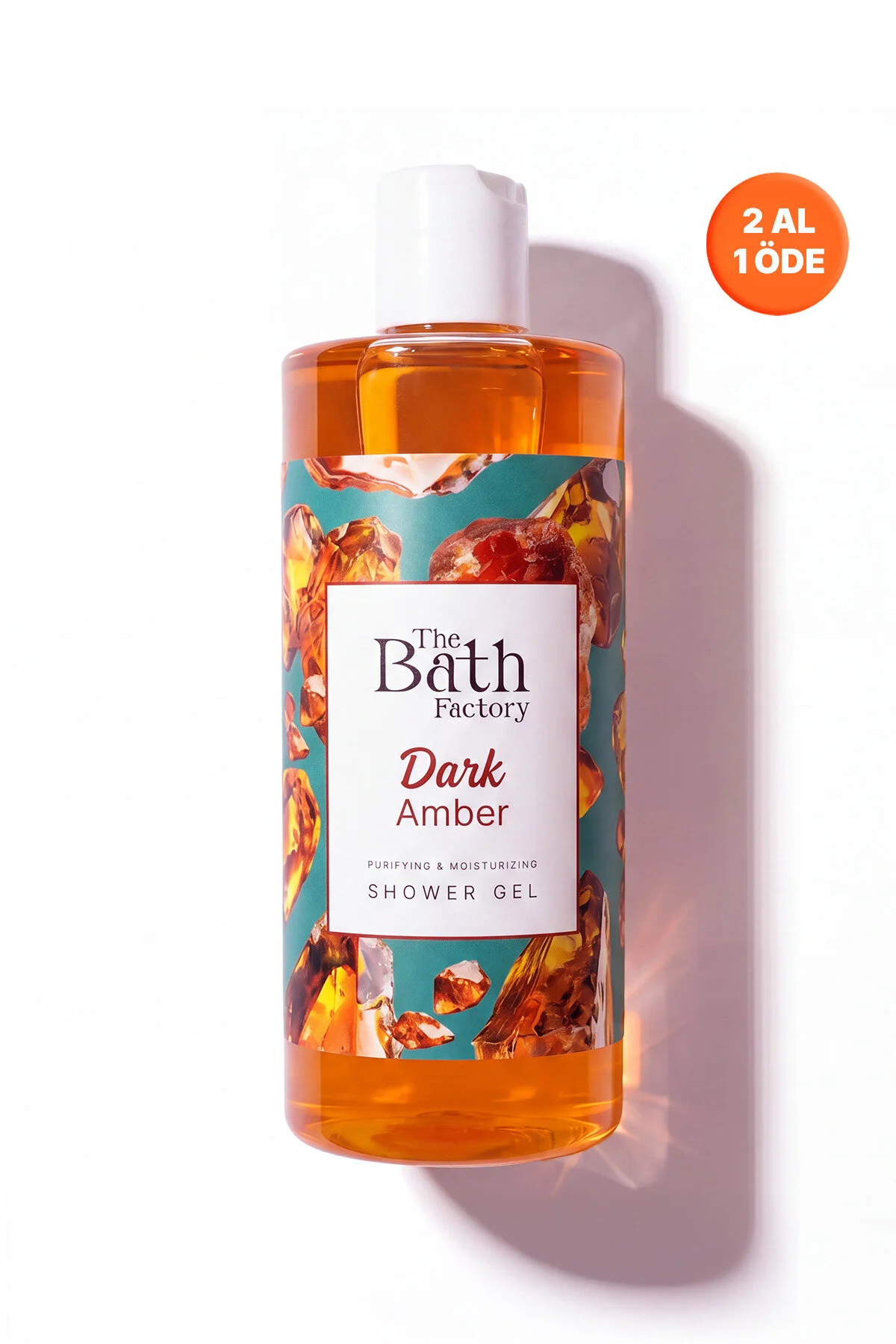
THE BATH FACTORY Nemlendirici ve Besleyici Dark Amber Duş Jeli 400 ml
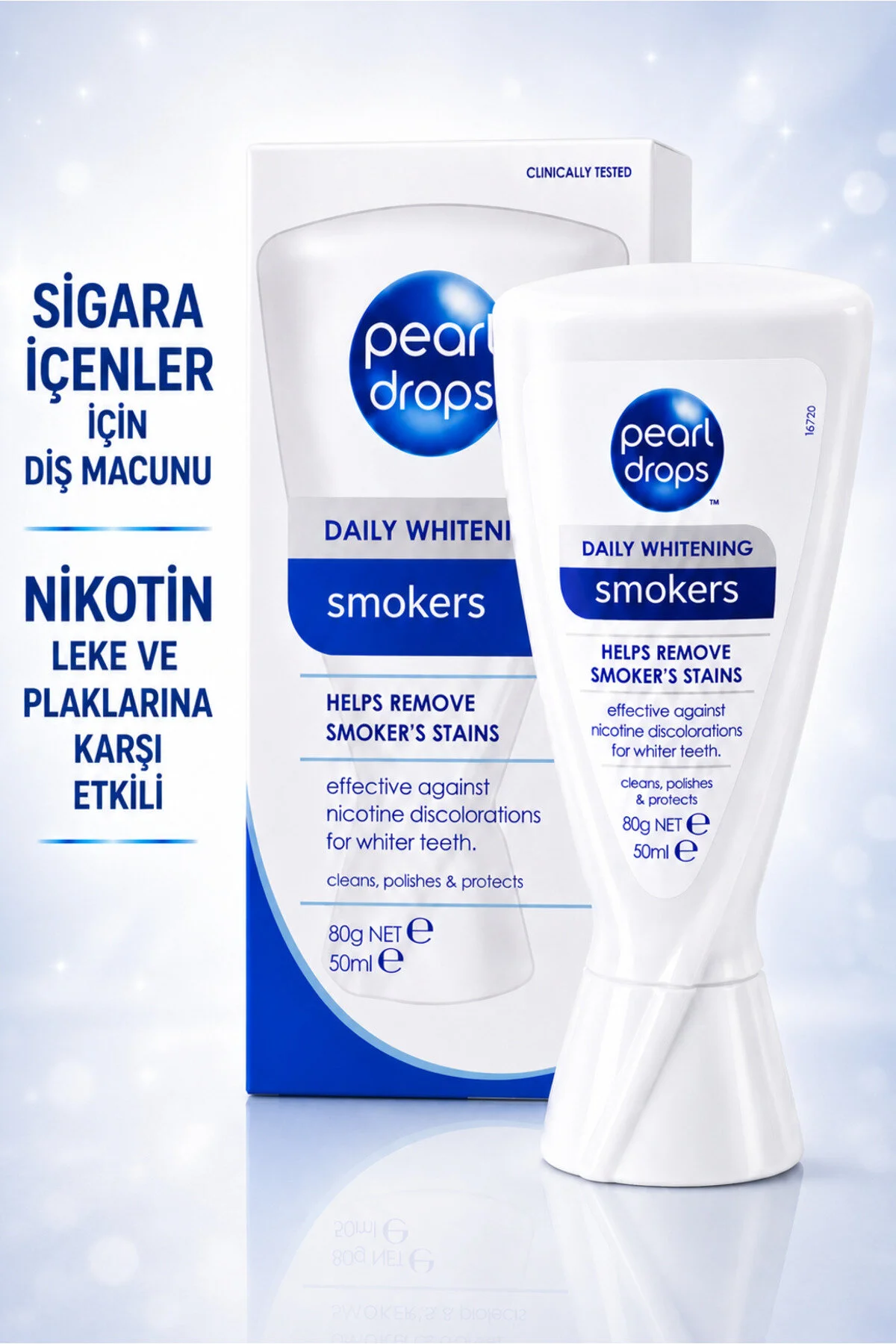
Pearl Drops Smokers - Sigara İçenler İçin Leke Çıkarıcı Jel Diş Macunu, Nikotin Leke Plaklarına Karşı, 50 ml
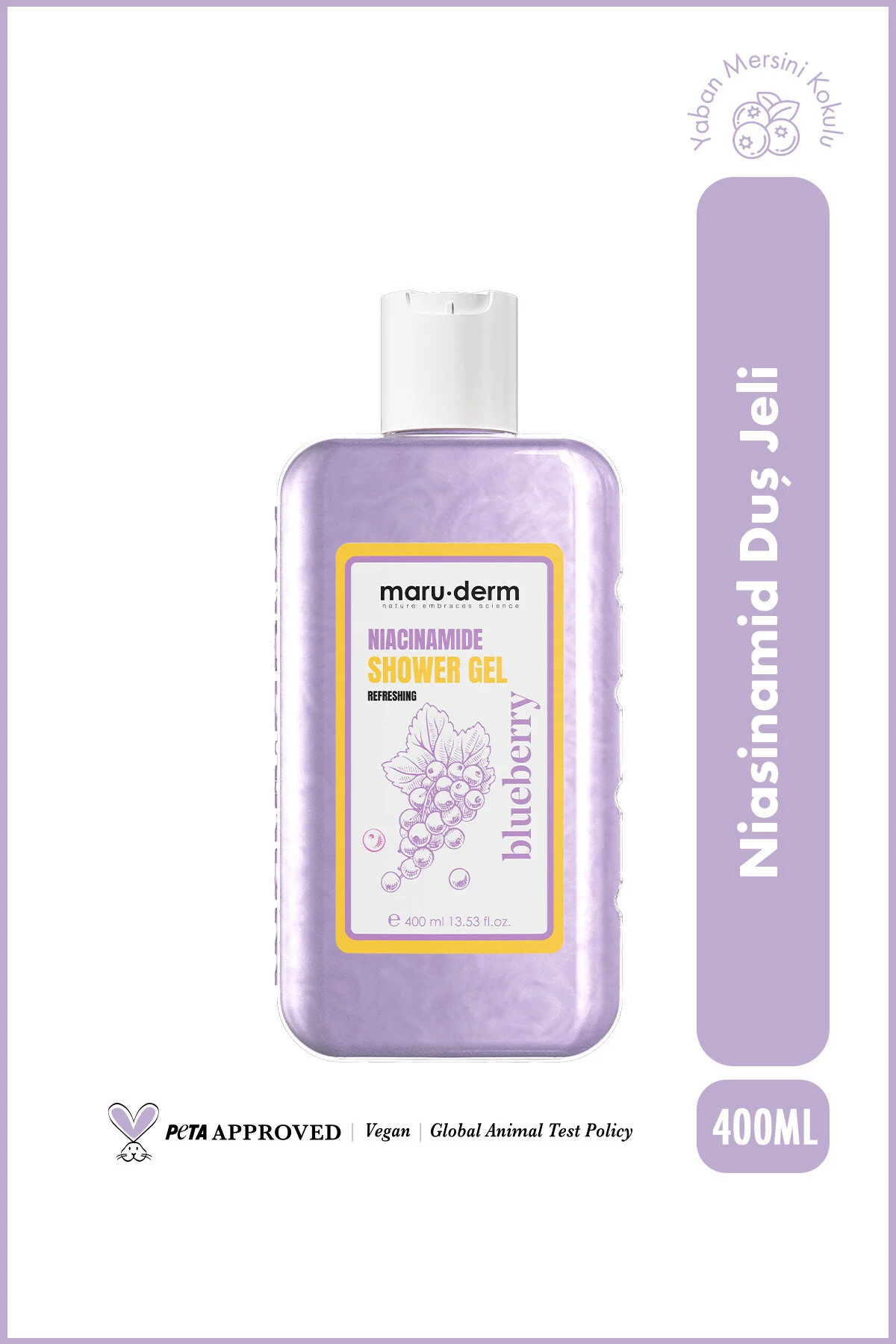
Maru.Derm Niasinamid Duş Jeli 400 ML – Sıkılaştırıcı & Renk Eşitleyici Ferahlatıcı Vücut Jeli