
Salisilik asit
SALICYLIC ACID
- CAS
- 69-72-7
- EC
- 200-712-3
Salisilik asit, bir beta hidroksi asit (BHA) türüdür. Cildin ölmüş hücrelerini yumuşatır ve ölü deri katmanlarını yumuşatarak cilde yardımcı olur. Ayrıca, cilde zararlı bakteriler ve mantarlar büyümesini engelleyerek, cilde yardımcı olur.
Ne işe yarar?
Üründe keratinin parçalanmasını sağlayarak ölü deri hücrelerinin atılmasına yardımcı olur.

Salisilik asit nedir, ne işe yarar? Ciltte nasıl çalışır?
Aspirinle akraba olan salisilik asit cilde sürüldüğünde ne yapıyor, nereden elde ediliyor ve hangi üründe hangi oranda karşınıza çıkıyor.
Yazının tamamını oku →Fonksiyon ve Kullanım
Cilt Bakımı
Saç Bakımı
Koku Kapatıcı
Koruyucu
Kepek Önleyici
Keratolitik (Ölü Deri Dökücü)
Kullanım Kısıtlamaları
- Durulanan Üründe Maksimum - 0.3%
rinse-off products
- Maksimum Konsantrasyon - 0.5%
SCCS maximum concentration; safe: up to 0.5% (SCCS/1675/25)
- Maksimum Konsantrasyon - 0.5%
SCCS maximum concentration; safe: up to 0.5% (SCCS/1646/22)
Düzenleyici not
Salicylic acid
- EU 1223/2009 Annex IIIKısıtlı
Kaynaklar Ne Diyor
CIR (Kozmetik Madde İnceleme Paneli)13
In Vitro Salicylic Acid The effect of Salicylic Acid on human spermatozoa was determined after incubation with 50, 100, or 200 mg/L salicylate for 2 to 48 h.1 A dose response effect was observed, with significant inhibition of motility at all time points. Post-implantation day 11 rat embryos were cultured for 24 h with 10, 100, or 1000 μg/ml Salicylic Acid.46 The growth and development of each embryo was evaluated and compared with control embryos for the presence of any malformations. Salicylic Acid decreased all growth and developmental parameters in a concentration-dependent manner, when compared with controls. However, exposure to Salicylic Acid at 10 μg/ml culture did not show any significant effect on embryonic growth and development. Parallel to this, flow cytometric analysis (cell cycle and annexin V binding) and DNA fragmentation assay were carried out followed via quantitation by 3ʹ-OH labeling of cultured rat embryos to evaluate the role of apoptosis in bringing about Salicylic Acid-induced teratogenesis. All results were found to be dose-dependent and an increase in apoptosis in embryonic tissues may be related to the increased risk of congenital malformations. The data suggested that apoptosis might be involved in mediating teratogenesis of Salicylic Acid in vitro. Salicylic Acid and Sodium Salicylate The effects of Salicylic Acid and Sodium Salicylate on early organogenesis and the interaction of these chemicals with free radicals was investigated.47 Post-implantation Wistar rat embryos were cultured in vitro from day 9.5 of gestation for 48 h; each test substance was added to whole rat serum at concentrations between 0.1 and 0.6 mg/ml. Also, each test substance (0.3 mg/ml) was added to the culture media in the presence of superoxide dismutase (30 U/ml) or glutathione (0.5 µmol/ml). The growth and development of embryos was compared, and each embryo was evaluated for the presence of … [kırpıldı - bölüm toplam 26069 karakter]
Definition and General Characterization Salicylic Acid (Figure 1), an aromatic monohydroxybenzoic acid (specifically, 2-hydroxybenzoic acid) is a colorless, crystalline organic acid that can be derived from salicin (a β-glucoside in willow bark). The rest of the ingredients in this report (salicylates) are esters or salts of Salicylic Acid (Figure 2). However, there is one exception, Capryloyl Salicylic Acid (Figure 3), wherein the ester is actually the product of caprylic acid and the phenolic hydroxyl group of Salicylic Acid. As such, this compound is chemically more akin to aspirin (acetylsalicylic acid) than to the salicylate carboxyl esters. The definitions of the salicylates reviewed in this safety assessment are included in Table 1. Figure 1. Salicylic Acid Figure 2. Salicylates generic structure (wherein R is a salt cation or an alcohol residue), and examples: Calcium Salicylate and Ethylhexyl Salicylate Distributed for Comment Only -- Do Note Cite or Quote Figure 3. Capryloyl Salicylic Acid Chemical and Physical Properties Chemical and physical properties of Salicylic Acid and salicylates (salts and esters) are presented in Table 2.6,7,8,9 Method of Manufacture Amyl Salicylate Amyl Salicylate can be synthesized by heating a mixture of Salicylic Acid, n-amyl alcohol, and concentrated sulfuric acid under a reflux condenser for approximately 4 h.10 After the unreacted alcohol had been removed by distillation at atmospheric pressure, the residue is washed with 10% aqueous potassium carbonate and dissolved in ether, and the ether solution is dried over anhydrous sodium sulfate. The high-boiling material that remains after removal of the ether is fractionated under reduced pressure. The Amyl Salicylate fraction boils at 116 to 121ºC and 1.4 mmHg. According to … [kırpıldı - bölüm toplam 11244 karakter]
The skin irritation and sensitization studies summarized below (except for italicized text) are presented in detail in Table 4. In addition to these studies, it should be noted that possible complications relating to the topical use of Salicylic Acid as a peeling agent include persistent erythema and pruritus (specific studies not included).64 Irritation Animal Dermal The application of 500 mg (in 0.5 ml) of Isodecyl Salicylate (6 male New Zealand white rabbits) and Tridecyl Salicylate (6 female Dunkin-Hartley albino guinea pigs), and Butyloctyl Salicylate (dose not stated) did not cause skin irritation.1 Undiluted Ethylhexyl Salicylate produced mild skin irritation in rabbits (number not stated). Methyl Salicylate (concentration not stated) has been reported to cause severe skin irritation in guinea pigs (number not stated) and moderate skin irritation (abraded and intact skin) in rabbits (number not stated). Repeated applications of Methyl Salicylate (concentration not stated) to guinea pigs (number not stated) caused scaling, dryness, and isolated and multiple infiltrates by days 4 to 6. Threshold changes were noted with the application of a 50% oil solution. At concentrations of 1%, 3%, and 6% (in 70% ethanol), Methyl Salicylate was severely irritating to the skin of all 3 animals (species not stated) tested. However, this was not true for water suspensions of the 3 Methyl Salicylate concentrations. The skin irritation potential of Amyl Salicylate (> 99.8%) was evaluated using 6 Albino angora rabbits and 6 male Hartley guinea pigs.65 After 24 h, Amyl Salicylate was severely irritating to the skin of rabbits and mildly irritating to the skin of guinea pigs. The skin irritation potential of Amyl Salicylate (> 99.8%) was evaluated using 6 miniature swine of the Pitman-Moore Improved strain. Skin irritation was not observed following a 48-h application. When undiluted Ethylhexyl … [kırpıldı - bölüm toplam 24153 karakter]
Butyloctyl Salicylate, Ethylhexyl Salicylate, Isodecyl Salicylate, Methyl Salicylate, Salicylic Acid, Sodium Salicylate, and Tridecyl Salicylate Studies on the genotoxic potential of Butyloctyl Salicylate, Ethylhexyl Salicylate, Isodecyl Salicylate, Methyl Salicylate, Salicylic Acid, Sodium Salicylate, and Tridecyl Salicylate are negative, except that Salicylic Acid is positive in a B. subtilis rec assay (negative in seven other bacterial tests and one mammalian test). Methyl Salicylate is positive in Salmonella typhimurium strains TA98, and TA100 with metabolic activation (negative in in 2 other Ames tests). Sodium Salicylate is positive in an in vivo chromosome aberration study in mice; it is negative for sister chromatid exchanges in vivo in mice, and in 4 in vitro test systems.1 Salicylic Acid The mouse lymphoma assay (L5178Y mouse lymphoma cells) was used to evaluate the genotoxicity of Salicylic Acid (in deionized water) with and without metabolic activation.41 Doses up to 1400 µg/ml were tested. Cyclophosphamide and methylmethanesulfonate served as positive controls. Salicylic acid was not genotoxic, with or without metabolic activation, at any of the doses tested. Sodium Salicylate The genotoxicity of Sodium Salicylate was evaluated in a mammalian cell genotoxicity test involving Chinese hamster ovary (CHO) cells.38 The test substance was evaluated at concentrations up to 0.5 mM with and without metabolic activation. Sodium Salicylate was not genotoxic over the range of concentrations tested (0.06 to 0.5 mM), both with and without metabolic activation. The positive control (N-ethyl-N-nitrosourea) was genotoxic.
Salicylic Acid has been classified as a non-carcinogen; however, relevant details that would have served as a basis for this classification were not provided .1 In Vitro Salicylic Acid and Sodium Salicylate Sodium Salicylate had dose-dependent inhibitory effects on adenoma, in vitro transformants of adenoma, and carcinoma cell lines. IC50 values of 1.65 to 7.28 mM were reported. Distributed for Comment Only -- Do Note Cite or Quote Animal Dermal Methyl Salicylate A skin painting study was performed in which Methyl Salicylate was applied to the back of 39 mice, at biweekly intervals, for 400 days.1 Neoplasms were not induced. Parenteral Groups of 15 male and 15 female A/He mice were dosed intraperitoneally with 100 or 500 mg/kg Methyl Salicylate in tricaprylin 3 times per week for 8 weeks (24 doses total).1 Two out of 13 males and 1 of 14 females of the low-dose group that survived until study termination had lung tumors. One out of 12 males and 5 of 13 females of the high-dose group that survived until study termination had pulmonary tumors. These compare with 10 of 46 males and 8 of 48 females with tumors in the untreated control group and 8 of 30 males and 10 of 28 females with tumors in the vehicle control group. Photocarcinogenicity Salicylic Acid In a National Toxicology Program (NTP) photocarcinogenicity study, the effects of synthetic solar light on the skin of hairless mice that had been treated with creams containing Salicylic Acid were evaluated.60 Creams containing Salicylic Acid (0%, 2%, or 4%), were applied to the skin of groups of 18 male and 18 female hairless mice in the mornings. Additional groups of 36 male and 36 female mice were not exposed to the cream. In the afternoons, groups of animals were exposed to … [kırpıldı - bölüm toplam 7092 karakter]
+8 kayıt daha.
ToxValDB (EPA Toksisite Değerleri Veri Tabanı)10
EPA ToxValDB cilt/göz verisi - endpoint: skin irritation: in vivo, sınıflandırma: Studies Indicate No Significant Irritation, tür: rabbit, çalışma: skin irritation, kılavuz: OECD Guideline 404 (Acute Dermal Irritation / Corrosion) according to EU Method B.4 (Acute Toxicity: Dermal Irritation / Corrosion) according to, yıl: 2008. Sınır: bu bir derleme kayıttır; doz, tür ve maruziyet yolu birlikte değerlendirilmelidir.
EPA ToxValDB cilt/göz verisi - endpoint: skin sensitisation: in vivo (LLNA), sınıflandırma: High Frequency of Sensitization, tür: mouse, çalışma: skin sensitization, kılavuz: equivalent or similar to OECD Guideline 429 (Skin Sensitisation: Local Lymph Node Assay), yıl: 1992. Sınır: bu bir derleme kayıttır; doz, tür ve maruziyet yolu birlikte değerlendirilmelidir.
EPA ToxValDB cilt/göz verisi - endpoint: Skin Irritation, sınıflandırma: Category 6.3A (Category 2). Sınır: bu bir derleme kayıttır; doz, tür ve maruziyet yolu birlikte değerlendirilmelidir.
EPA ToxValDB cilt/göz verisi - endpoint: Eye Irritation, sınıflandırma: Category 6.4A (Category 2A). Sınır: bu bir derleme kayıttır; doz, tür ve maruziyet yolu birlikte değerlendirilmelidir.
EPA ToxValDB cilt/göz verisi - endpoint: Skin Sensitization, sınıflandırma: Category 1. Sınır: bu bir derleme kayıttır; doz, tür ve maruziyet yolu birlikte değerlendirilmelidir.
+5 kayıt daha.
EPA ToxCast (yüksek hacimli in vitro tarama)1
EPA ToxCast ER modeli: östrojen reseptörü aktivitesi BULUNMADI (AUC agonist=0, antagonist=0). 18 in vitro deneyde test edildi. Sınır: in vitro tarama modelidir, doz/maruziyet bağlamı içermez; kozmetikteki kullanım seviyesinde insanda etki gösterdiği anlamına GELMEZ.
Bilimsel Referanslar
- CIR - Amended Safety Assessment ofCosmetic Ingredient Review (CIR), Personal Care Products Council(2018)
- CIR - Safety Assessment ofCosmetic Ingredient Review (CIR), Personal Care Products Council
- EU Endocrine Disruptor Lists I, II, III (2026-04 update)edlists.org (Danish EPA on behalf of participating EU member states)
- SCCS Opinion SCCS/1646/22 - Salicylic acid (CAS No. 69-72-7, EC No. 200-712-3)Scientific Committee on Consumer Safety (SCCS)(2023)
- SCCS Opinion SCCS/1668/24 - SCCS Addendum to the Scientific Opinion on Hexyl Salicylate SCCS/1658/23 (CAS/EC No. 6259-76-3/228-408-6) - Children exposure 0-3 years oldScientific Committee on Consumer Safety (SCCS)(2024)
- SCCS Opinion SCCS/1675/25 - SCCS Opinion on Salicylic Acid (CAS No. 69-72-7, EC No. 200-712-3) - Children’s exposureScientific Committee on Consumer Safety (SCCS)(2025)
Bu Maddeyi İçeren Ürünler
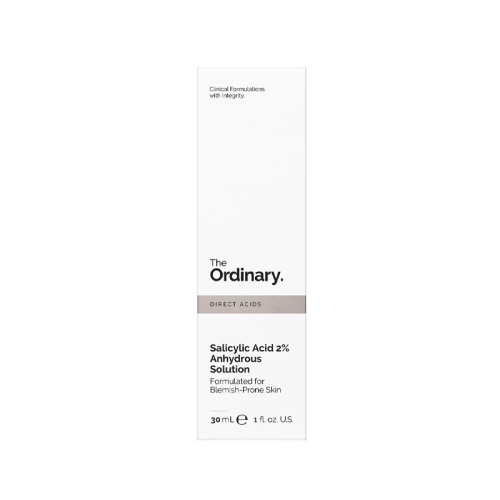
The Ordinary Salicylic Acid 2% Anhydrous Solution - Salisilik Asit Serum
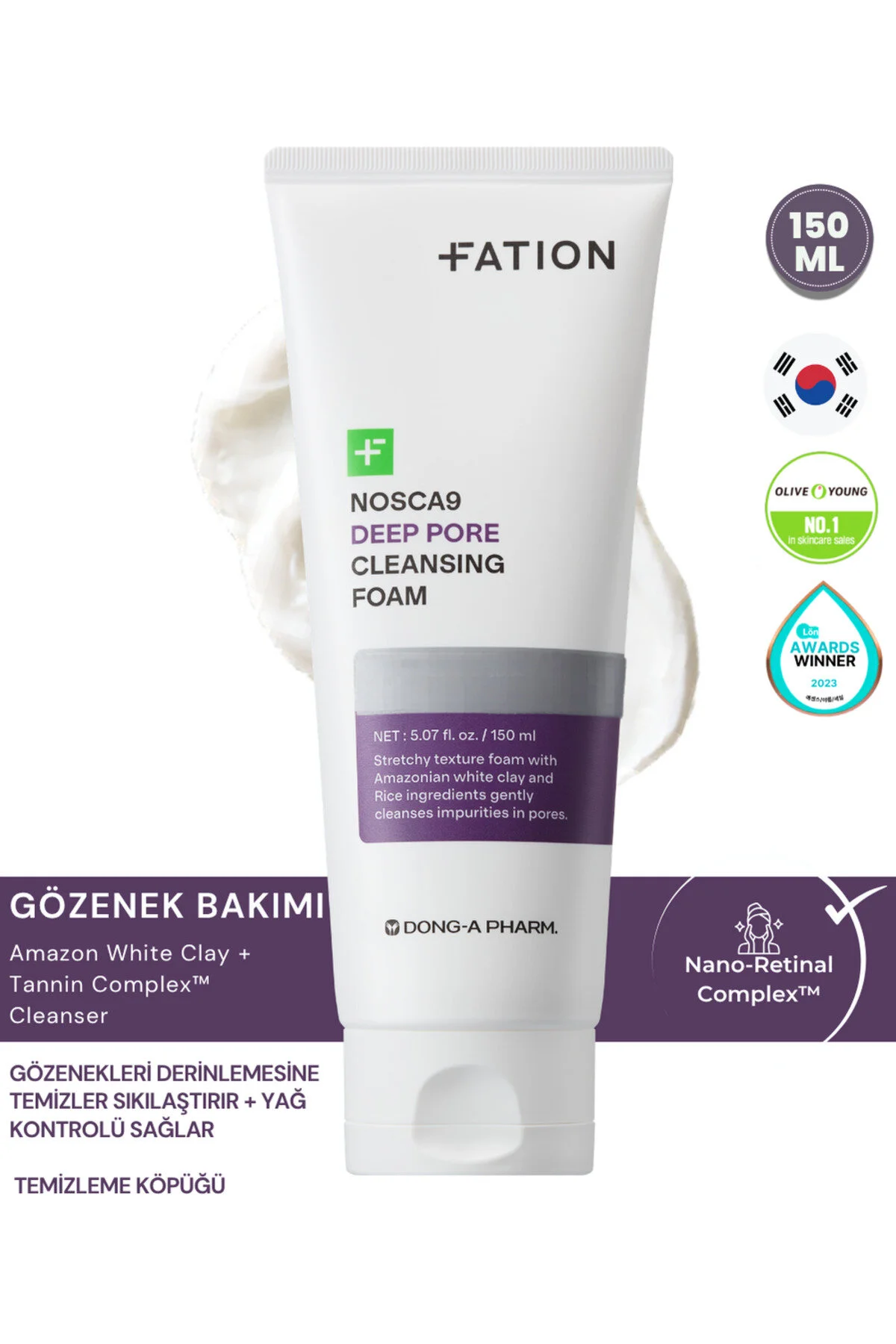
Fation Nosca9 Deep Pore Cleansing Foam | Nano-retinal RX™ & %0.5 BHA ile Gözenek ve Siyah Nokta Karşıtı Köpük, 150ml
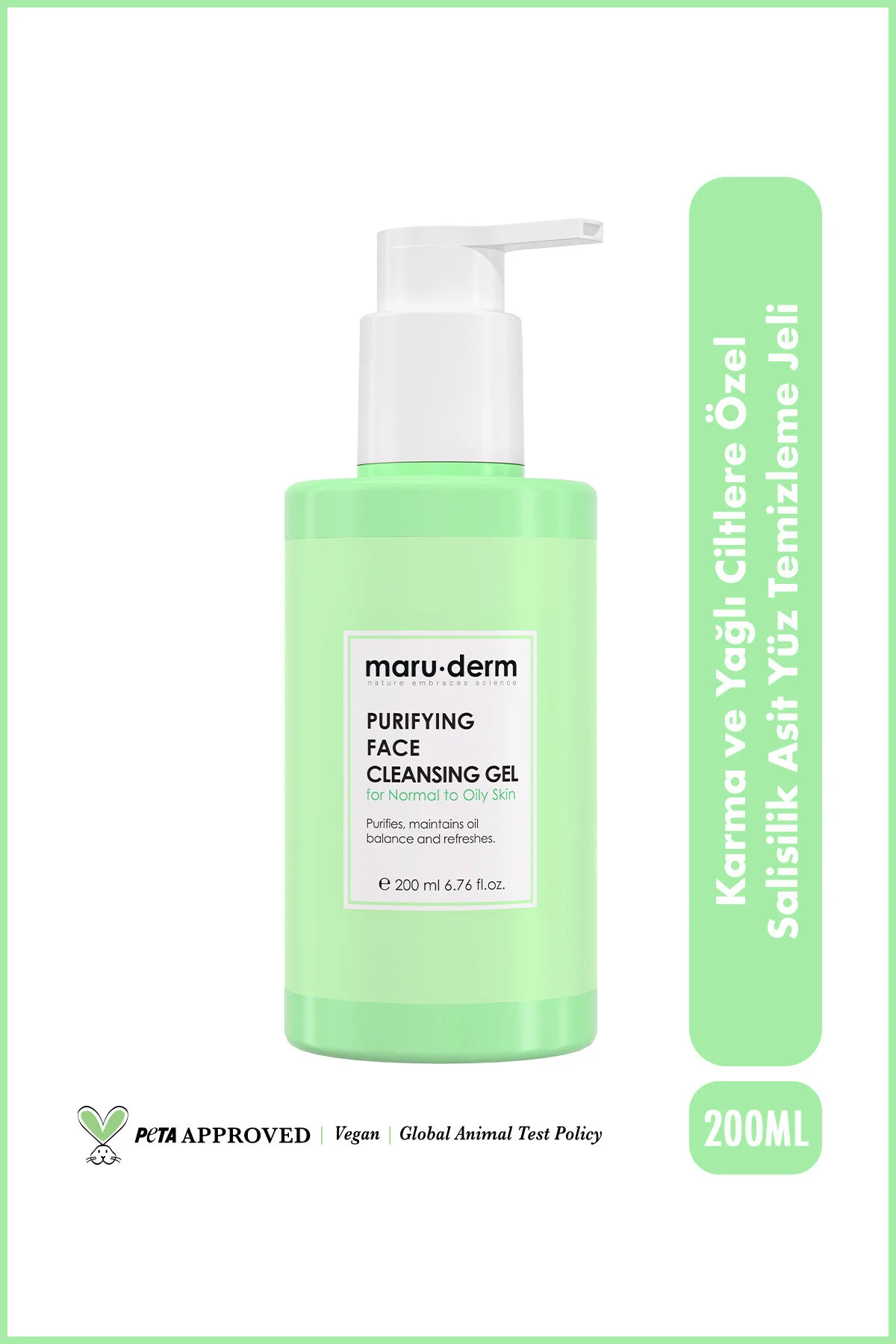
Maru.Derm Karma Ve Yağlı Ciltlere Özel Salisilik Asit Yüz Temizleme Jeli 200 ML
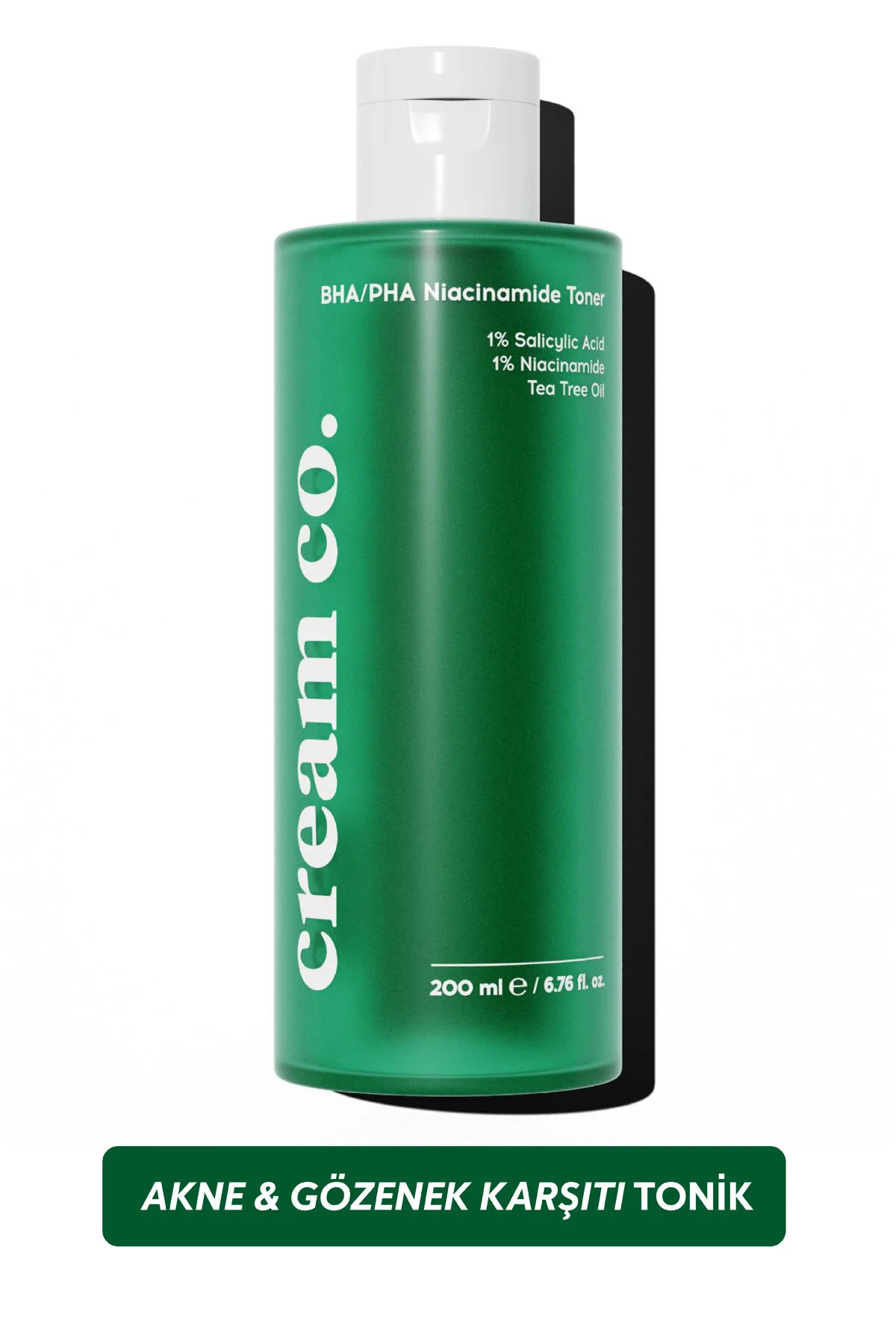
Cream Co. Akne Karşıtı Gözenek Sıkılaştırıcı BHA PHA Niacinamide Tonik | Arındırıcı | Salisilik Asit | 200ML
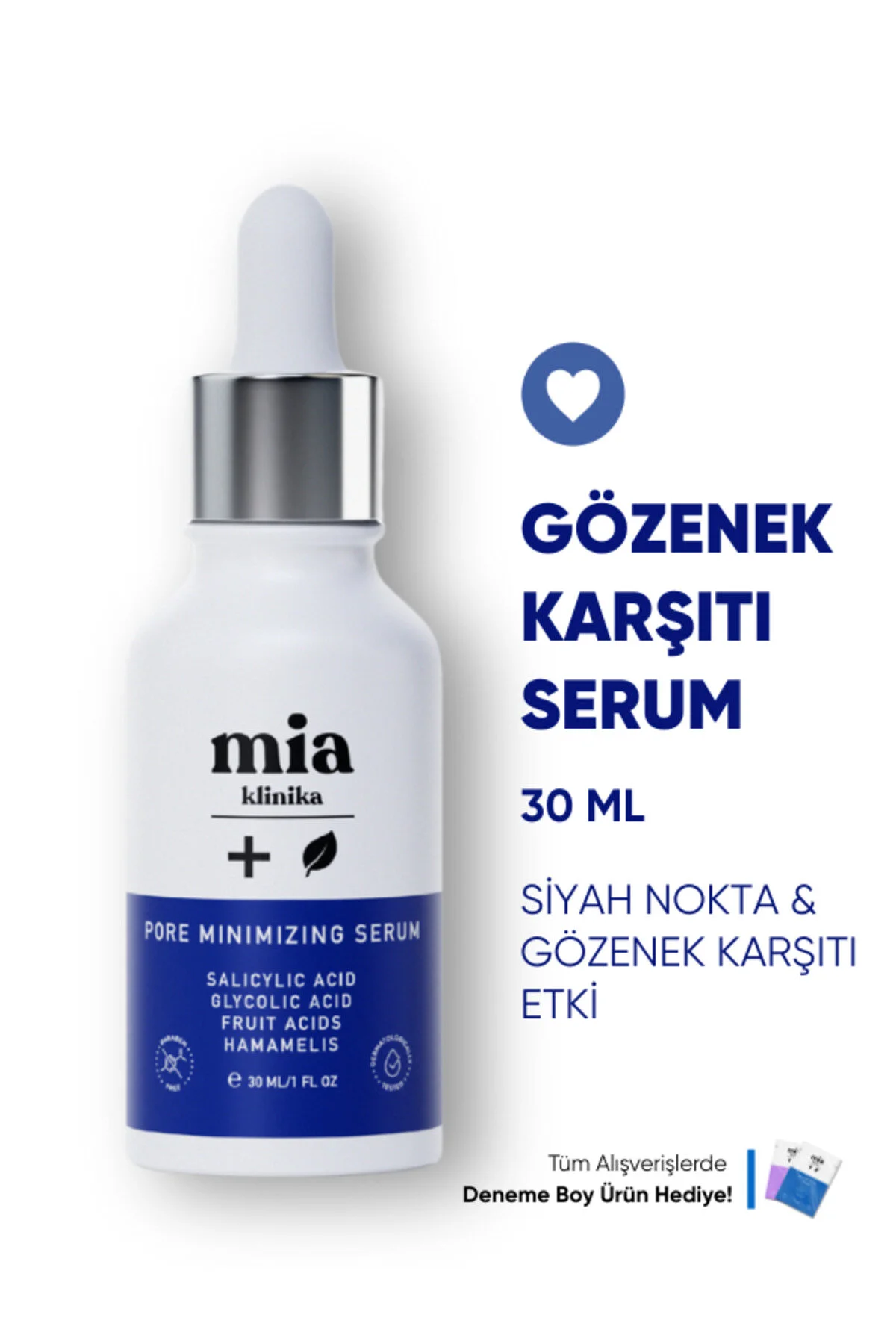
mia klinika Gözenek Siyah Nokta Gidermeye Yardımcı Serum 30 ml
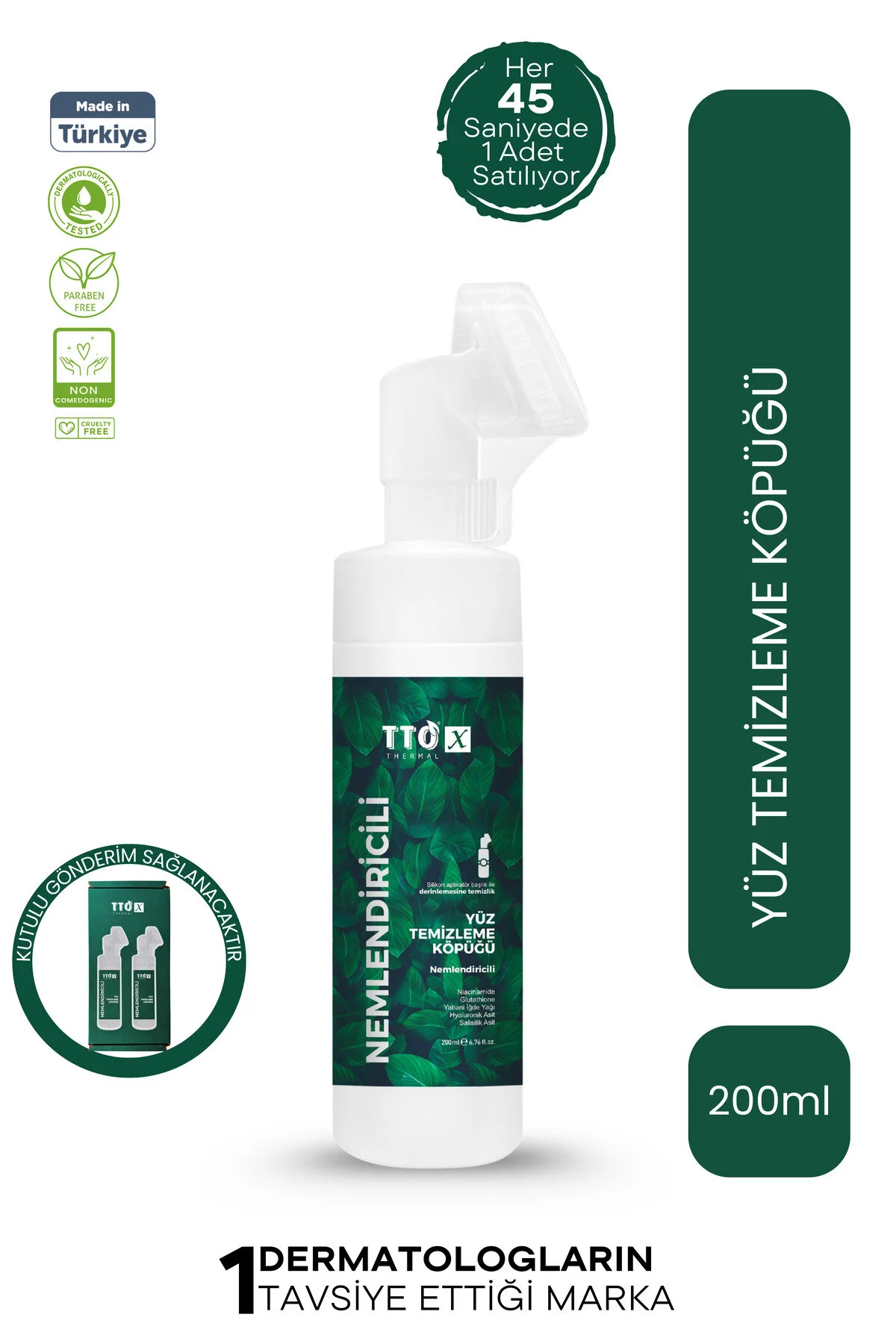
TTO X Nemlendirici Hyaluronik Asitli Yüz Temizleme Köpüğü - Tüm Cilt Tipleri İçin 200 ml
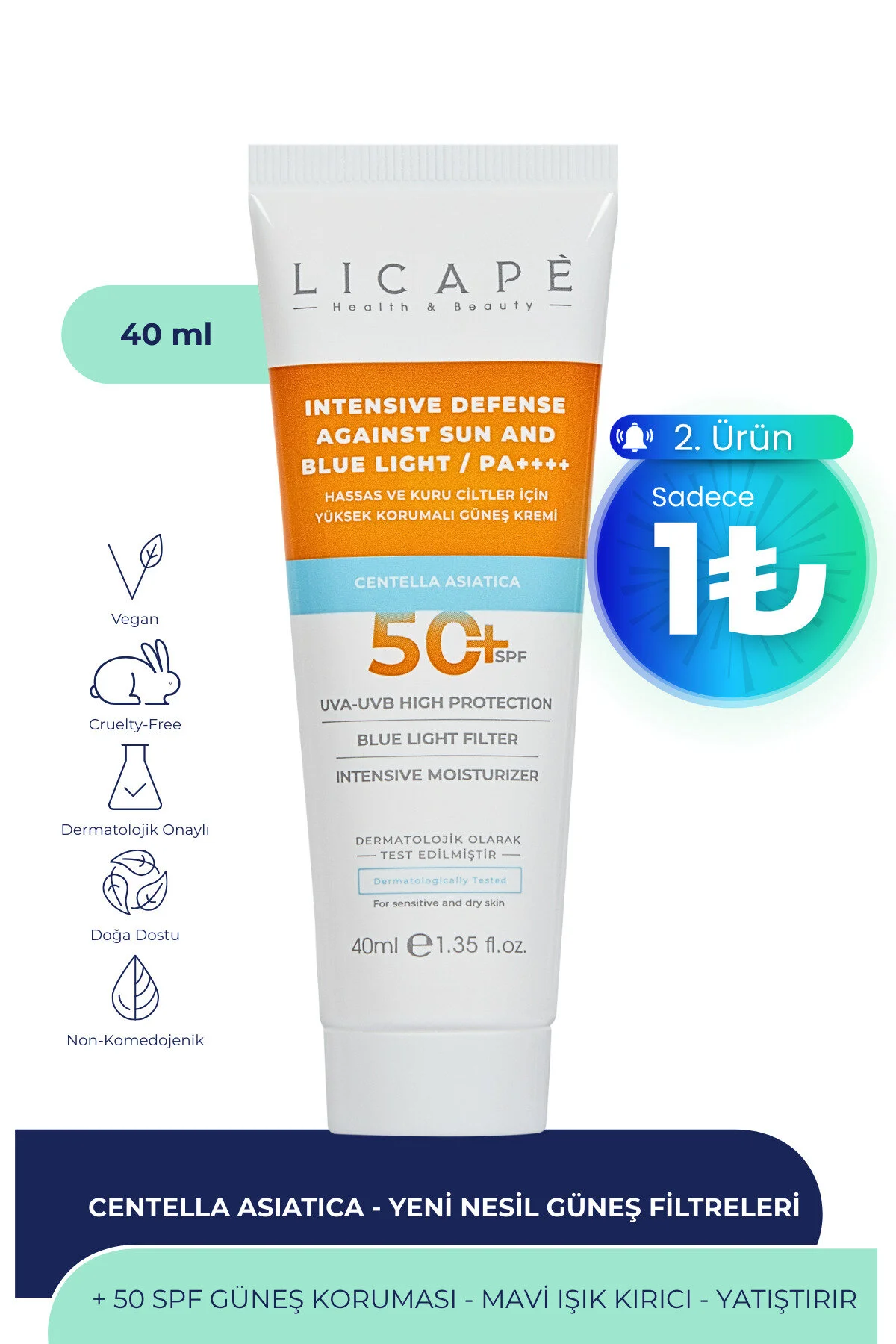
Licape Hassas Ve Kuru Ciltler İçin Yüksek Korumalı 50 Faktör Güneş Kremi 40ml
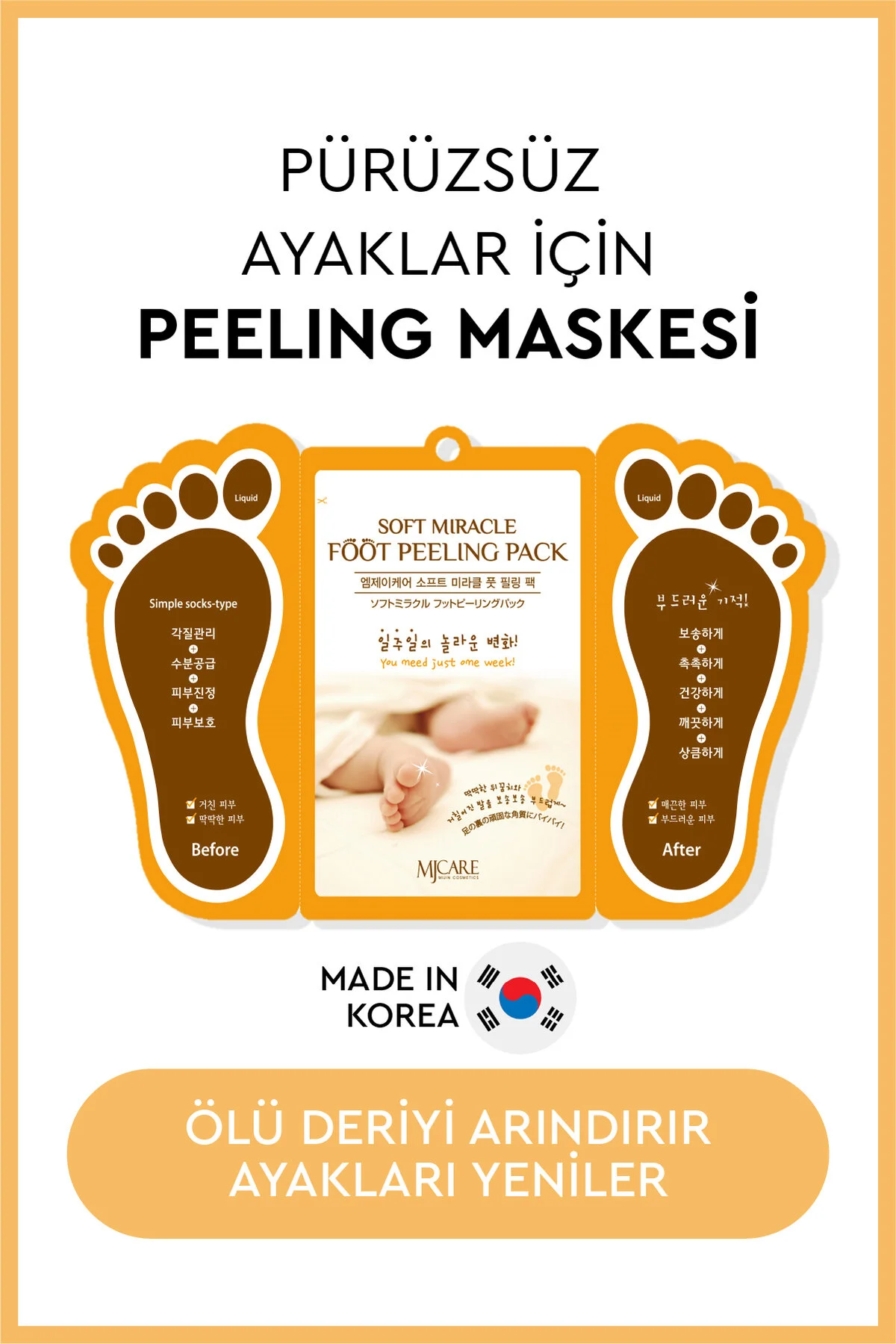
Mjcare Miracle Foot Peeling Pack - Mjcare Çorap Tipi Ayak Peeling Maskesi
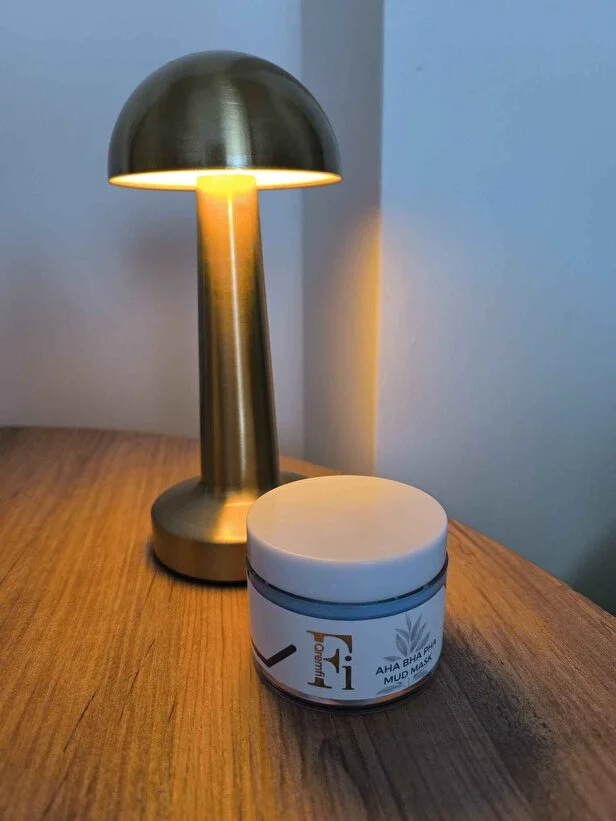
Qremfi Sıfır Gözenek Siyah Nokta Mavi Kil Maskesi | AHA + BHA+PHA 100 ml
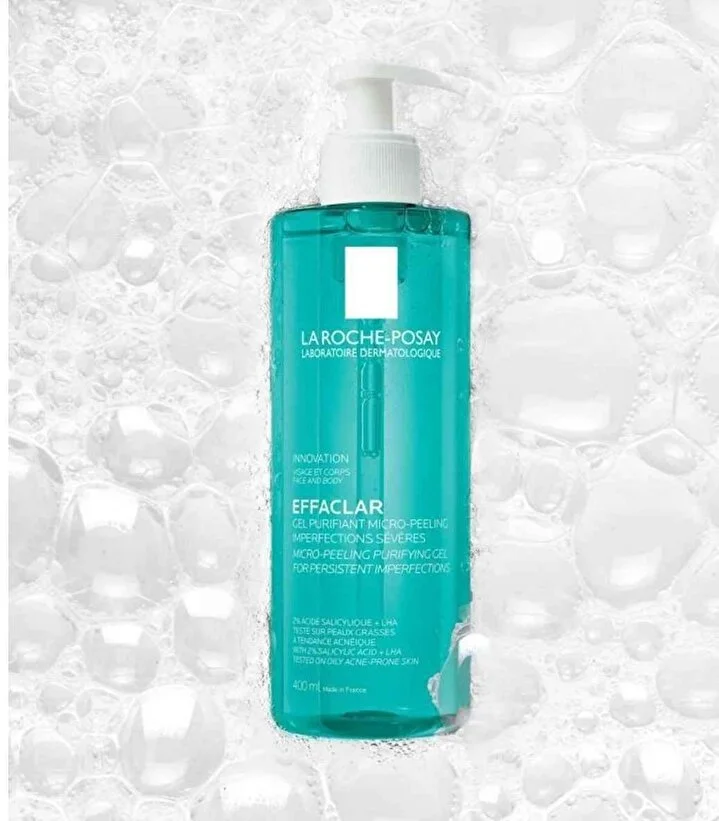
La Roche Posay Effaclar Micro Peeling Gel 400ml
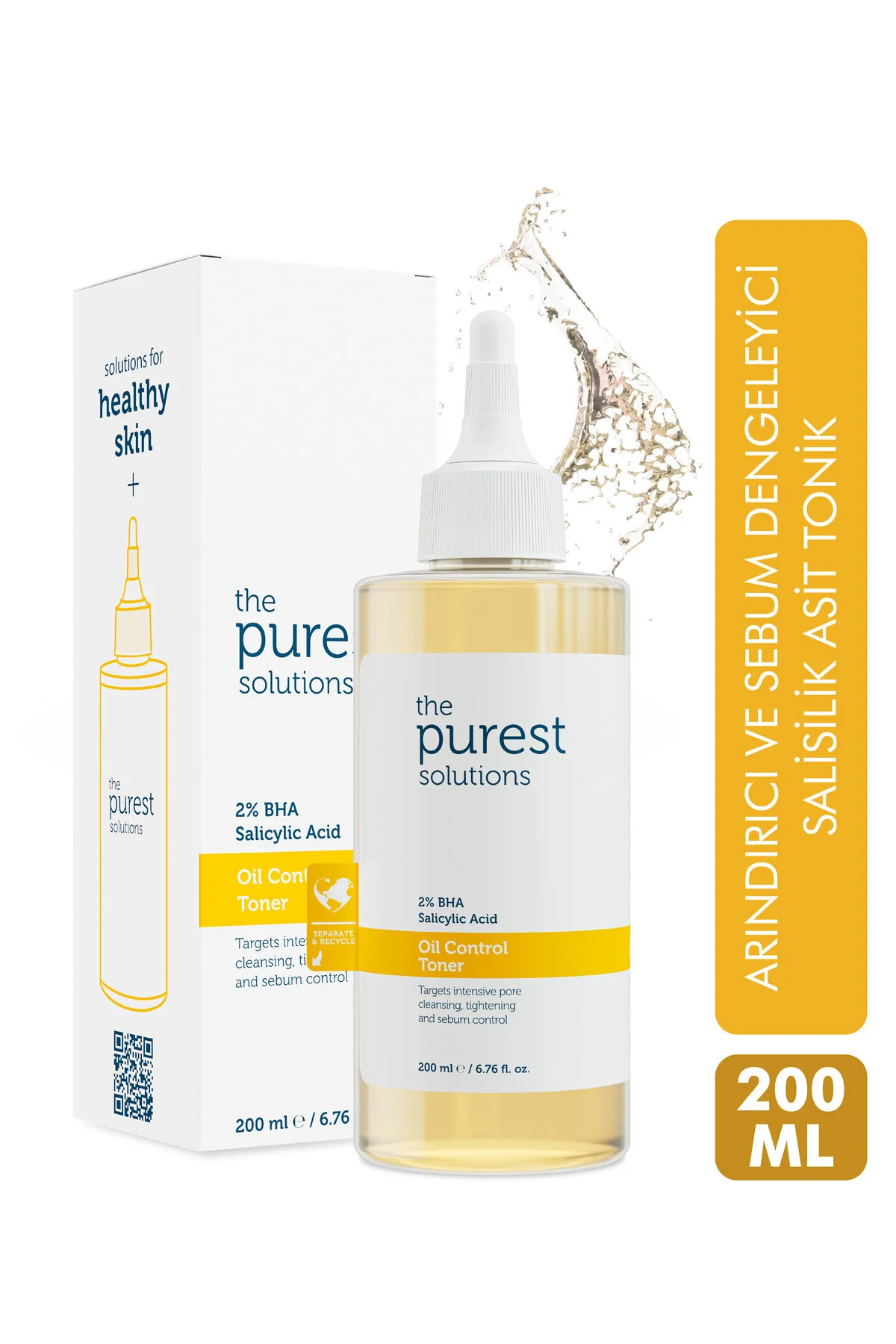
The Purest Solutions Yağlı Ve Karma Ciltler için ve Siyah Nokta Karşıtı Salisilik Asit Tonik 200 ml
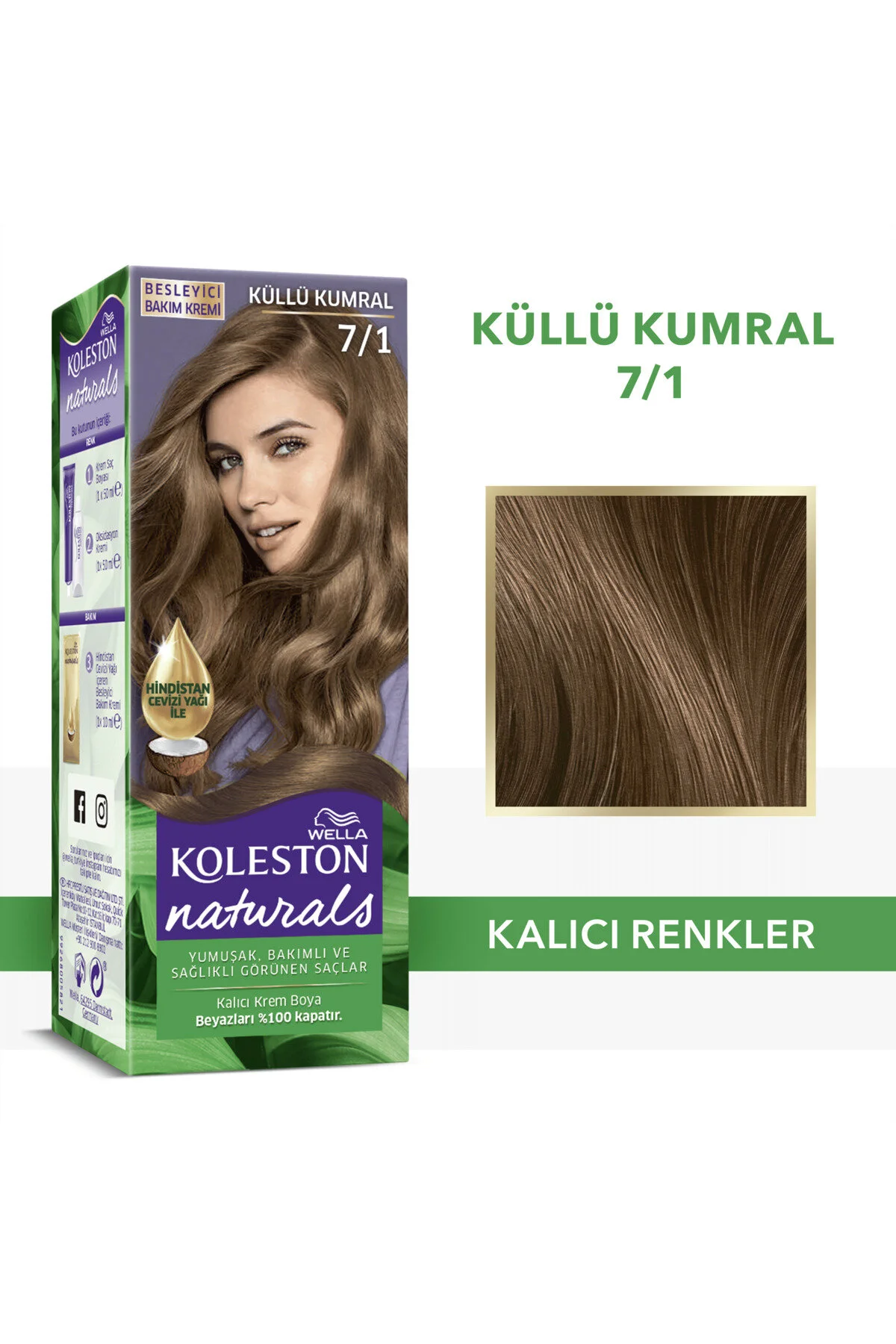
Wella Koleston Naturals 7/1 Kumral Saç Boyası
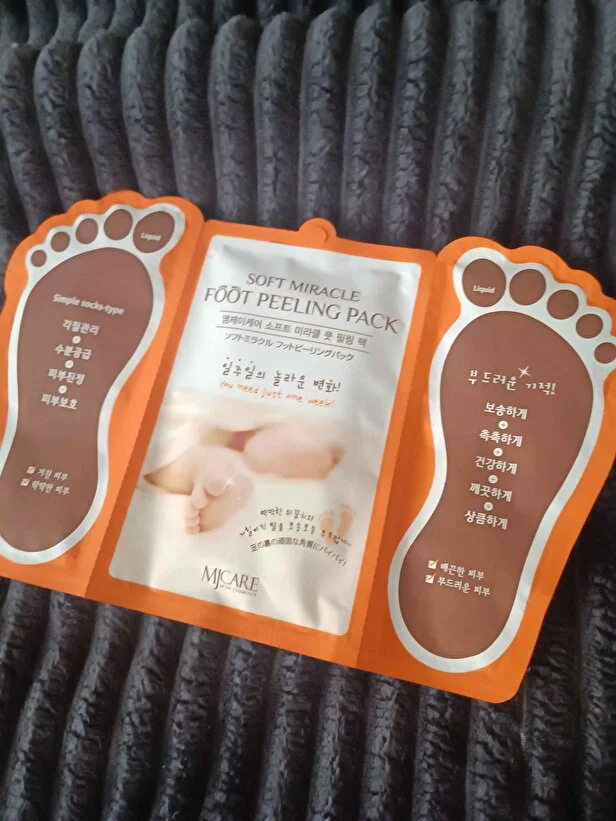
Mjcare El & Ayak Peeling Maske Seti - Komple Yenileyici Soyulan Bakım Paketi
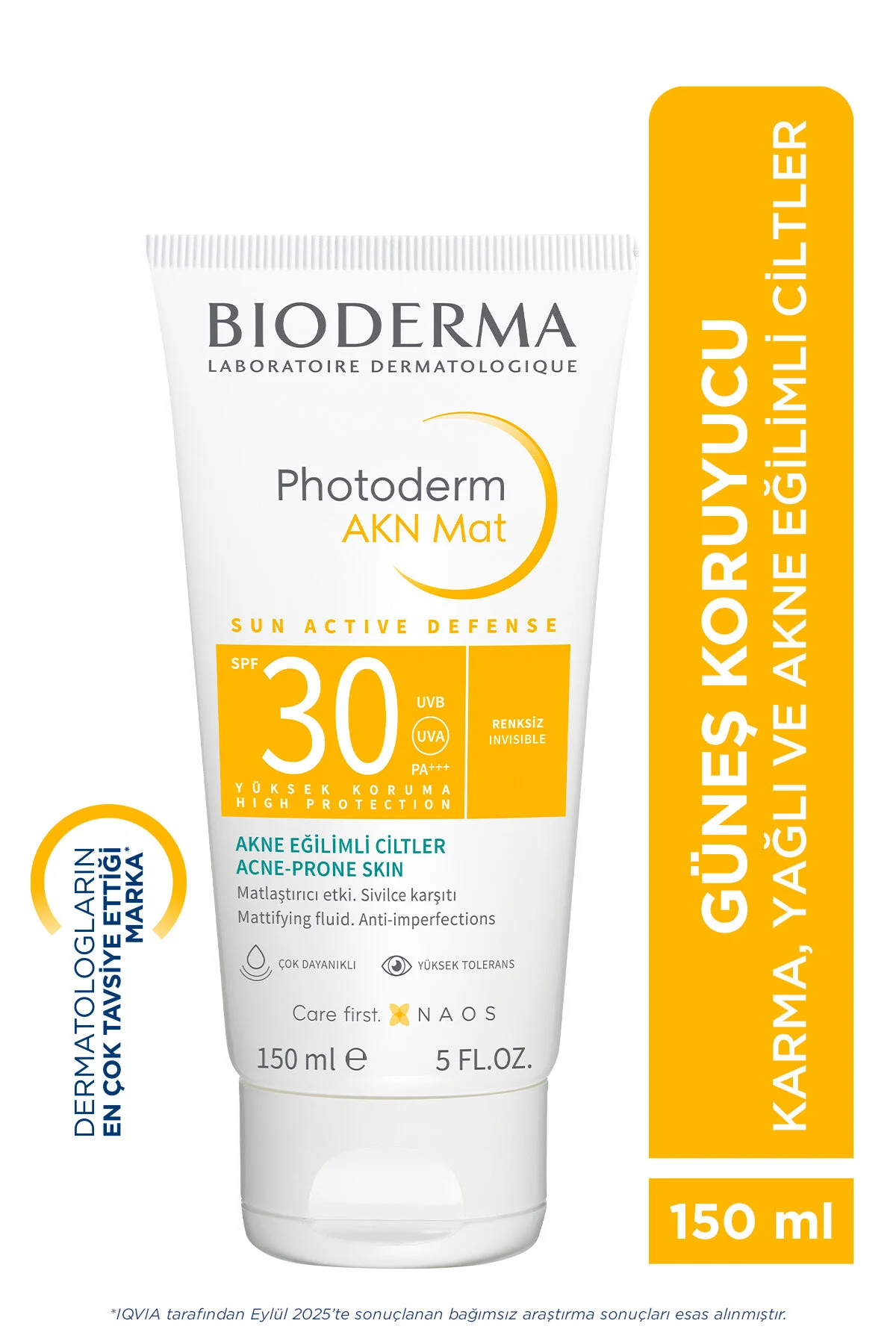
Bioderma Photoderm AKN Mat SPF30 Yağlı & Akne Eğilimli Ciltler Sivilce Karşıtı Güneş Kremi 150 ML
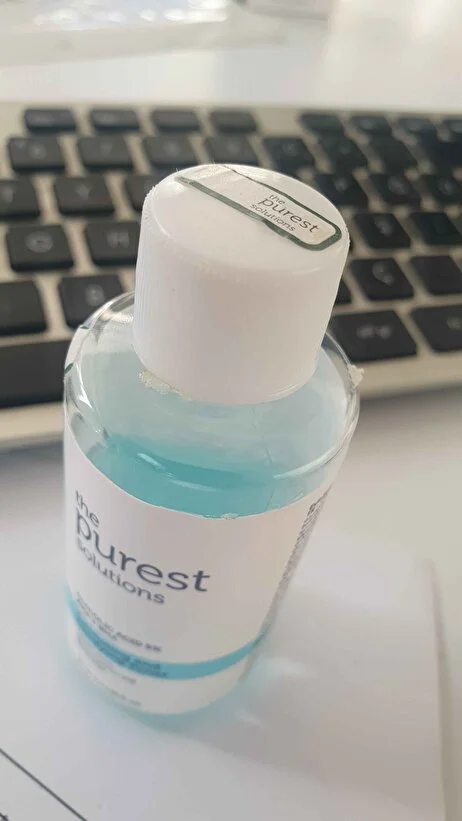
The Purest Solutions Gözenek Sıkılaştırıcı Glikolik Asit Tonik Cilt Bakım Seti: 200 ml Mavi Tonik + 50 ml Tanışma Boy
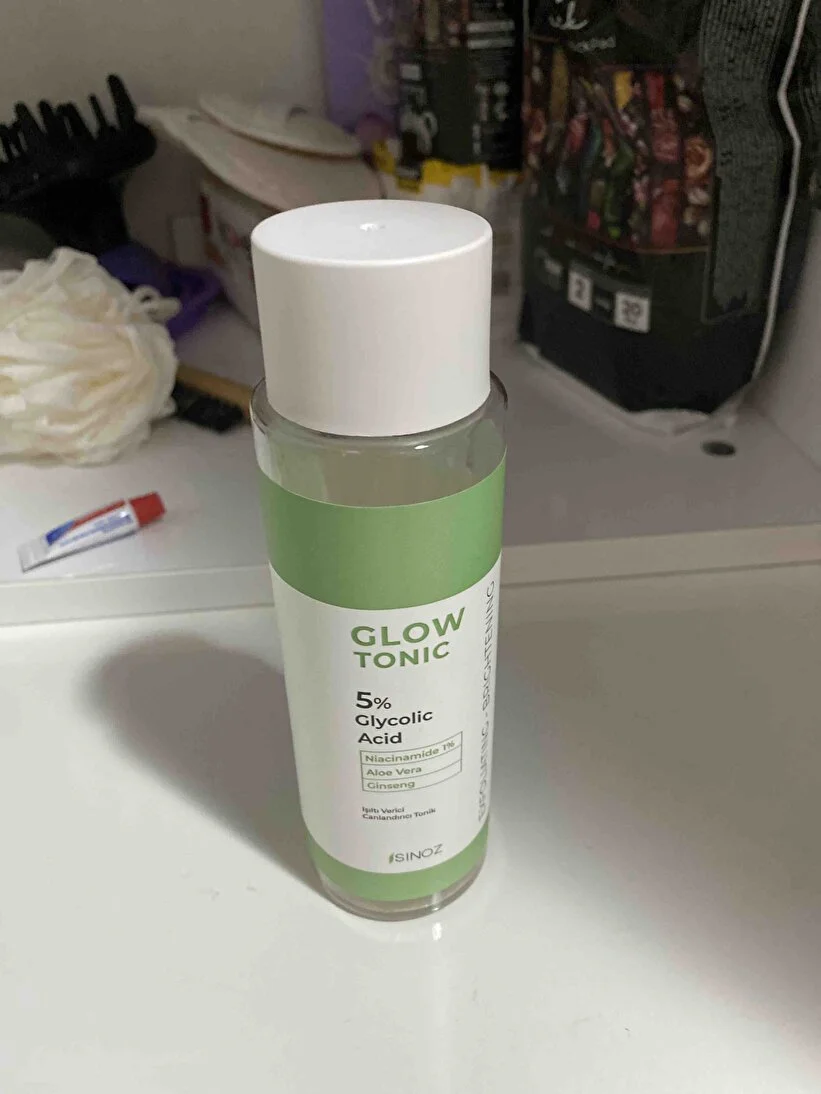
Sinoz Gözenek Sıkılaştırıcı Arındırıcı Canlandırıcı Peeling Etkili %5Glikolik Asit İçeren Glow Tonik 200ml
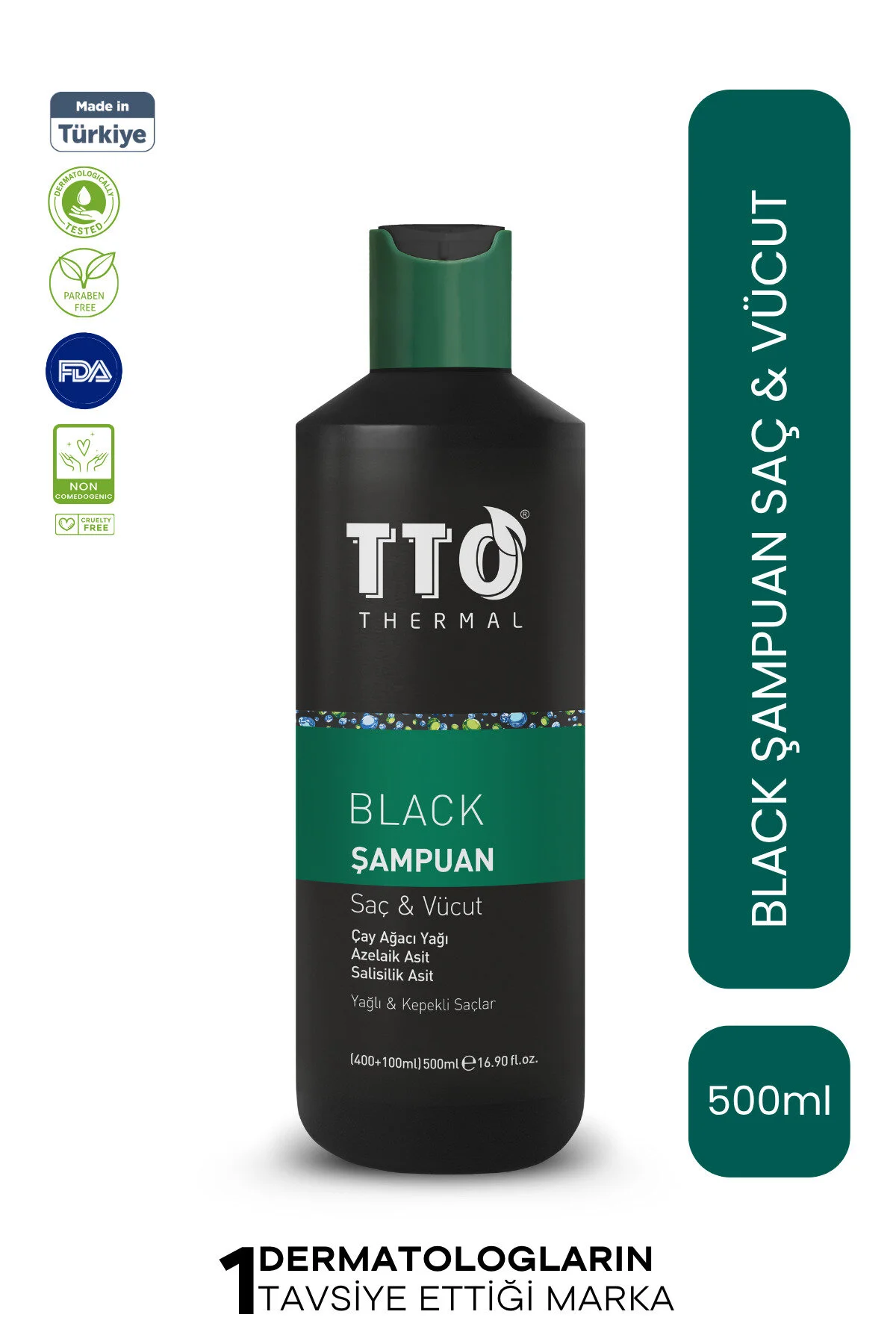
TTO Thermal Black Saç ve Vücut Şampuanı - Çay Ağacı Yağlı 400 ml + 100 ml
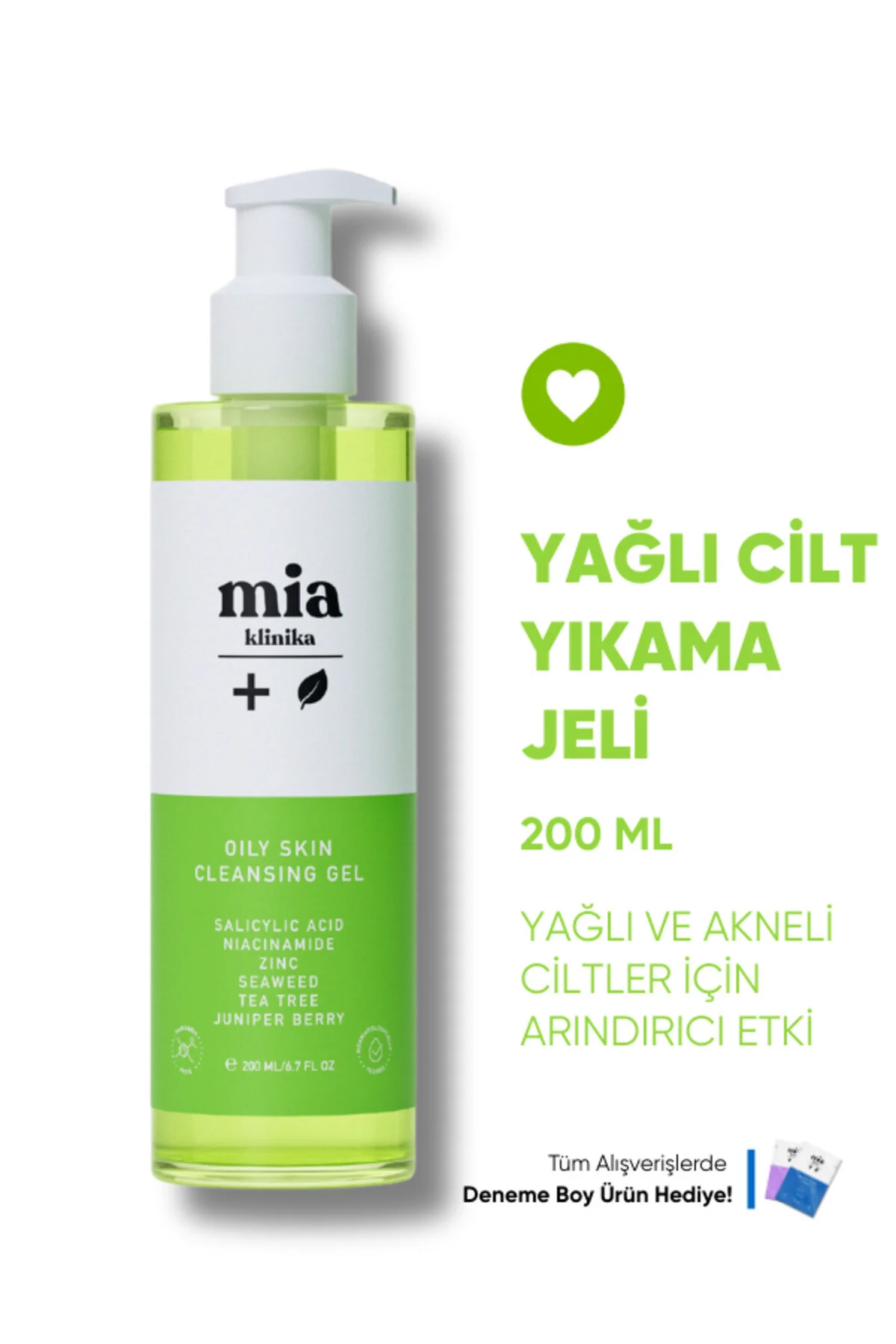
mia klinika Yağlı Akneli, Sivilceli Ve Kusurlu Ciltler İçin Yüz Yıkama Jeli
Maru.Derm Bha Tonik | Gözenek Sıkılaştırıcı, Siyah Nokta Karşıtı 250 ML
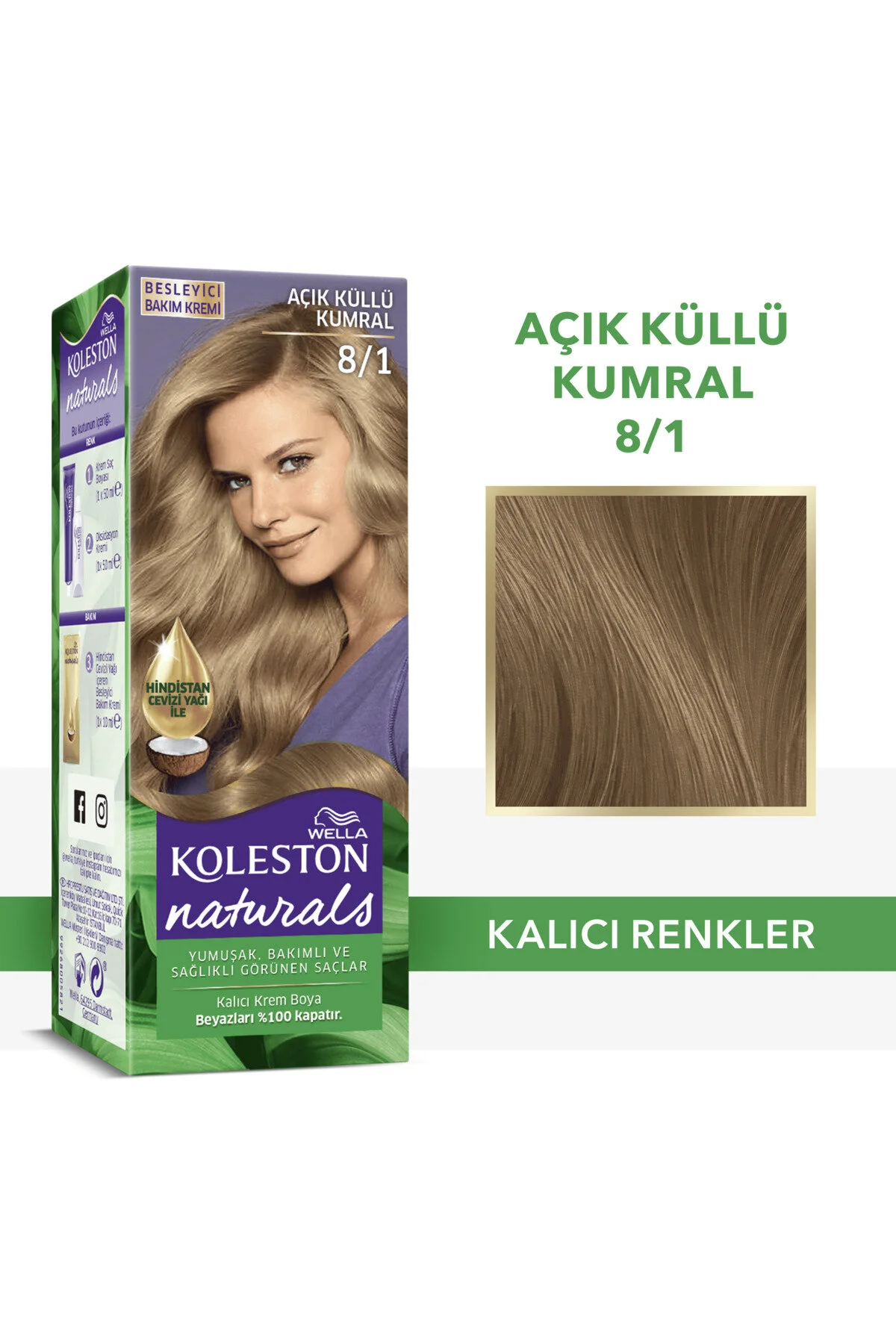
Wella Koleston Naturals 8/1 Açık Küllü Kumral Saç Boyası
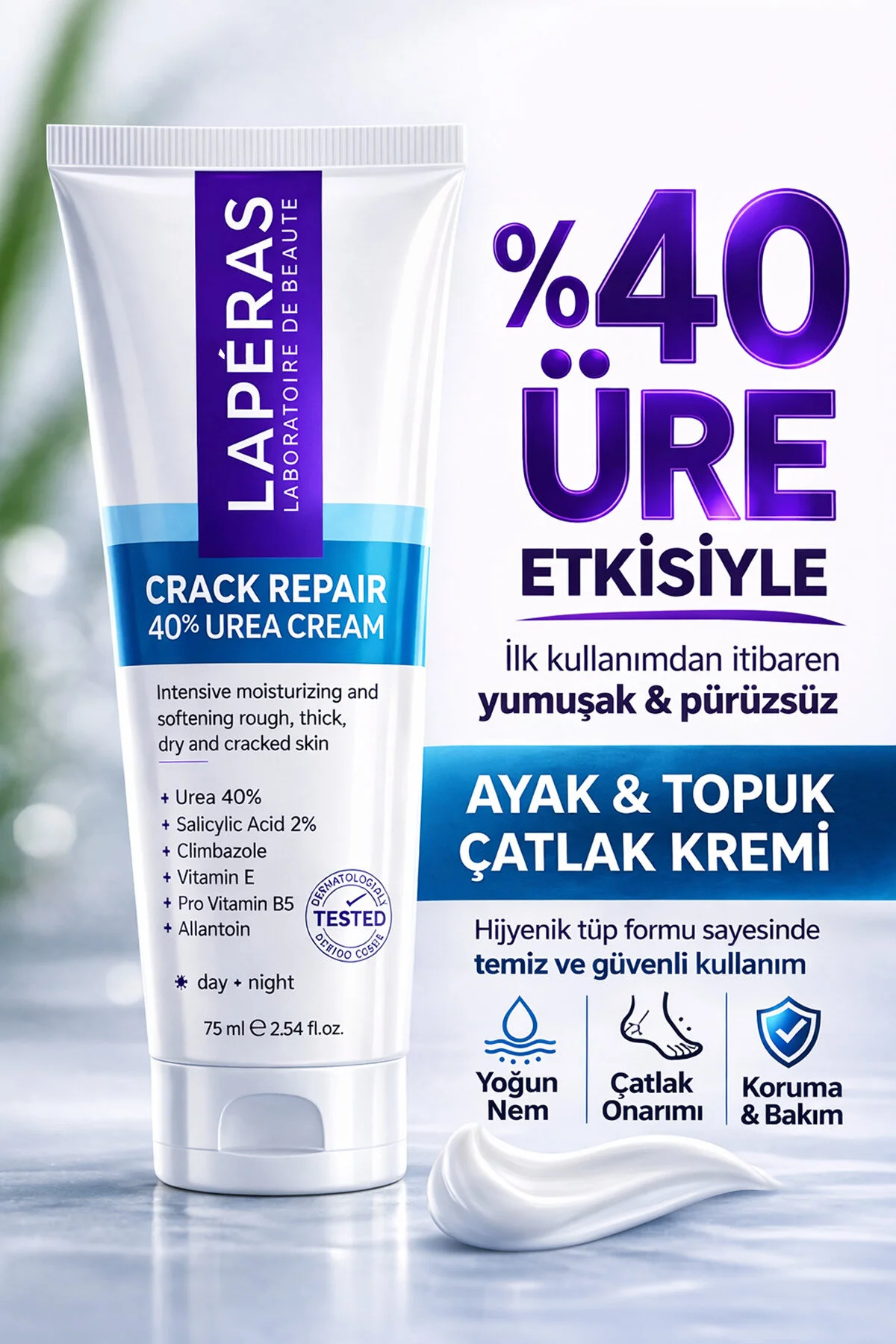
LAPERAS %40 Üre Ayak ve Topuk Çatlak Kremi 75 ml | Kuru Sertleşmiş Ciltler İçin | Yoğun Nemlendirici, Nasır, Koku Karşıtı | %2 Salisilik Asit
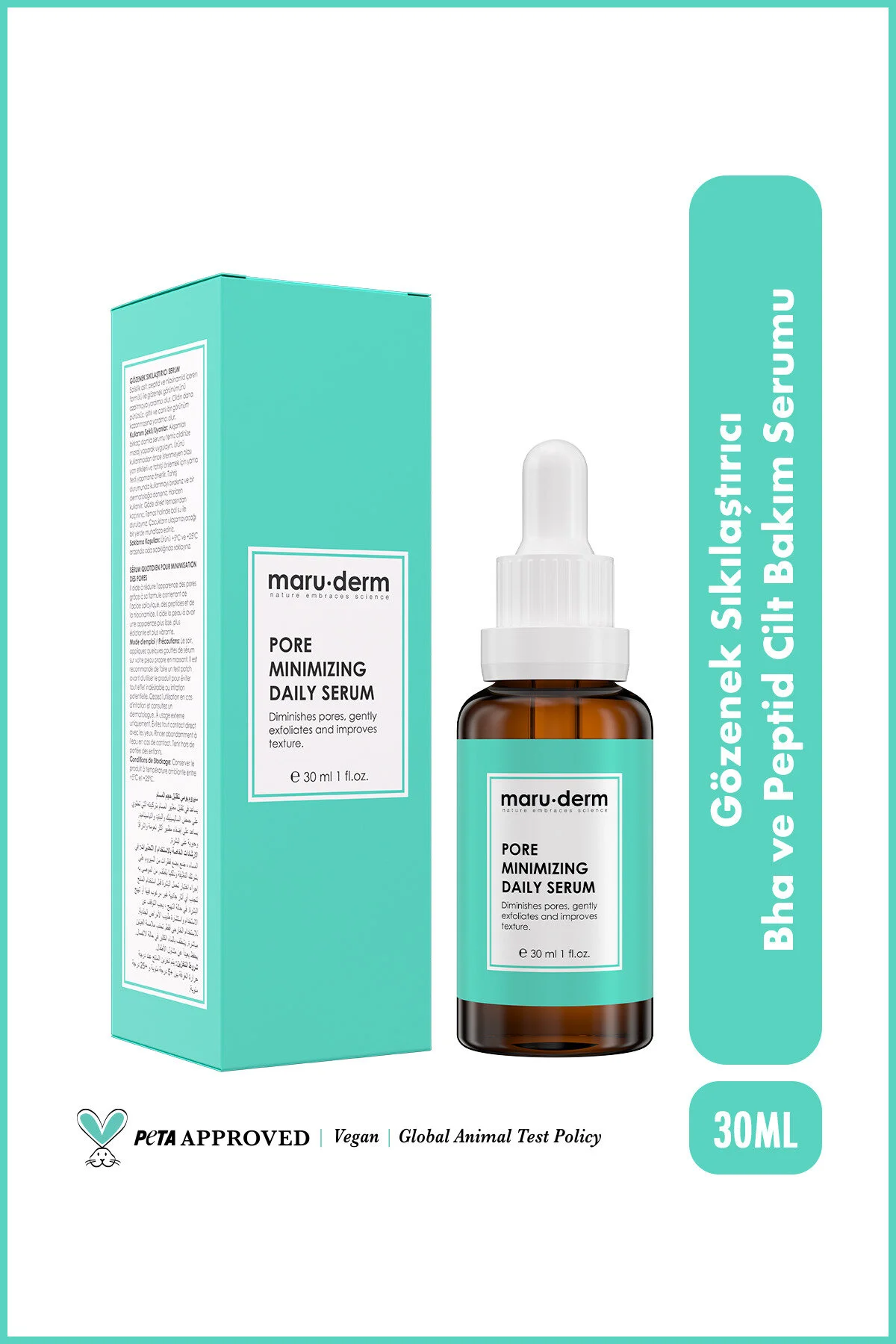
Maru.Derm Gözenek Sıkılaştırıcı Bha Ve Peptit Cilt Bakım Serumu 30 ML
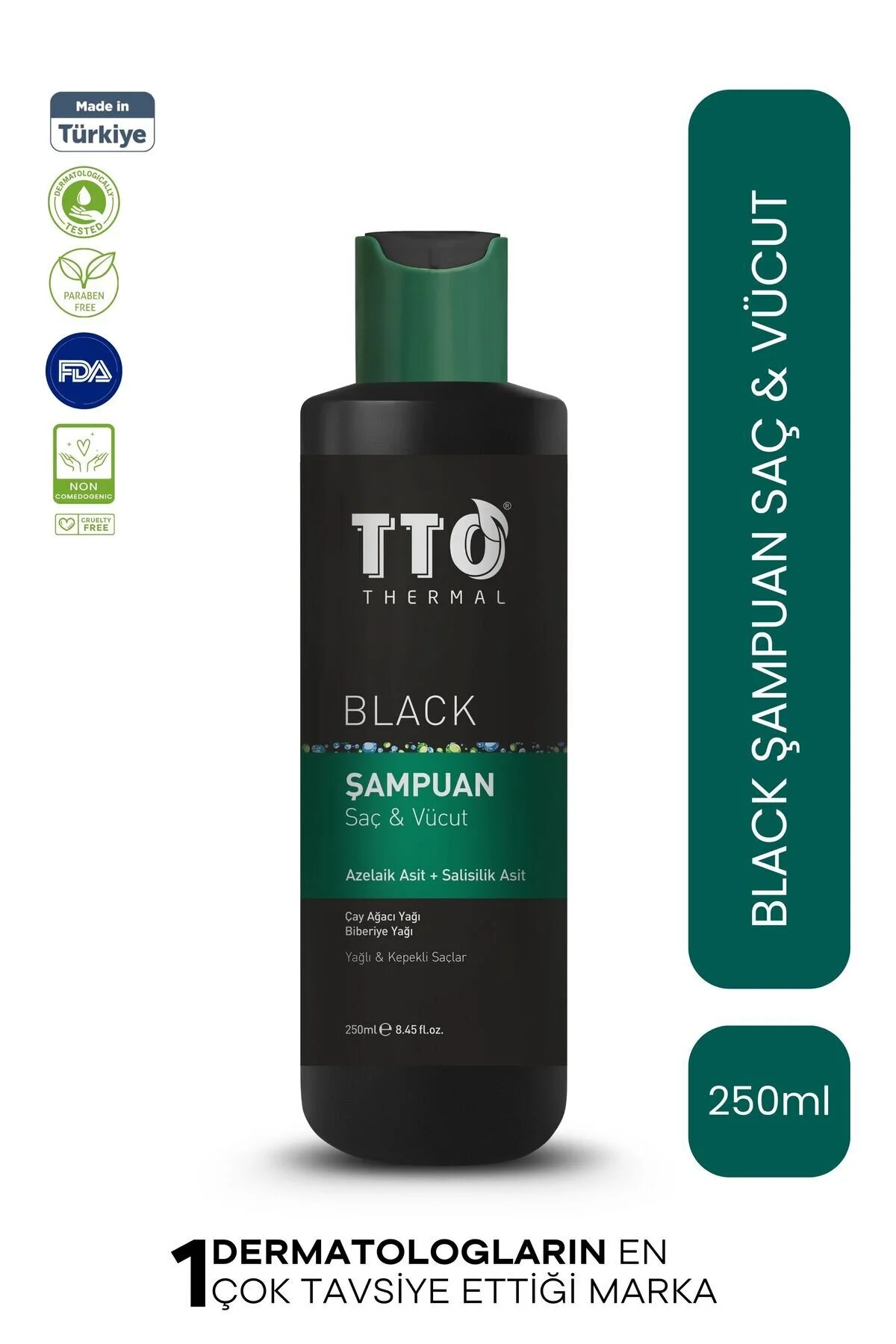
TTO Thermal Black Şampuan - Arındırıcı Bakım 250 ml
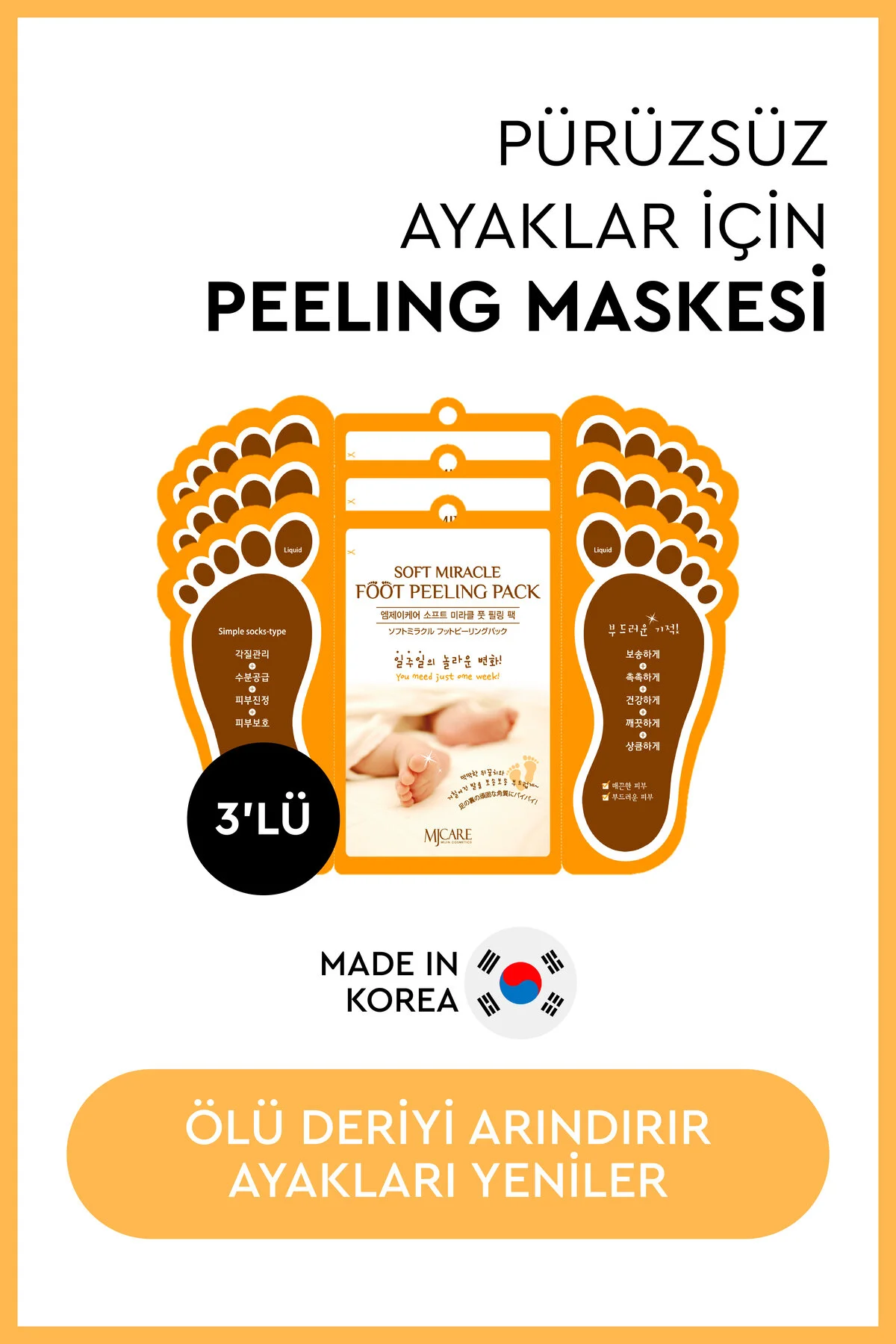
Mjcare Miracle Foot Peeling Pack - Çorap Tipi Ayak Peeling Maskesi 3'lü