
Metilizotiyazolinon
METHYLISOTHIAZOLINONE
- CAS
- 2682-20-4
- EC
- 2202396
- PubChem CID
- 39800
- Moleküler Formül
- C4H5NOS
- Moleküler Ağırlık
- 115.1600 g/mol
2-Methyl-2H-isothiazol-3-one, mikrobiyal büyümeyi önlemek için kullanılan koruyucu bir bileşendir.
Ne işe yarar?
Üründe koruyucu olarak kullanılır ve mikroorganizmaların büyümesini engeller.

Metilizotiyazolinon: Koruyucu mu, alerji yapan mı?
Etikette 'Methylisothiazolinone' ya da kısaca 'MI' görürsünüz. Su bazlı kozmetiklerin bozulmasını önleyen bir koruyucudur. Ama alerji tartışmaları yüzünden son yıllarda en çok konuşulan içeriklerden biri.
Yazının tamamını oku →Fonksiyon ve Kullanım
Koruyucu
Düzenleyici not
2-Methyl-2H-isothiazol-3-one
- EU 1223/2009 Annex Vİzinli
Maksimum konsantrasyon: 0.0015%
Kaynaklar Ne Diyor
SCCS (AB Tüketici Güvenliği Bilimsel Komitesi)2
EU 1223/2009 Annex V - SCCS görüşü: Opinion on Methylisothiazolinone
+1 kayıt daha.
CIR (Kozmetik Madde İnceleme Paneli)25
Acute Toxicity Methylisothiazolinone at 97.5% was slightly toxic in rats in an acute dermal toxicity study.3 The substance was corrosive to the skin. The LD50 was calculated to be 242 mg/kg body weight. In another acute dermal toxicity study, 9.69% Methylisothiazolinone was corrosive to rat skin, but no deaths occurred during the study. The LD50 was greater than 484.5 mg/kg body weight. In acute oral toxicity studies, Methylisothiazolinone was slightly toxic in rats in concentrations ranging from 9.69% to 99.7%.3 At 9.69%, the LD50s for male and female rats were 274.6 and 105.7 mg/kg body weight, respectively. Rats that died during these studies had reddened intestines and/or stomach mucosa, clear or red/yellow fluid in the intestines and/or stomach; blackened intestines and distended stomachs. Studies in rats on body lotion, shampoo, and sunscreen formulations containing 100 ppm Methylisothiazolinone found no treatment-related effects and an LD50 greater than 2000 mg formulation/kg body weight. Slight toxicity, including gastrointestinal changes, was observed in mice that orally received 97.5% Methylisothiazolinone. The LD50 was 167 mg/kg body weight. An acute oral toxicity study of the metabolite NMMA in rats found the substance slightly toxic. The calculated oral LD50s for NMMA in males and females were 3550 and 4100 mg/kg body weight, respectively. Acute inhalation toxicity studies in rats found that 53.52% and 97.8% Methylisothiazolinone were slightly toxic after 4 h exposures.3 The LC50s were 0.35 and 0.11 mg/l, respectively. Rats that died during these studies had reddened lungs and distended gastrointestinal tracts. Mice exposed to 10 minutes of atomized 98.6% Methylisothiazolinone had up to 47% decrease in respiratory rates that equated to moderate responses for sensory irritation.3 Acute toxicity studies are summarized in Table 2. In a dermal study in rats, the LD50 for 49.0% Methylisothiazolinone … [kırpıldı - bölüm toplam 17849 karakter]
Absorption, Distribution, Metabolism, and Excretion (ADME) The percutaneous absorption of [14C]Methylisothiazolinone (99.88% radiochemical purity) was determined using rat skin mounted on diffusion cells.3 Over a 24-h period, the rate of absorption was 0.0059, 0.0277, and 0.0841 μg equivalents/cm2/h for 25, 75, and 150 ppm dose groups, respectively, and the mean amount of total applied radioactivity absorbed was 21.4%, 33.7%, and 51.2% for 25, 75, and 150 ppm dose groups, respectively. The total dose absorbed of aqueous solutions containing radiolabeled Methylisothiazolinone (96.90% radiochemical purity) in human epidermis was 29.8, 38.0, and 54.7% for 52.2, 104.3, and 313 μg Methylisothiazolinone/ml dose groups. The rate of absorption was 0.037 μg/cm2/h over a 24-h exposure. In the same study, the total dose absorbed from shampoo, body lotion, and facial cream formulations containing 100 μg Methylisothiazolinone/ml was 29.5%, 8.98%, and 19.6%, respectively. The rates for absorption of Methylisothiazolinone in the formulations over a 24-h exposure ranged from 0.007 to 0.026 μg/cm2/h. After oral dosing of 100 mg/kg radiolabeled Methylisothiazolinone (96.70% radio purity) in mice, total radioactive residues (TRR) were highest in the liver and lowest in the bone 1 h post-dosing. At 24 h post-dosing, TRR declined significantly in all tissues and the tissue-to-plasma ratio showed that the radiolabel partitioned preferentially from plasma to tissues. Blood had the highest tissue-to-plasma ratio at 48 h. TRR was higher in male tissues than female tissues overall. Most radiolabeled metabolites of Methylisothiazolinone (99.08% radio purity) were excreted in urine and feces by rats within 24 h of oral dosing. Tissue sampling at 96 h post-dosing found 1.9 - 3.6% of the radiolabel, mainly in blood. Total mean recovery of the radiolabel was 92 - 96%. Major metabolites in urine were N-methyl malonamic acid (NMMA), 3-mercapturic acid conjugate of … [kırpıldı - bölüm toplam 2439 karakter]
Retrospective and Multicenter Studies In a clinical study of 22 patients tested with fractions isolated from a tradename mixture of MCI/MI, only 2 patients had positive reactions to Methylisothiazolinone.3 Sensitization may have been due to cross-reactions to MCI. Methylisothiazolinone was determined to be a weak sensitizer in a study of 12 patients. Eighty-five patients with pre- determined sensitization to MCI/MI were tested epicutaneously to 500 or 1000 ppm Methylisothiazolinone. The results show that at high concentrations of Methylisothiazolinone (500 to 1000 ppm), 32% of the subjects with known sensitivity to Distributed for Comment Only -- Do Not Cite or Quote MCI/MI reacted to Methylisothiazolinone. In a repeat open application test (ROAT), 7 patients (64%) reacted to 0.105 and 0.21 µg Methylisothiazolinone/cm2 and 2 patients (18%) reacted to 0.0105 µg Methylisothiazolinone/cm2. Incidences of contact allergy to Methylisothiazolinone, tested separately from MCI/MI, appear to be increasing in Europe since the start of the use of Methylisothiazolinone as a stand-alone ingredient.2 Methylisothiazolinone was named Allergen of the Year for 2013 by the American Contact Dermatitis Society due to the rise of use of the preservative and the increased incidences of contact allergy being reported, especially in the European Union.2 A standard series of patch testing includes the mixture MCI/MI, which may miss 40% of contact allergy to Methylisothiazolinone alone due to the relatively low concentration of Methylisothiazolinone in the mixture. Recommendations have been made to test for Methylisothiazolinone contact allergy separate from the MCI/MI, although there currently is no consensus of about the concentration of Methylisothiazolinone that should be tested. A selection of the numerous baseline and retrospective studies on Methylisothiazolinone that have become available in … [kırpıldı - bölüm toplam 4716 karakter]
A bovine cornea study classified Methylisothiazolinone (neat) as mildly irritating. Ocular irritation studies in body lotion, shampoo, and sunscreen formulations containing 100 ppm Methylisothiazolinone found the formulations non-irritating in rabbit eyes.3 Human In an ocular irritation study, 12 human subjects received 100 ppm Methylisothiazolinone in buffered physiological saline as a single 10 µl drop in the eye on 5 consecutive days.5 An ophthalmologist performed eye examinations and the subjects subjectively rated the irritation. Mild pink in the bulbar and palpebral conjunctiva and slight lacrimation were noted 30-60 seconds after instillation of the test material, but not after 60 min and the results were comparable to the control subjects. No more than slight/mild stinging/burning/pain were reported for both the test material and the control. Three adverse events were reported by 2 subjects: one subject reported mild bilateral ocular discharge and stinging, which were possibly related to the test material, and the other subject reported mild bilateral ocular discharge which was unlikely related to the test material. The test material was considered safe and well tolerated in this study.
Definition and Structure Methylisothiazolinone (CAS No. 2682-20-4) is the heterocyclic organic compound that conforms to the structure depicted in Figure 1.1 Figure 1. Methylisothiazolinone Physical and Chemical Properties Methylisothiazolinone has a molecular weight of 115.2 Da and a density of 1.02 g/ml at 25º C.3 The ultraviolet/visible spectrum for a tradename Methylisothiazolinone product had peak wavelengths at 274 nm for a neutral solution, 266 nm for an acidic solution, and 274 nm for a basic solution. Additional properties are described in the original safety assessment. Method of Manufacturing Methylisothiazolinone is produced by the controlled chlorination of dimethyldithiodipropionamide in solvent.3 Methylisothiazolinone is then neutralized and extracted into water followed by a solvent strip. Distributed for Comment Only -- Do Not Cite or Quote Composition and Impurities The composition of technical grade Methylisothiazolinone was 96.8% Methylisothiazolinone, 0.1% 5-chloro-2-methyl-4- isothiazoline-3-one, 0.1% 4,5-dichloro-2-methyl-4-isothiazolinone-3-one, 0.2% N,N’-dimethyl-3,3’-dithiodipropionamide, 0.5% N,N’-dimethyl-3,3’-trithiodipropionamide, 0.1% N-methyl-3-chloropropionamide, 0.3% ammonium chloride, 0.2% water, 0.1% ethyl acetate, 0.1% acetic acid, and 1.5% unknown compounds.3 Impurities of a tradename Methylisothiazolinone product (9.5% active ingredient) included 79 - 103 ppm N,N’-dimethyl-3,3’-trithiodipropionamide, 44 - 79 ppm 5-chloro-2-methyl-4-isothiazolin-3-one, and 490 ppm N,N’-dimethyl-3,3’-dithiodipropionamide. USE Cosmetic … [kırpıldı - bölüm toplam 7945 karakter]
+20 kayıt daha.
Europe PMC (bilimsel literatür)2
Cited by 72. Background The preservative methylisothiazolinone (MI) has become an important allergen, with a dramatic increase in sensitization prevalence being seen over the last few years. Objective To examine risk factors associated with MI sensitization, in order to identify targets of prevention aimed at curtailing the present epidemic. Methods On the basis of contact allergy surveillance data collected b
Cited by 56. Background The use of methylisothiazolinone (MI) in cosmetic products has caused an unprecedented epidemic of MI contact allergy. Current data concerning exposures at a European level are required. Objectives To describe demographics and MI exposures for European patients with MI contact allergy. Methods Eleven European dermatology departments from eight European countries prospectively collected
ToxValDB (EPA Toksisite Değerleri Veri Tabanı)8
EPA ToxValDB cilt/göz verisi - endpoint: Skin Sensitization, sınıflandırma: SkinSens1. Sınır: bu bir derleme kayıttır; doz, tür ve maruziyet yolu birlikte değerlendirilmelidir.
EPA ToxValDB cilt/göz verisi - endpoint: Skin Sensitization, sınıflandırma: Sh. Sınır: bu bir derleme kayıttır; doz, tür ve maruziyet yolu birlikte değerlendirilmelidir.
EPA ToxValDB cilt/göz verisi - endpoint: Eye Irritation, sınıflandırma: Category 8.3A (Category 1). Sınır: bu bir derleme kayıttır; doz, tür ve maruziyet yolu birlikte değerlendirilmelidir.
EPA ToxValDB cilt/göz verisi - endpoint: Skin Irritation, sınıflandırma: Category 8.2B (Category 1B). Sınır: bu bir derleme kayıttır; doz, tür ve maruziyet yolu birlikte değerlendirilmelidir.
EPA ToxValDB cilt/göz verisi - endpoint: Skin Sensitization, sınıflandırma: Category 6.5B (Category 1). Sınır: bu bir derleme kayıttır; doz, tür ve maruziyet yolu birlikte değerlendirilmelidir.
+3 kayıt daha.
Bilimsel Referanslar
- CIR - Amended Safety Assessment ofCosmetic Ingredient Review (CIR), Personal Care Products Council(2019)
- CIR - Amended Safety Assessment of MethylisothiazolinoneCosmetic Ingredient Review (CIR), Personal Care Products Council(2013)
- Opinion on MethylisothiazolinoneSCCS - Scientific Committee on Consumer Safety
- Risk factors associated with methylisothiazolinone contact sensitization.Contact dermatitis
- The epidemic of methylisothiazolinone: a European prospective study.Contact dermatitis
Bu Maddeyi İçeren Ürünler
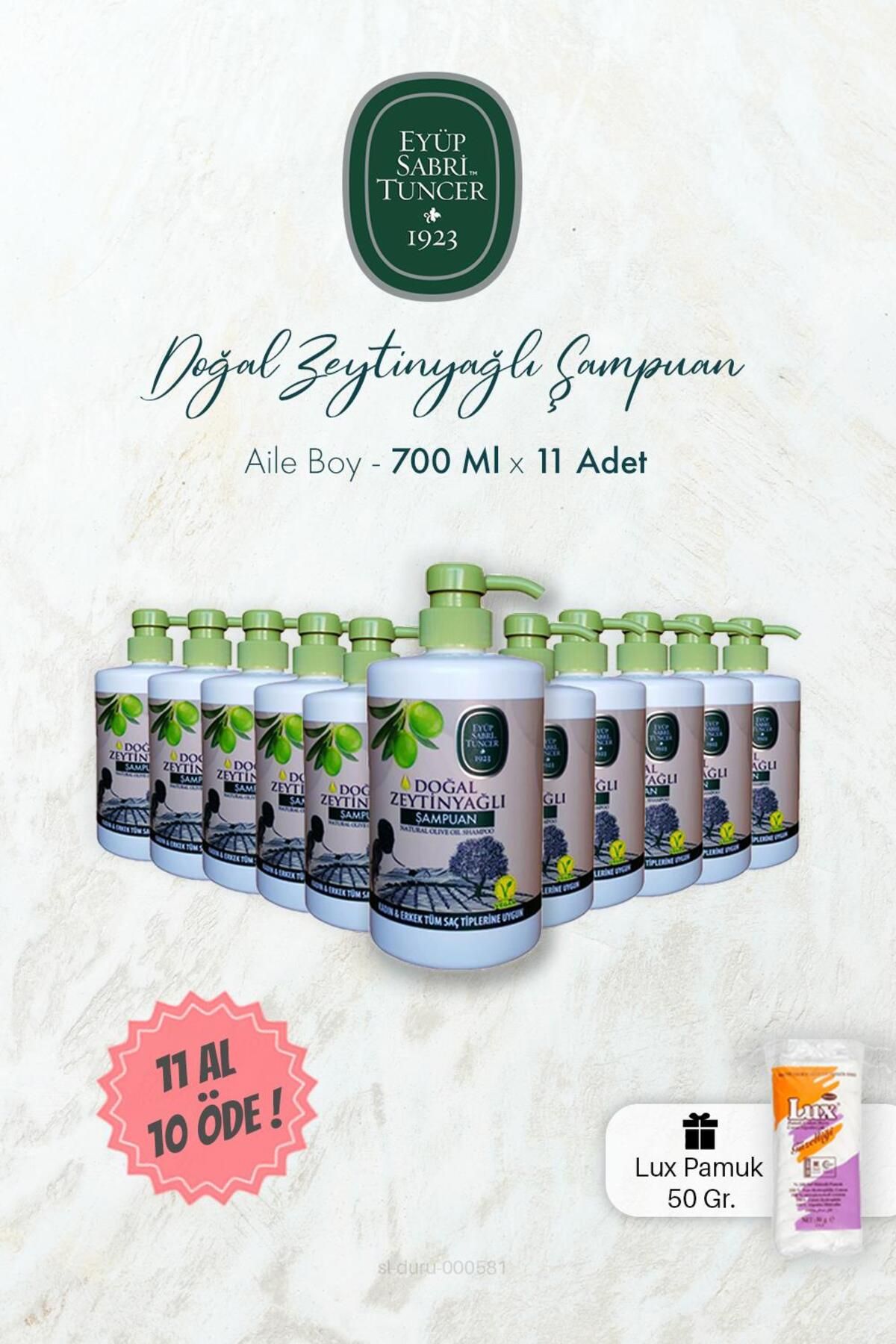
Eyüp Sabri Tuncer Doğal Zeytinyağlı Şampuan

Urban Care Urban Care Brazilian Keratin Düzleştirici Etkili Saç Bakım Şampuanı 350 ml

The Bath Factory The Bath Factory Nemlendirici ve Besleyici Duş Jeli Endless Ocean 400 ml

The Bath Factory The Bath Factory Nemlendirici ve Besleyici Duş Jeli Marvel Rose 400 ml

The Bath Factory The Bath Factory Nemlendirici ve Besleyici Duş Jeli Banana Split 400 ml

Urban Care Urban Care Brazilian Keratin Düzleştirici Etkili Yoğun Saç Bakım Maskesi 230 ml
Morfose Milk Therapy Saç Maskesi 500 ml
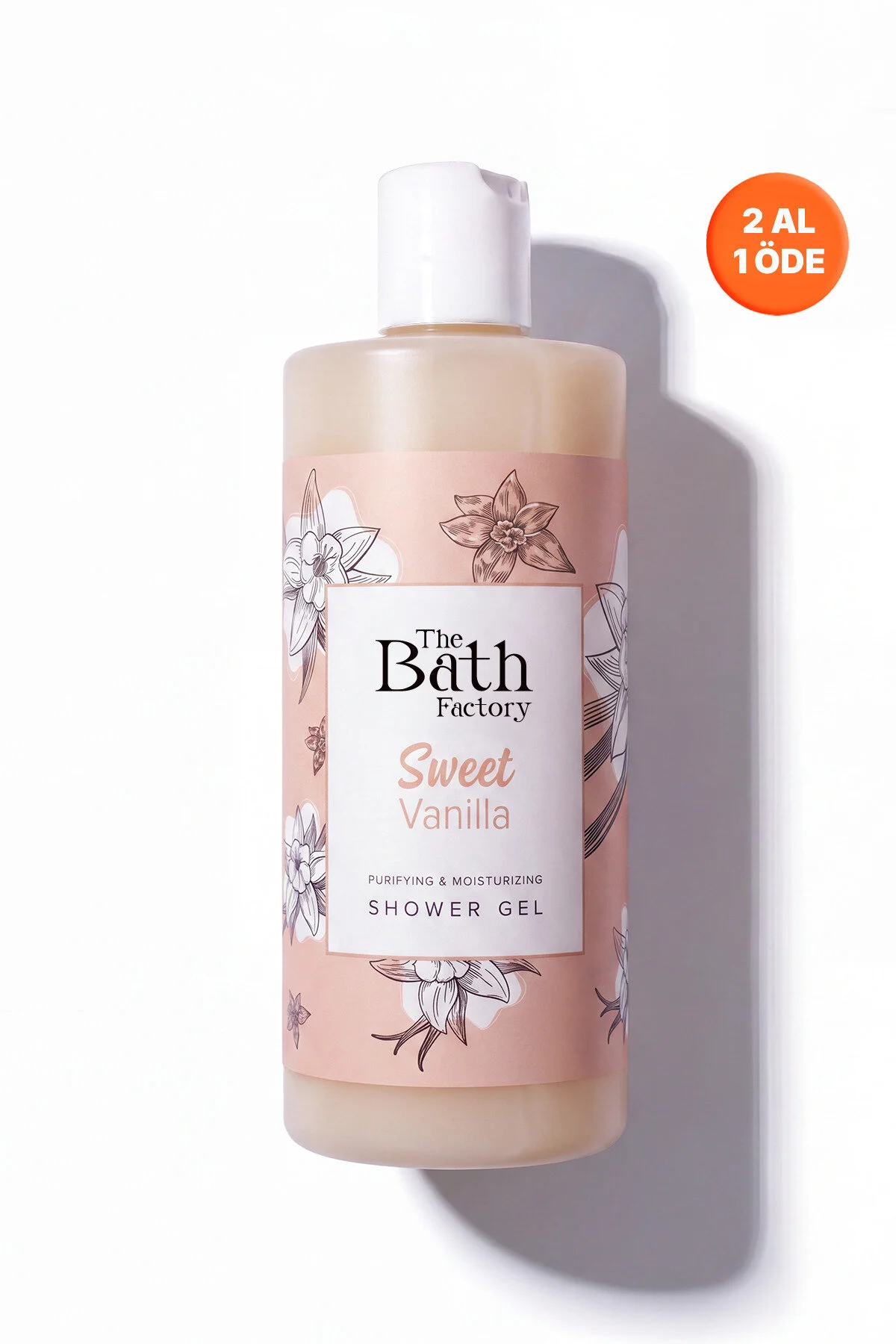
THE BATH FACTORY Nemlendirici ve Besleyici Sweet Vanilla Duş Jeli 400 ml
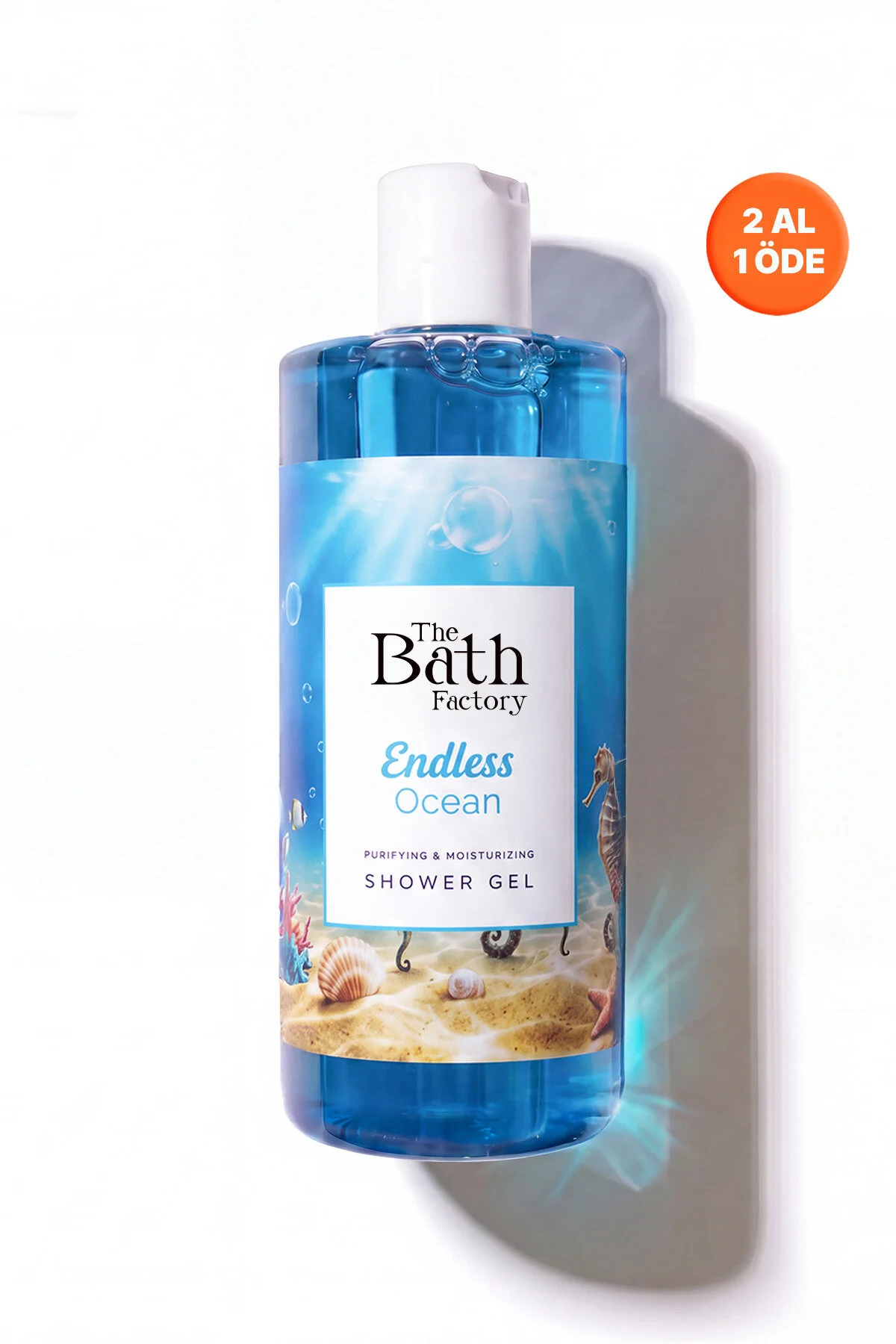
THE BATH FACTORY Nemlendirici Ve Besleyici Endless Ocean Duş Jeli 400 ml
Amande Fruit Basket Karışık Meyve Kokulu Parfümlü Duş Jeli 380 ml | Vegan Formül
Amande Turkish Rose Gül ve Misk Kokulu Parfümlü Duş Jeli 380ml I Vegan Formül
Wella Koleston Naturals 7/1 Kumral Saç Boyası
THE BATH FACTORY Nemlendirici ve Besleyici Gold Aura Duş Jeli 400 ml
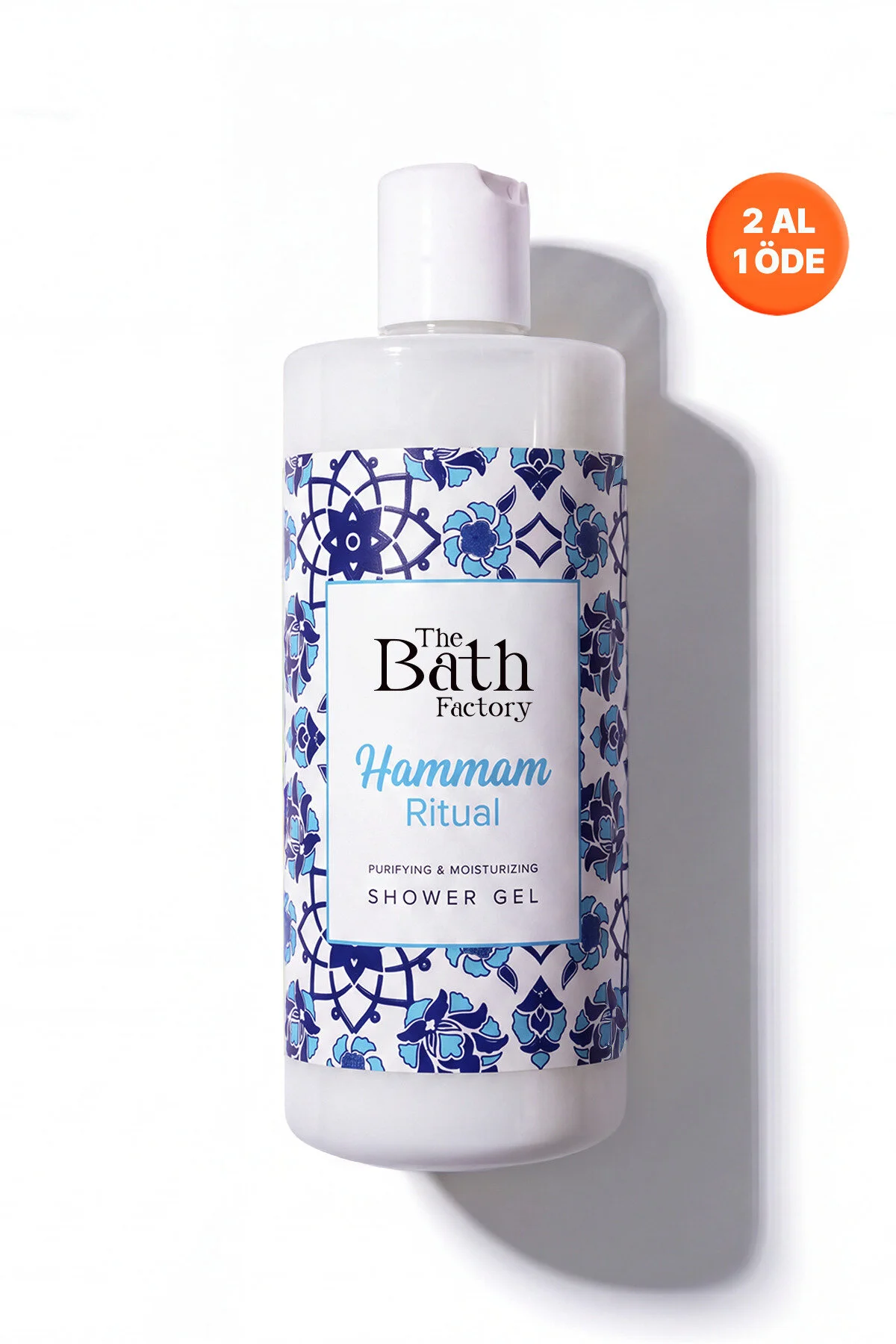
THE BATH FACTORY Nemlendirici ve Besleyici Hammam Ritual Duş Jeli 400 ml
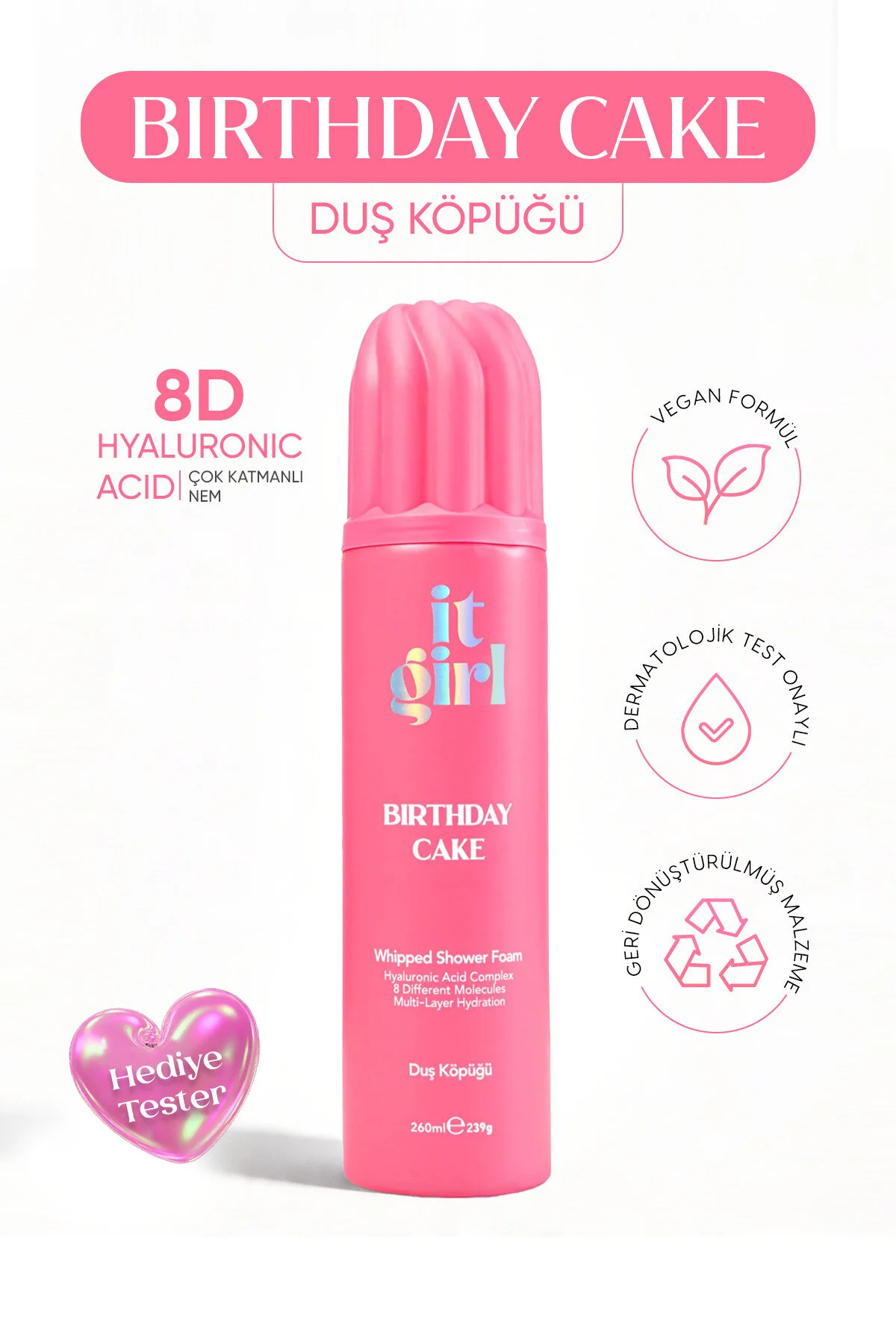
It Girl Birthday Cake Köpük Duş Jeli 260 ML Whipped Shower Foam - Şekerli Çiçek Kokusu
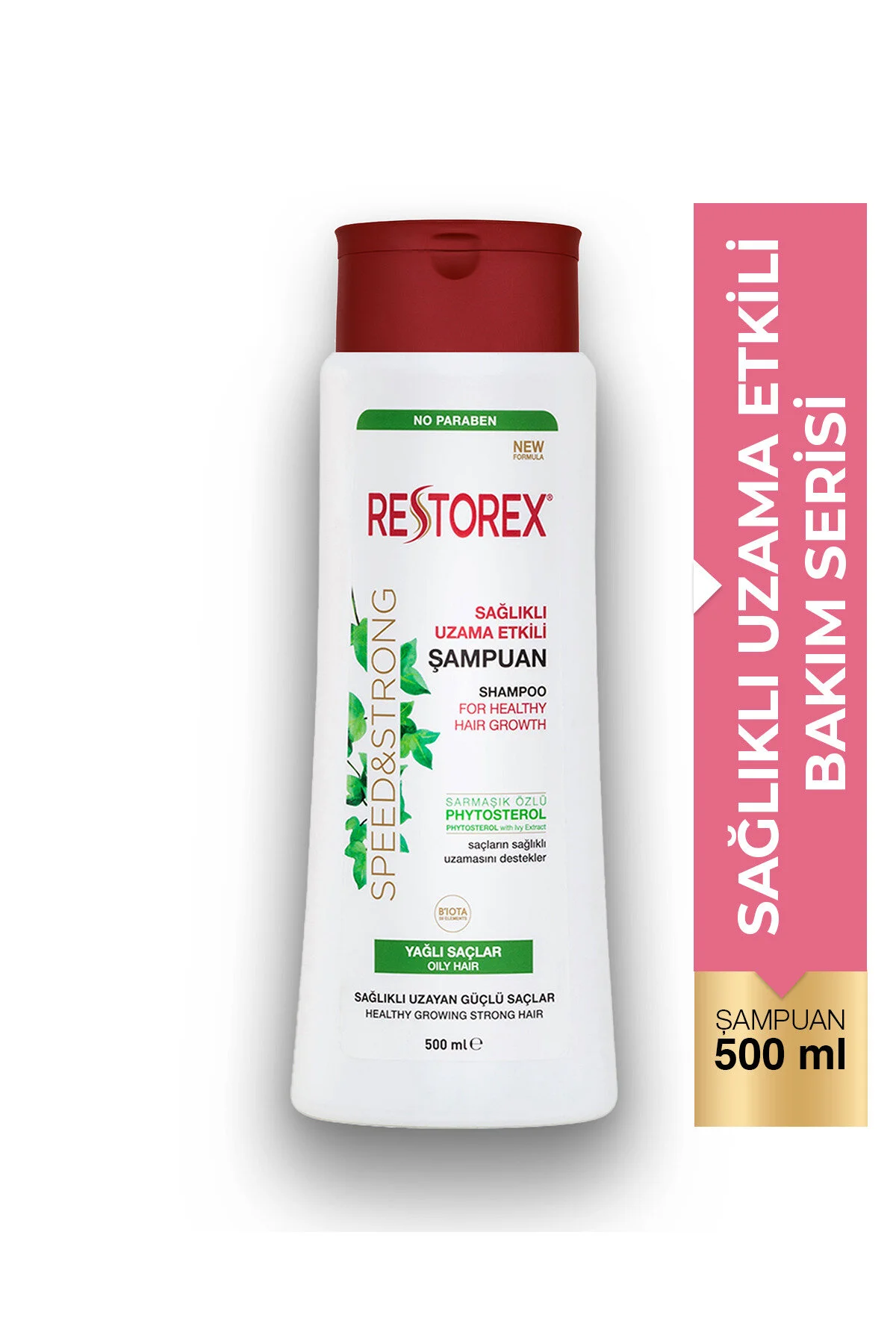
Restorex Şampuan 500 Ml İnce Telli Ve Yağlı Saçlar
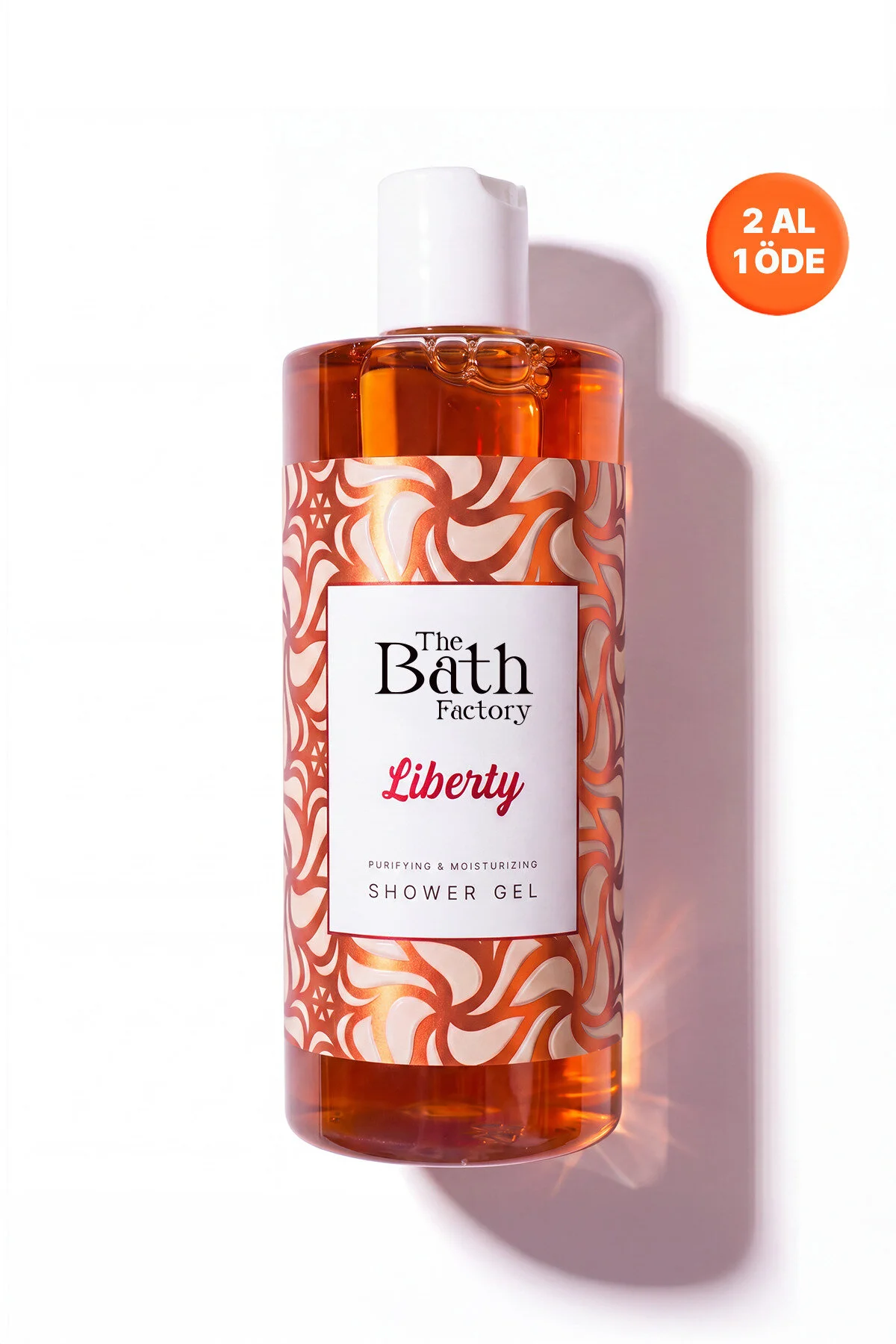
THE BATH FACTORY Nemlendirici Ve Besleyici Liberty Duş Jeli 400 ml
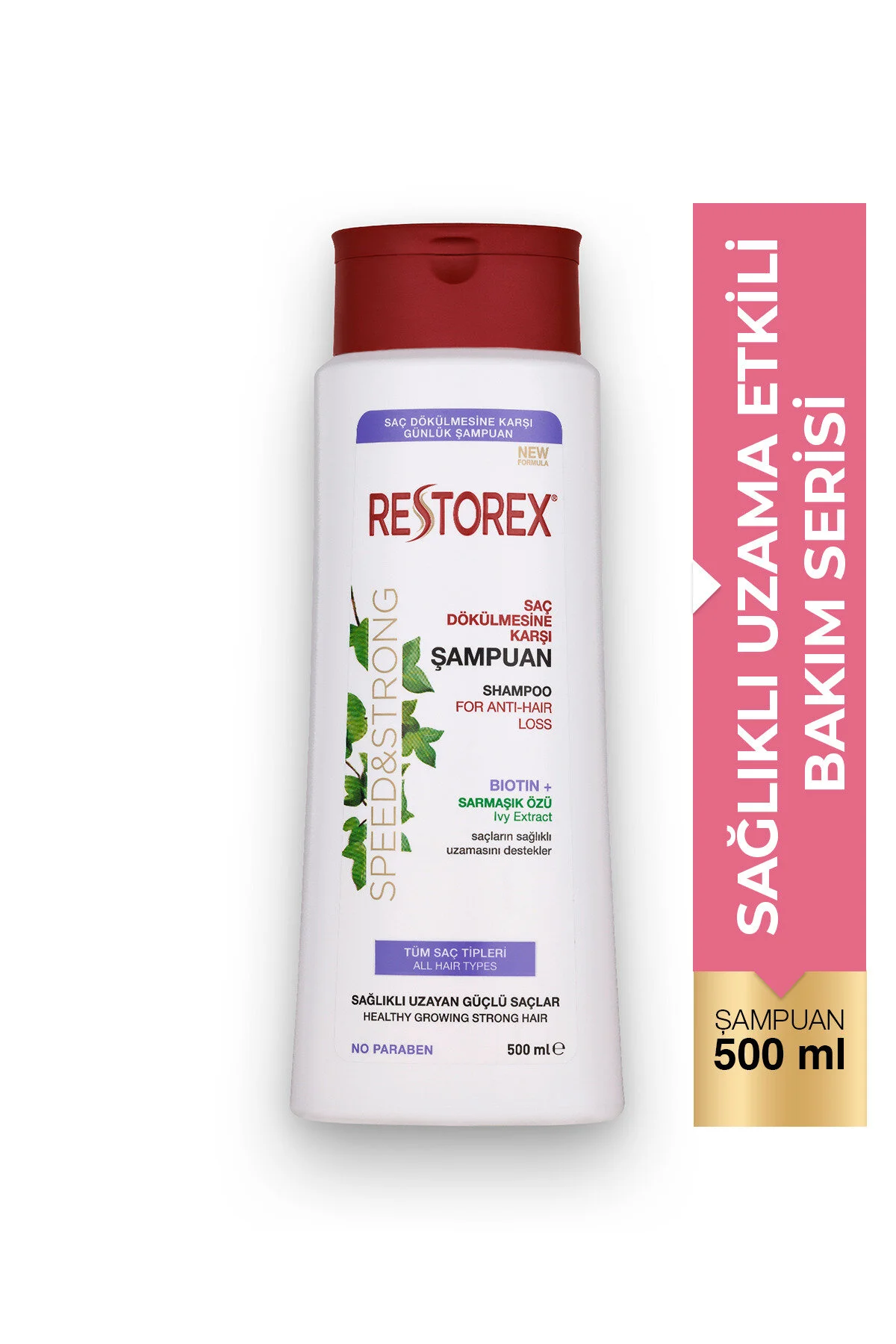
Restorex Speed Strong Saç Dökülmesine Karşı Şampuan 500 ml - Sarmaşık Özlü, Sağlıklı Uzama, Dökülme Karşıtı
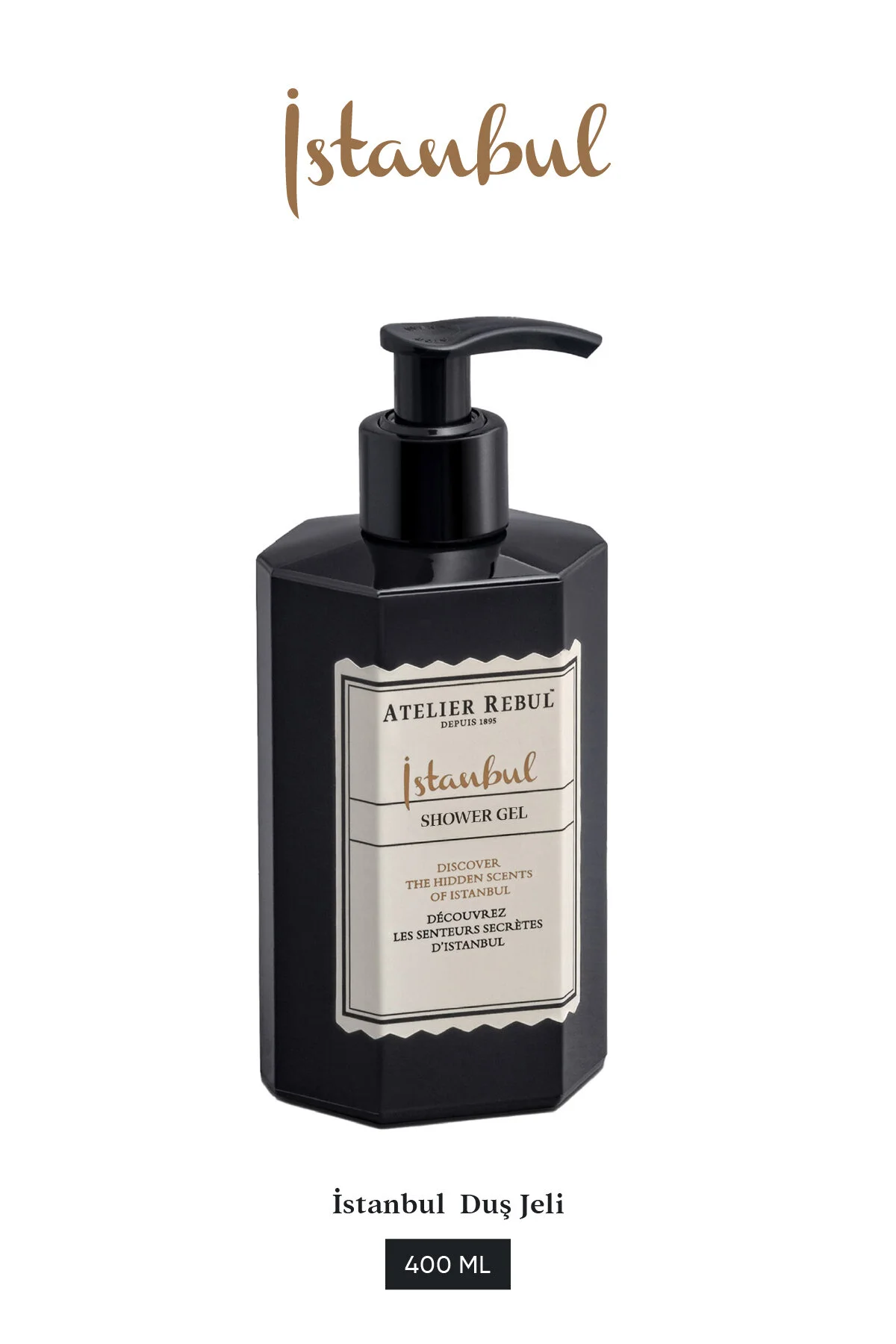
Atelier Rebul İstanbul Odunsu ve Oryantal Duş Jeli 400 ml
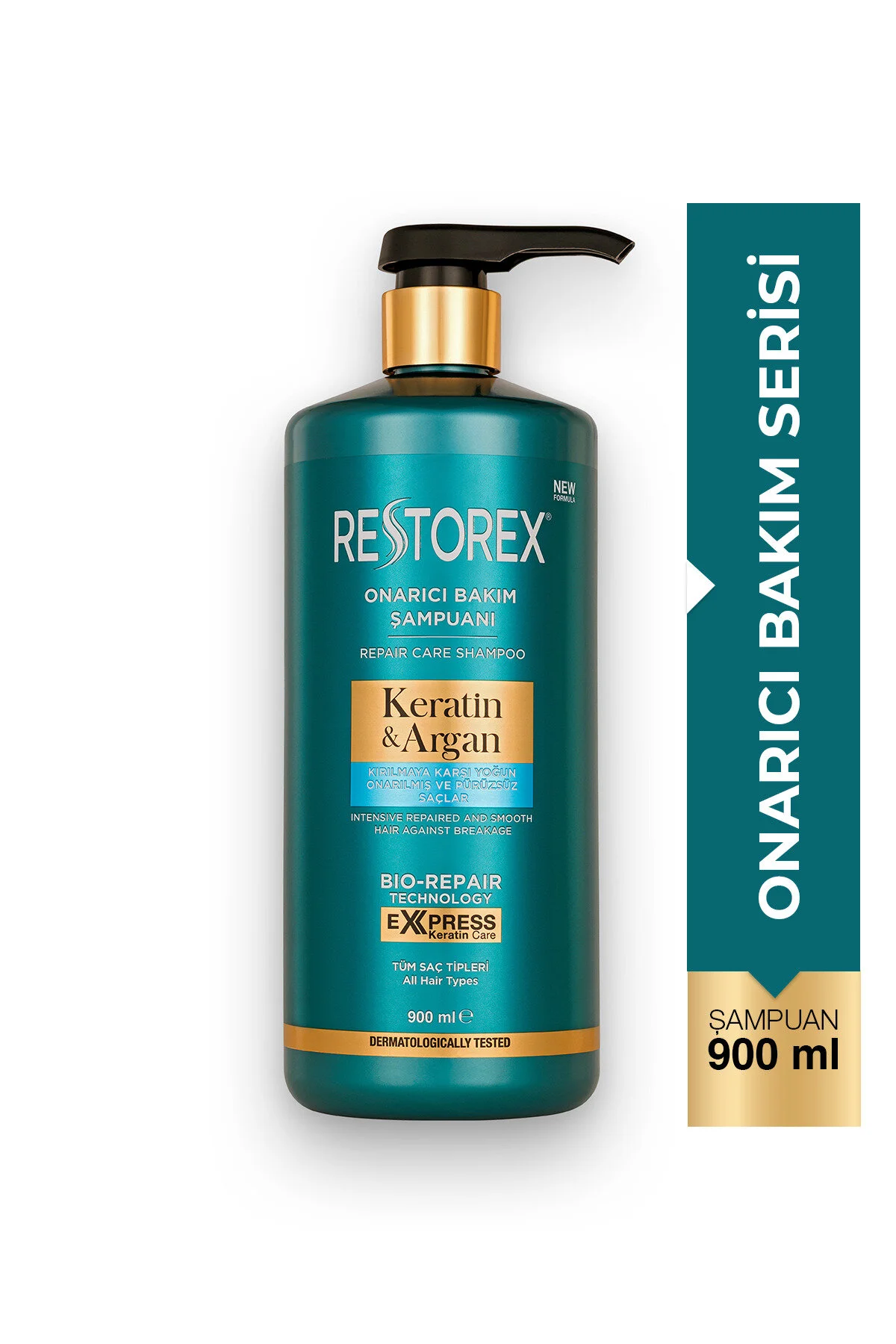
Restorex Keratin & Argan Onarıcı Şampuan 900 ml – Kırılma Karşıtı Güçlendirme
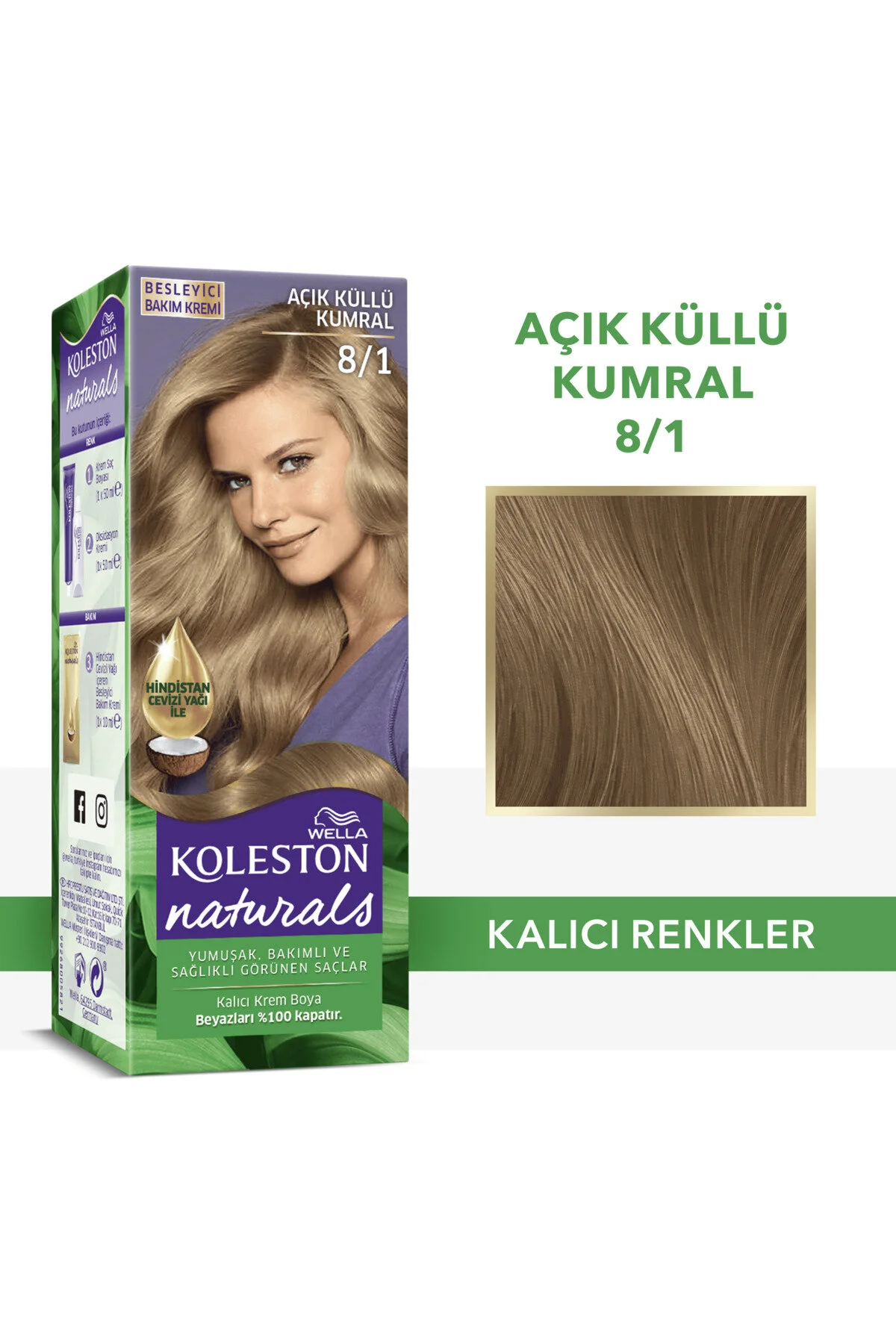
Wella Koleston Naturals 8/1 Açık Küllü Kumral Saç Boyası
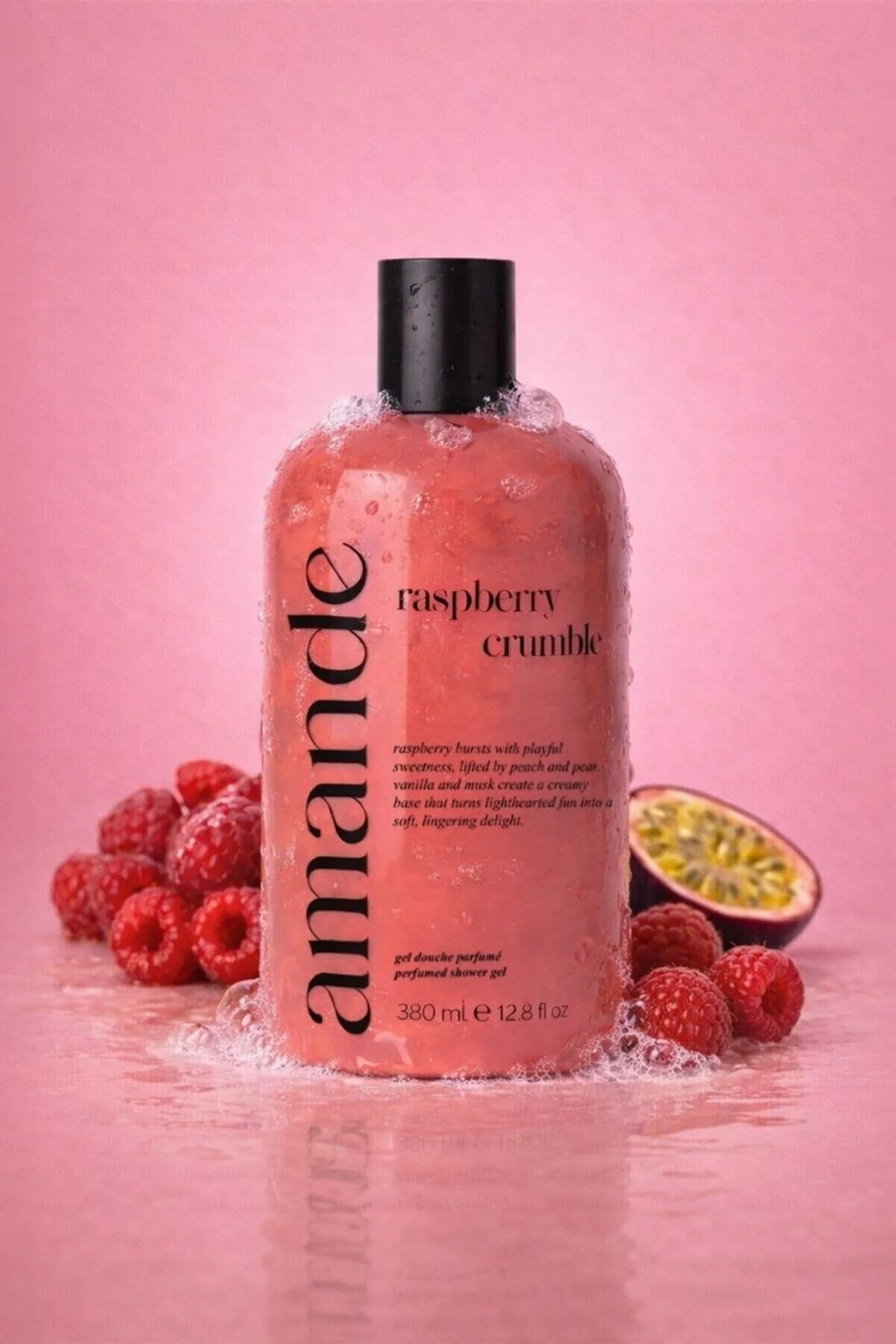
Amande Raspberry Crumble Paçuli ve Ahududu Kokulu Parfümlü Duş Jeli 380 mI Vegan Formül
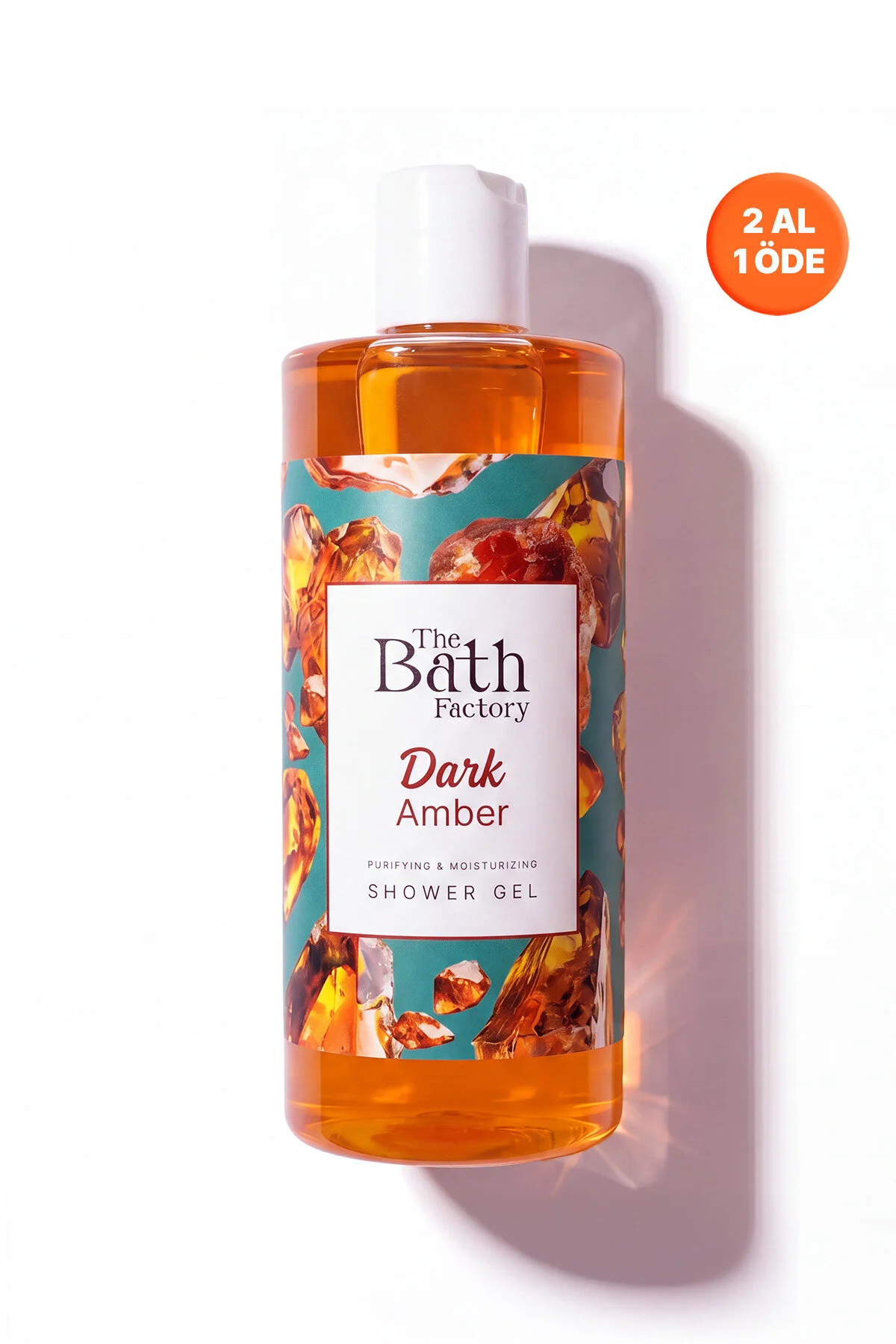
THE BATH FACTORY Nemlendirici ve Besleyici Dark Amber Duş Jeli 400 ml
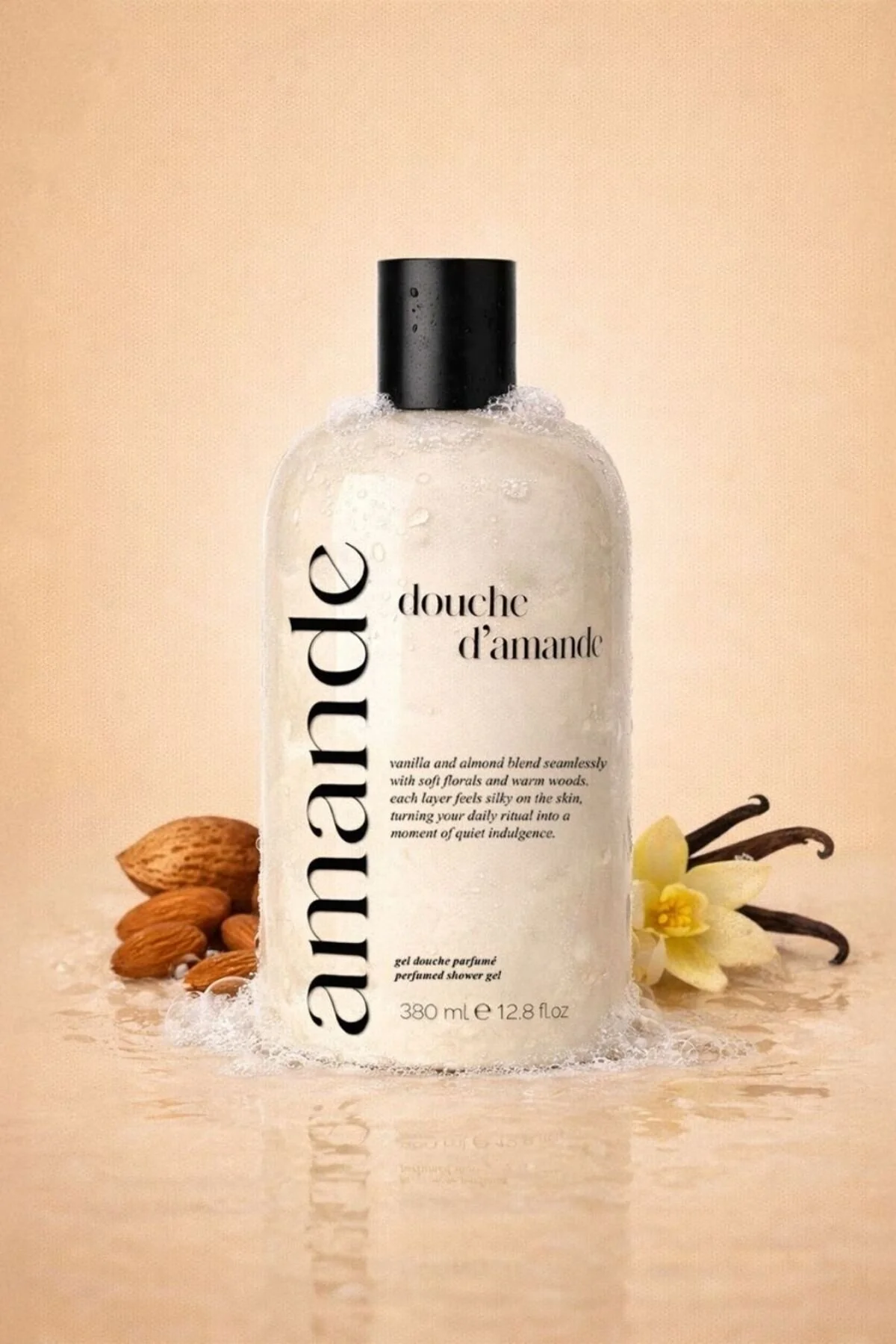
Amande Douche d'Amande Vanilya ve Badem Kokulu Parfümlü Duş Jeli 380ml I Vegan Formül